Vanilla Buttercream Cake: The One Recipe You Actually Need
Vanilla Buttercream Cake: The One Recipe You Actually Need
Contents
Vanilla buttercream cake is one of those desserts that sounds simple until you’re staring at a sunken middle or grainy frosting at 9 PM before a birthday party.
I’ve been there.
The collapsed layers, the buttercream that looked like cottage cheese, the cake so dry it could double as insulation.
But here’s the thing: this cake isn’t hard. It just demands respect for a few non-negotiables.
Let me show you exactly how to make a vanilla buttercream cake that’s moist, fluffy, and covered in frosting so good you’ll eat it with a spoon.
KEY INFO
Prep time: 20 minutes
Cook time: 28 minutes
Cooling time: 1 hour
Total time: 1 hour 48 minutes
Servings: 12 slices
Difficulty level: Intermediate
Dietary tags: Vegetarian
EQUIPMENT NEEDED
- Stand mixer or hand mixer (hand mixer works, your arm will just hate you)
- Two 8-inch or 9-inch round cake pans
- Mixing bowls (2 large)
- Measuring cups and spoons
- Rubber spatula
- Offset spatula for frosting
- Wire cooling rack
- Toothpick
- Parchment paper (optional but smart)
Simple alternatives:
- Regular spatula instead of offset (just messier)
- Hand whisk if no mixer (add 10 minutes and some bicep burn)
INGREDIENTS
For the Cake:
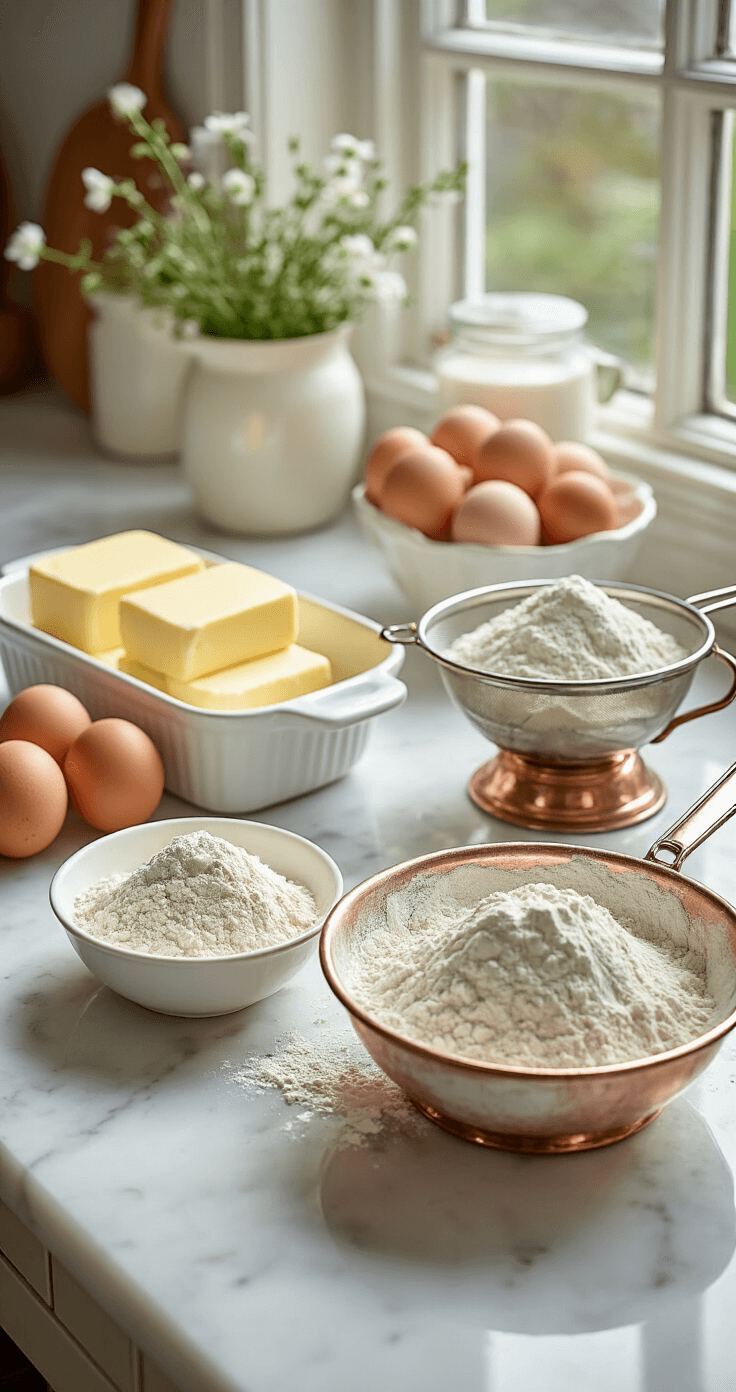
- 1 cup (225g) unsalted butter, softened to room temperature
- 1½ cups (300g) granulated sugar
- 4 large eggs, room temperature
- 2¾ cups (345g) all-purpose flour (or cake flour for lighter texture)
- 1½ teaspoons baking powder
- ½ teaspoon salt
- 1 tablespoon vanilla extract (pure, not imitation—I’ll fight you on this)
- 1 cup (240ml) buttermilk, room temperature (sub: whole milk + 1 tbsp lemon juice)
For the Buttercream:
- 1½ cups (340g) unsalted butter, softened
- 5 cups (600g) powdered sugar, sifted
- 2 teaspoons vanilla extract
- 3-5 tablespoons heavy cream (or whole milk)
- Pinch of salt
METHOD
Make the Cake:
1. Preheat your oven to 350°F (180°C). Grease and flour your cake pans, or line them with parchment paper. This is your insurance policy against cake-pan trauma.
2. Beat the softened butter and sugar together on high speed for 2-3 minutes. You want it pale, fluffy, and almost doubled in volume. This isn’t optional—this is where the air comes from.
3. Scrape down the bowl. Always scrape down the bowl. There’s always butter hiding on the sides.
4. Add eggs one at a time, beating well after each. Wait until each egg is fully mixed before adding the next. This prevents the mixture from splitting and looking like a sad science experiment.
5. Mix in the vanilla extract.
6. In a separate bowl, whisk together flour, baking powder, and salt.
7. Turn mixer to low. Add one-third of the flour mixture. Mix just until you can’t see dry flour.
8. Add half the buttermilk. Mix until combined.
9. Repeat: flour, buttermilk, flour. Always end with flour. Stop mixing the second you don’t see streaks. Overmixing = tough, dense cake.
10. Divide batter evenly between pans. Use a kitchen scale if you’re serious about even layers.
11. Bake for 25-30 minutes until golden and a toothpick comes out clean. Start checking at 25 minutes.
12. Cool in pans for 10 minutes. Turn out onto wire racks. Let cool completely—at least 45 minutes. Frosting warm cake = buttercream soup.
Make the Buttercream:
1. Beat softened butter on medium-high for 3 minutes. It should go from yellow to almost white and look like whipped clouds.
2. Turn mixer to low. Add powdered sugar one cup at a time. If you dump it all at once, you’ll wear a sugar cloud.
3. Once all sugar is added, turn mixer to medium-high. Beat for 2-3 minutes until fluffy.
4. Add vanilla and salt. Mix.
5. Add cream one tablespoon at a time until you get spreadable consistency. Too thick? More cream. Too thin? More powdered sugar.
6. Beat for another minute until silky smooth.
Assemble:
1. If your cakes have domed tops, level them with a serrated knife. Flat layers = stable cake.
2. Place first layer on your serving plate. Pro tip: Put strips of parchment under the edges to keep the plate clean while frosting.
3. Spread about 1 cup of buttercream on top.
4. Add second layer.
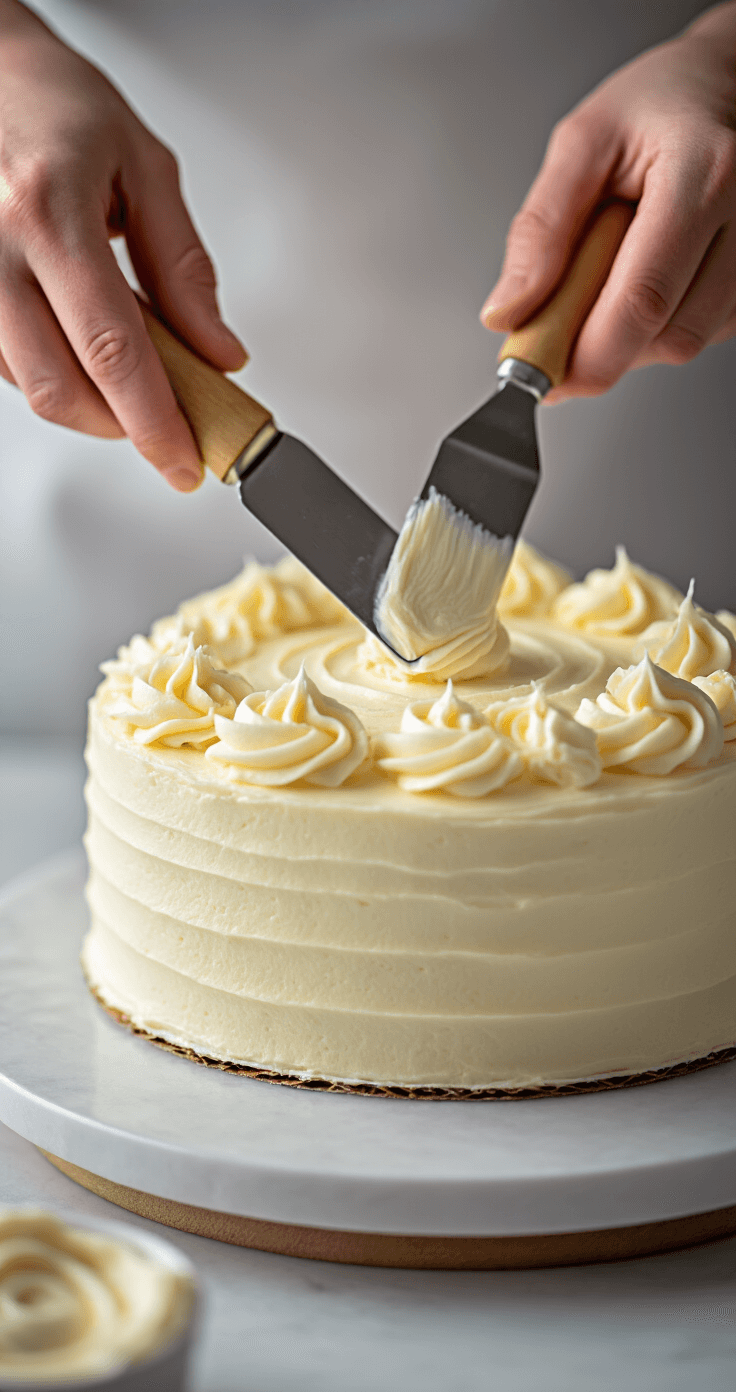
5. Use remaining buttercream to frost top and sides. An offset spatula makes this easier, but any spatula works.
6. Refrigerate for at least 1 hour before slicing. This sets the frosting and makes clean slices possible.
CRUCIAL TIPS
Room temperature ingredients are non-negotiable. Cold eggs and butter don’t emulsify properly. You’ll get a curdled mess instead of smooth batter. Leave everything out for 1-2 hours before starting.
Sift the powdered sugar. Lumpy buttercream is the enemy. Sift it even if the bag says “no lumps.”
Don’t overmix after adding flour. Mix just until combined. Gluten development = tough cake.
Check doneness early. Overbaked vanilla cake is sawdust with frosting. Start checking at 25 minutes.
Let cake cool completely. I know you’re impatient. Wait anyway.
STORAGE & EXTRAS
Storage:
Similar Posts
Popcorn Caramel Birthday Cake: A Showstopping Celebration Dessert
Key InformationContentsKey InformationEssential EquipmentIngredientsChocolate Cake BaseCaramel Popcorn ToppingPreparation SecretsPopcorn PreparationCaramel MagicCake Baking MethodCake Layer InstructionsCaramel Popcorn CreationAssembly TechniqueLayer ConstructionCritical Success FactorsAvoid These MistakesStorage & ServingFlavor…
Dragonfruit Vanilla Wedding Cake: A Tropical Masterpiece for Your Special Day
Quick OverviewContentsQuick OverviewWhy This Cake Is ExtraordinaryEssential Equipment You’ll NeedMust-Have ToolsPro Tip CollectionIngredients BreakdownVanilla Cake BaseDragonfruit MagicButtercream DreamsPreparation MasterclassCake Batter SecretsBaking PrecisionFrosting TechniqueDecoration InspirationGarnish OptionsStorage…
Salted Caramel Chocolate Cake
Creating the Perfect Salted Caramel Chocolate CakeContentsCreating the Perfect Salted Caramel Chocolate CakeIngredients and EquipmentStep-by-Step InstructionsAssembling the Cake Ingredients and Equipment To embark on this…
Elsa Birthday cake
Imagine stepping into a winter wonderland where the air sparkles with magic and every bite brings a little extra joy—that’s the feeling an Elsa birthday…
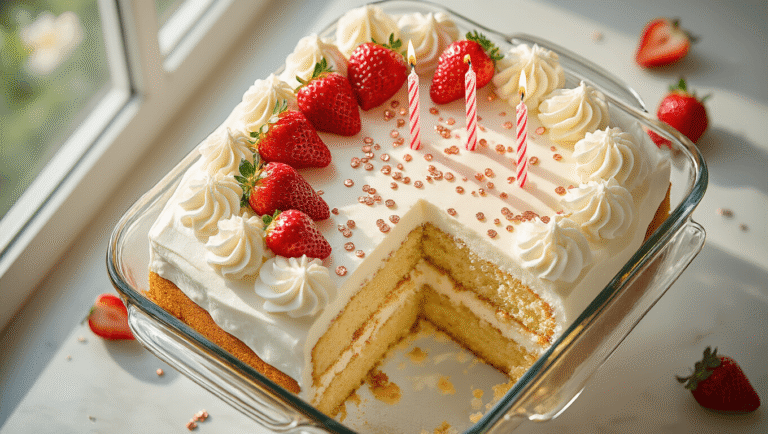
Irresistible Tres Leches Birthday Cake: A Legendary Mexican Dessert
Irresistible Tres Leches Birthday Cake: A Legendary Mexican DessertContentsIrresistible Tres Leches Birthday Cake: A Legendary Mexican DessertQuick OverviewEssential EquipmentWhy This Cake is a Birthday ShowstopperIngredientsPreparation…
SONIC BIRTHDAY CAKE: THE ULTIMATE GAMER’S CELEBRATION DESSERT
Sonic Birthday Cake: The Ultimate Gamer’s Celebration DessertContentsSonic Birthday Cake: The Ultimate Gamer’s Celebration DessertKey Info:Equipment Needed:Ingredients:Cake Layers:Blue Buttercream:Fondant Accents:Preparation Method:1. Cake Batter Prep2. Buttercream…