
Talavera Wedding Decor: Your Complete Guide to Creating an Unforgettable Celebration
What Exactly Is Talavera Wedding Decor (And Why Should You Care)?
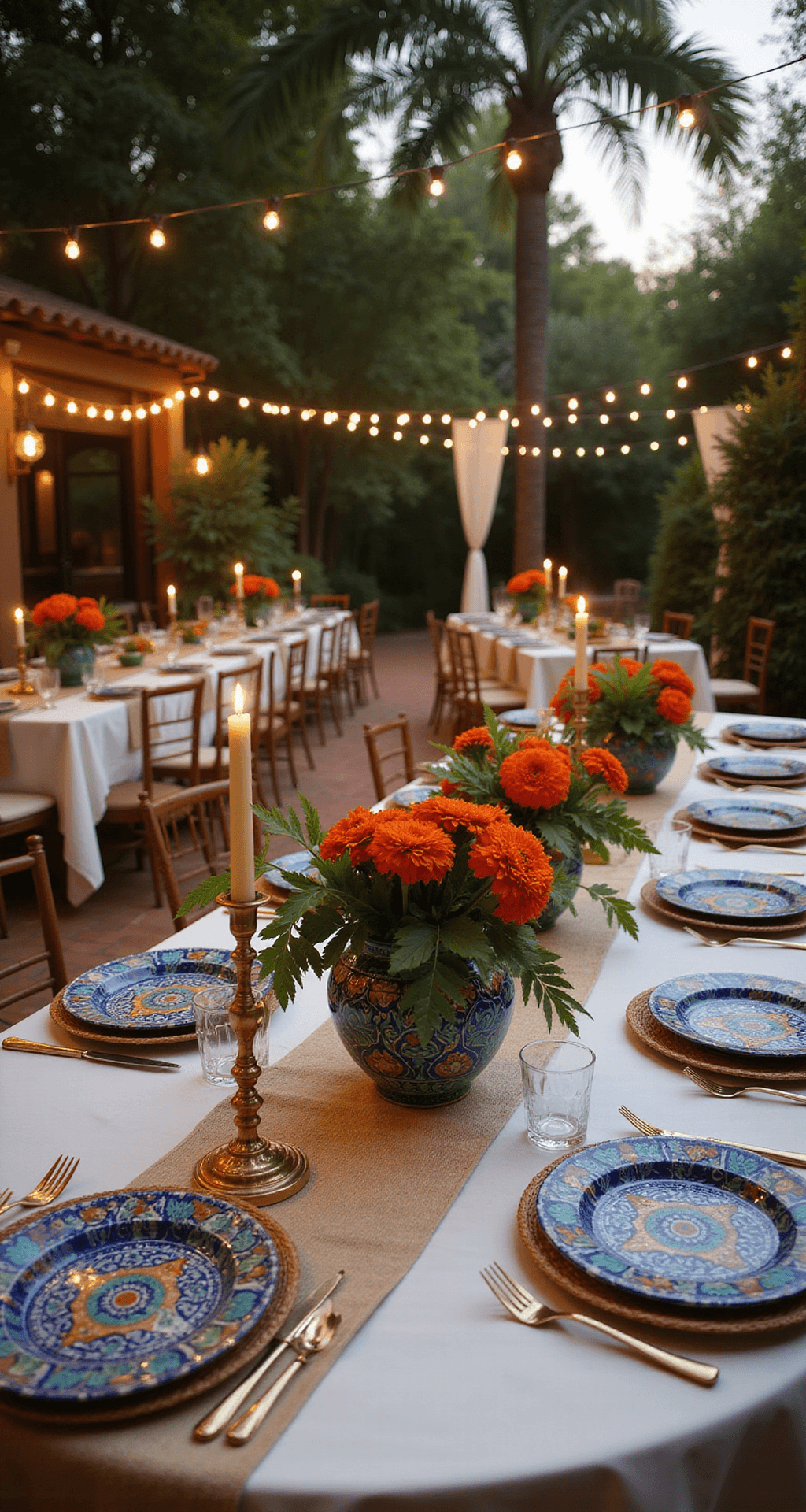
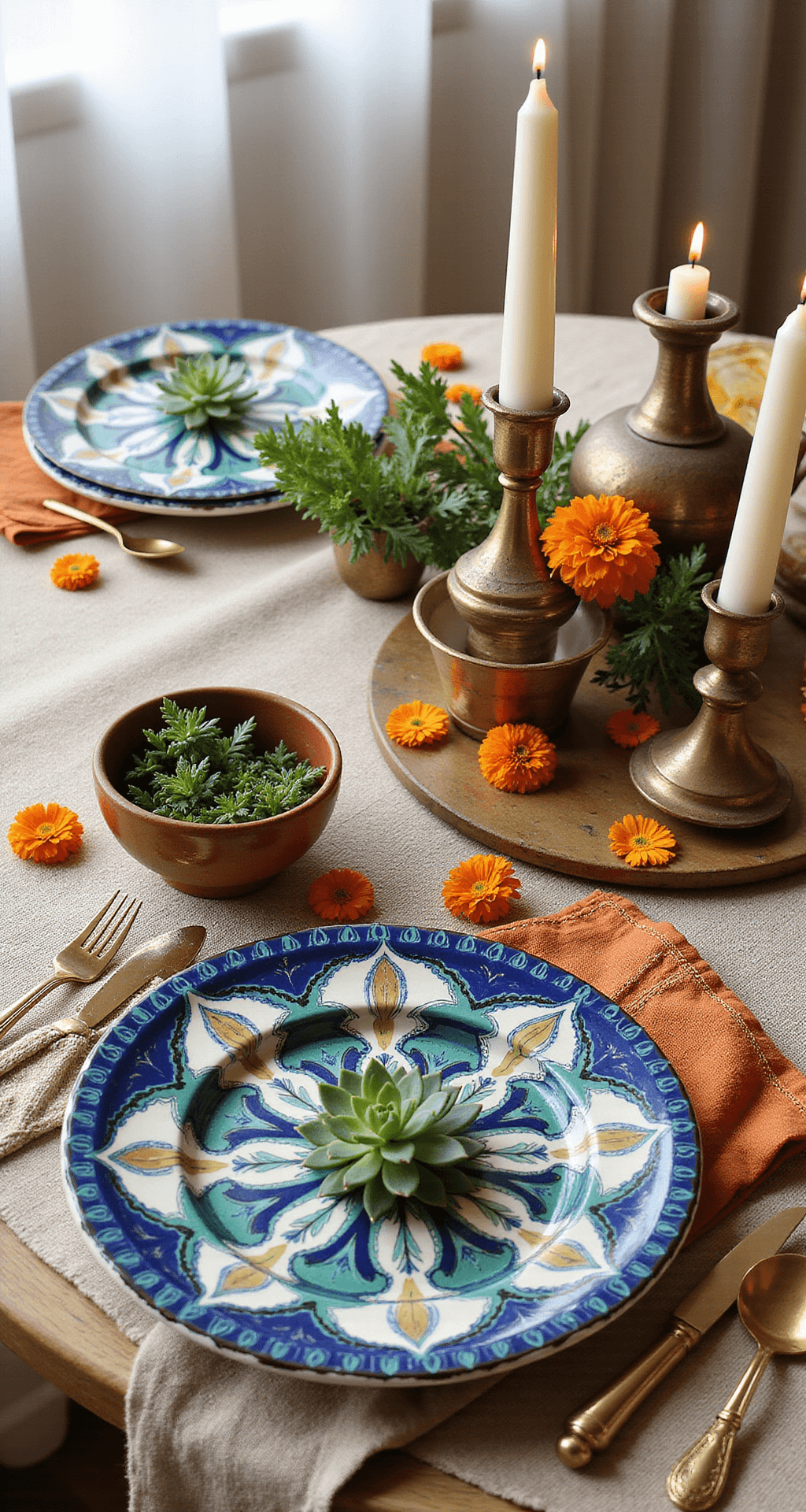
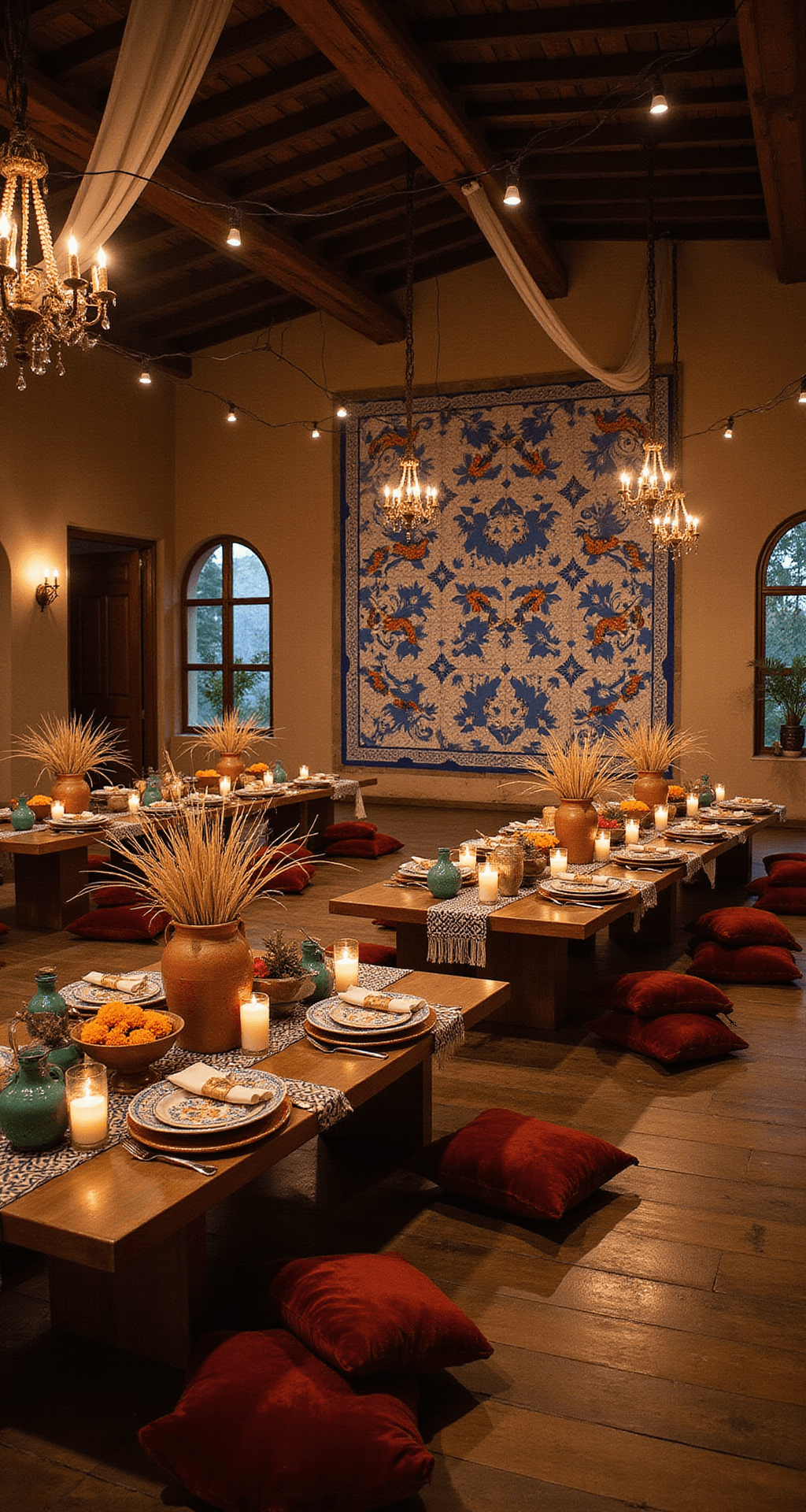
Talavera is a style of beautifully hand-painted ceramic and pottery that comes from Mexico. It’s characterized by bold geometric patterns, vibrant cobalt blues, emerald greens, warm terracotta tones, and intricate folk designs that have been perfected over centuries.
When we’re talking about Talavera wedding decor, we’re talking about using these authentic (or inspired by authentic) pieces to create a celebration that feels culturally grounded, visually striking, and deeply personal.
The magic of Talavera isn’t just in the colors. It’s in the handcrafted quality, the attention to detail, and the way each piece tells a story of Mexican heritage and artisan skill. This isn’t mass-produced stuff. Each genuine Talavera piece carries the fingerprints of the person who made it.
The Real Questions You’re Probably Asking Right Now
Can I actually afford authentic Talavera pieces for my entire wedding?
Yes, but it depends on your guest count and budget flexibility. You don’t need every single item to be genuine handcrafted ceramic. Smart styling means mixing premium Talavera focal pieces with budget-friendly alternatives that capture the same aesthetic.
Will my guests think I’m just decorating with random Mexican pottery?
Only if you don’t style it with intention. Talavera works when you’re intentional about color, pattern mixing, and overall composition. Random doesn’t work for any decor style—Talavera just makes random look extra loud.
Is this style only for people celebrating Mexican heritage?
Absolutely not. Anyone can appreciate beautiful design, bold colors, and the craftsmanship behind Talavera pieces. That said, if you’re celebrating Mexican heritage, Talavera adds cultural authenticity that feels meaningful rather than costume-like.
How do I know if I’m doing this authentically or just appropriating?
The difference comes down to education, respect, and sourcing. Learn the actual history behind Talavera. Buy from Mexican artisans when possible. Treat it as genuine design heritage, not just a trendy look.
The Essential Color Palette (And How to Make It Work Together)
Here’s where most people mess up with Talavera: they get overwhelmed by the colors and try to use all of them. Don’t do that.
Your foundation colors:
- Cream or white linens (your neutral base that lets everything else shine)
- Deep cobalt blue (the signature Talavera color)
- Emerald or forest green (adds richness without competing with blue)
- Terracotta and rust (warm, earthy grounding tones)
Your accent colors:
- Gold or copper metallics (these are essential—they elevate the look from “colorful” to “intentional”)
- Soft ivory or pale yellow (lightens the overall feel)
- Burnt orange or deep red (if you’re doing Cinco de Mayo or fall celebrations)
The secret formula is this: 80% of your palette should be neutral or grounding tones, with 20% reserved for the bold jewel colors that make Talavera pieces pop. If you flip that ratio, your space looks chaotic instead of curated.
Save this article
Enter your email and we'll send it straight to your inbox.
Where to Actually Buy Talavera Pieces (Without Getting Ripped Off)
Authentic Sources:
Handcrafted Talavera ceramics on Etsy directly from Mexican artisans. You’ll pay more, but you’re getting genuine pieces and supporting actual craftspeople. Most sellers will show you their workshop, their process, and the care that goes into each piece.
Budget-Friendly Options:
Talavera paper vases from Walmart come in packs of twelve for around $20. Are they authentic handcrafted ceramics? No. Do they capture the aesthetic for centerpiece filler and can be reused or recycled? Yes.
Mid-Range Sweet Spot:
Ceramic charger plates and placemats on Amazon offer decent quality without the museum-level price tag. You’re getting manufactured items that still look intentional and beautiful.
Specialty Vendors:
Event rental companies in major cities sometimes carry Talavera collections for weddings. This is perfect if you want full installations without buying and storing pieces.
The Color Mixing Game (Because Random Doesn’t Work)
This is the technical part, but I’ll keep it simple because complicated color theory makes everyone’s head hurt.
Talavera pieces often feature multiple patterns and colors in a single tile or vessel. Your job is to make your whole tablescape feel like one intentional design, not like you grabbed whatever looked pretty.
Here’s how:
Step 1: Choose your dominant pattern source
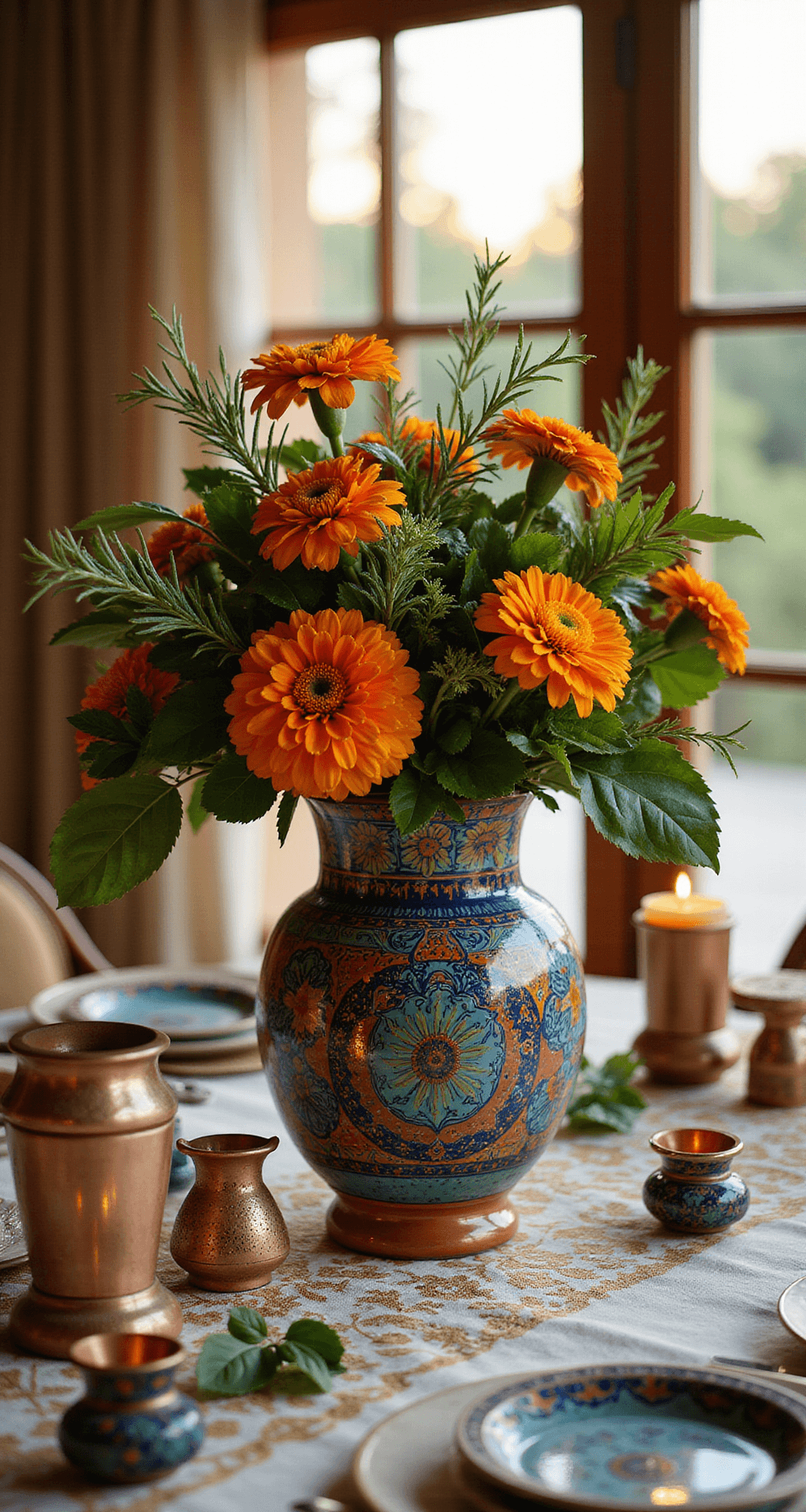
Pick one or two Talavera pieces that you absolutely love. Let’s say you choose a ceramic vase with cobalt blue geometry and terracotta accents.
Step 2: Extract your color palette from that piece
From that vase, you’ve got: cream background, cobalt blue, terracotta, and gold details. These four colors are now your entire palette.
Step 3: Apply these colors to everything else
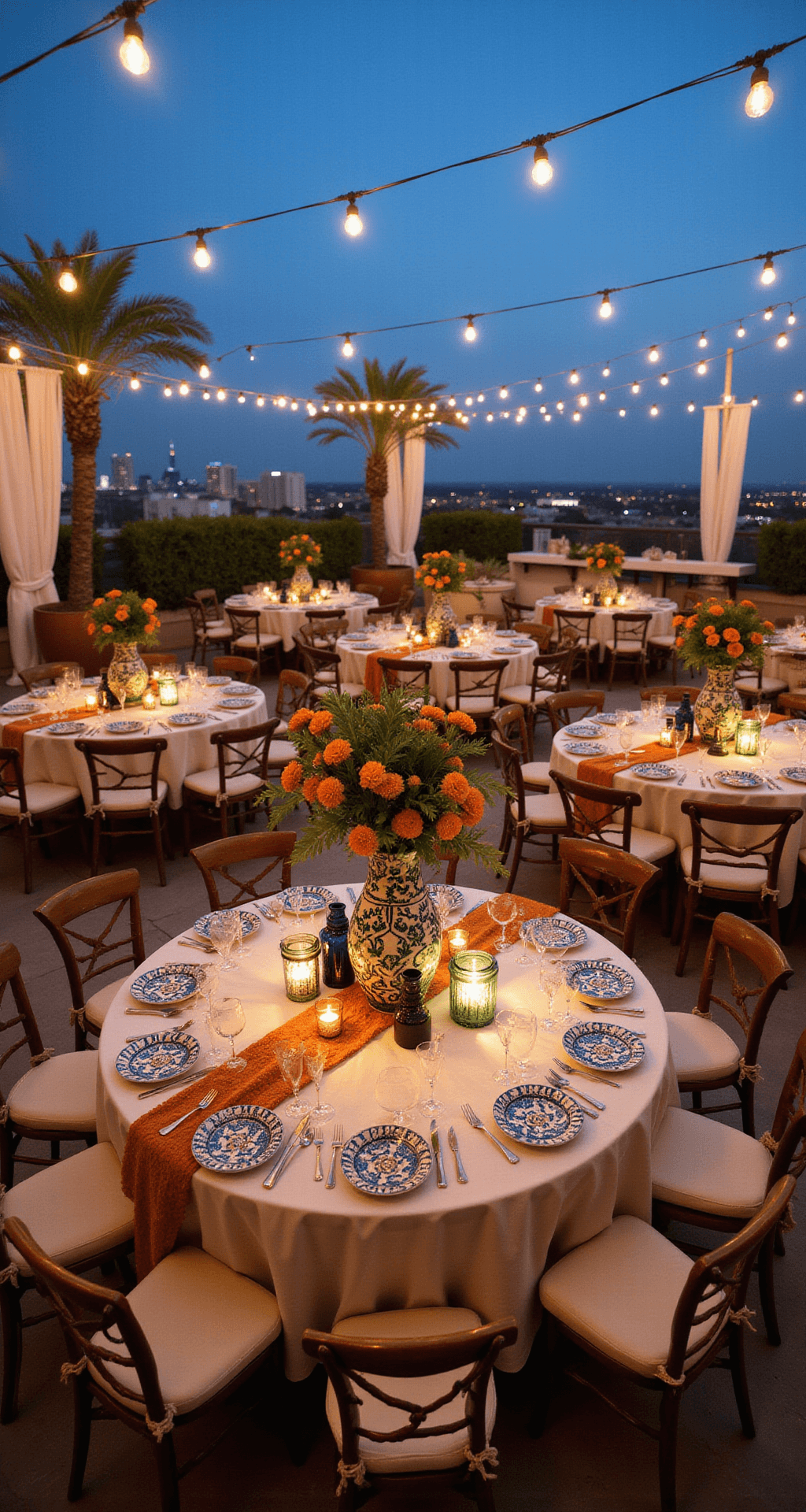
- Linens: cream
- Table runner: embroidered textile featuring cobalt and terracotta
- Candleholders: ceramic with gold accents
- Flowers: marigolds (natural terracotta tones) and green foliage (neutral)
See what happens? Everything feels connected because it’s all pulling from the same color story. You’re not throwing in chartreuse or hot pink just because you liked it on Pinterest.
The Setup Process (Step-by-Step, So You Actually Know What
Want to keep this one?
We'll email you the link so you can find it again later.
Want to keep this one?
We'll email you the link so you can find it again later.