How to Create Romantic Wedding Decor That Actually Makes Your Guests Feel Something
The Foundation of Romantic Wedding Decor: Understanding What Actually Works
Contents
Romantic wedding decor is more than just throwing flowers and candles everywhere. It’s about creating an atmosphere that makes your guests feel like they’ve stepped into a moment that matters. The best romantic weddings I’ve seen share something in common—they use color, light, and texture to tell a story. They make people slow down. They make people feel the weight of the occasion. And they do it without screaming “look how romantic I am” from every corner of the room. The key is restraint mixed with intention.
Color Palettes That Actually Create Romance (Not Just Look Pretty)
Here’s where most couples go wrong with color. They pick colors because they saw them on Instagram, not because those colors actually make a space feel romantic. Let me break down which combinations actually work and why.
Blush and White: The Timeless Starting Point
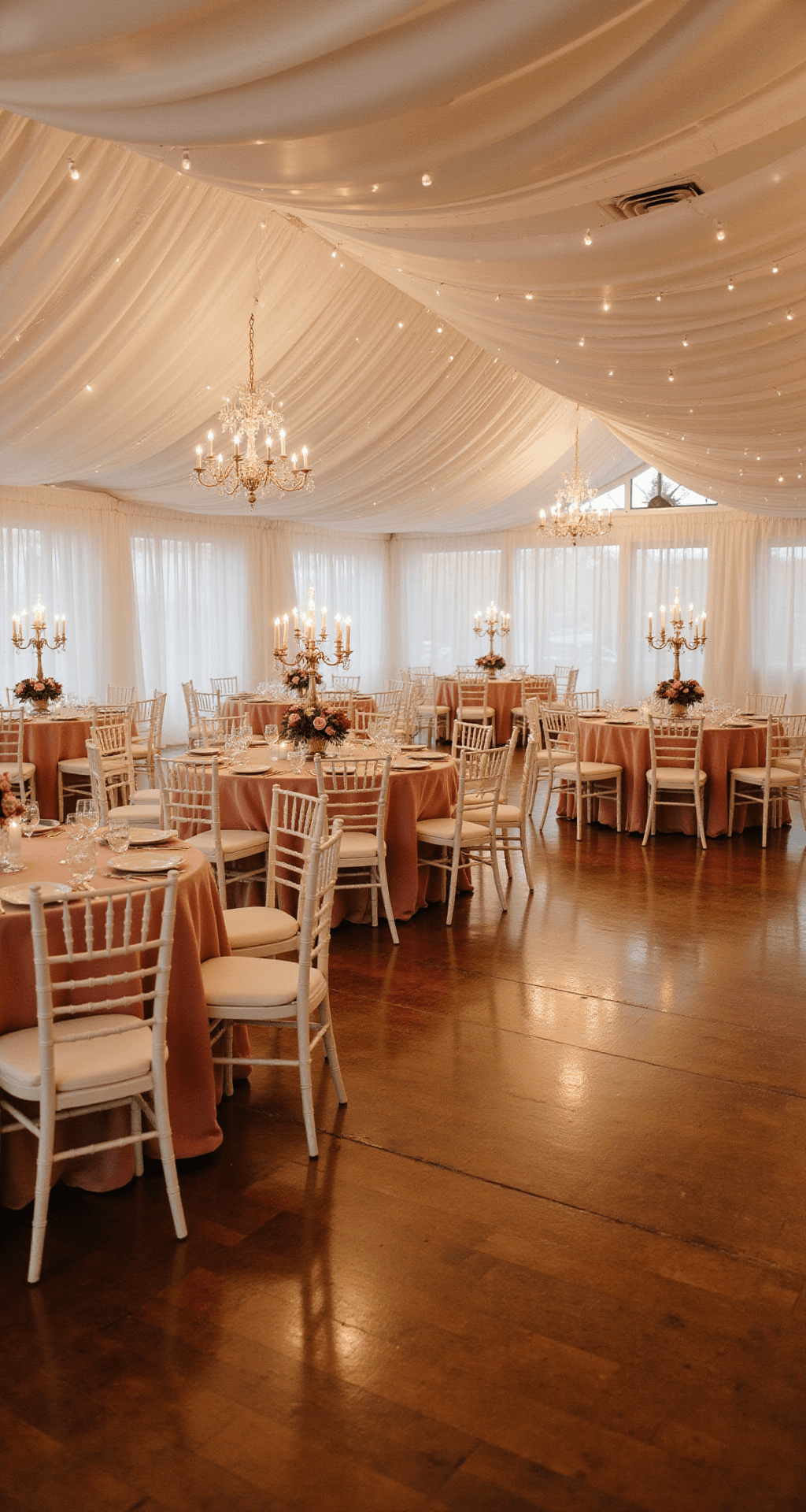
Blush and white is called timeless for a reason. It works because blush isn’t aggressively pink—it’s soft, it’s whispered, it doesn’t demand attention. White gives it breathing room. When you pair these two together, you create an airy feeling that makes a space feel both intimate and expansive at the same time. This combination works for outdoor weddings, indoor venues, summer celebrations, and winter affairs. It’s genuinely forgiving.
Why it works: Blush reads as romantic without being childish or overdone. White amplifies whatever else you add to the space—flowers, lighting, textures.
Lavender and Purple: The Ombre Romance
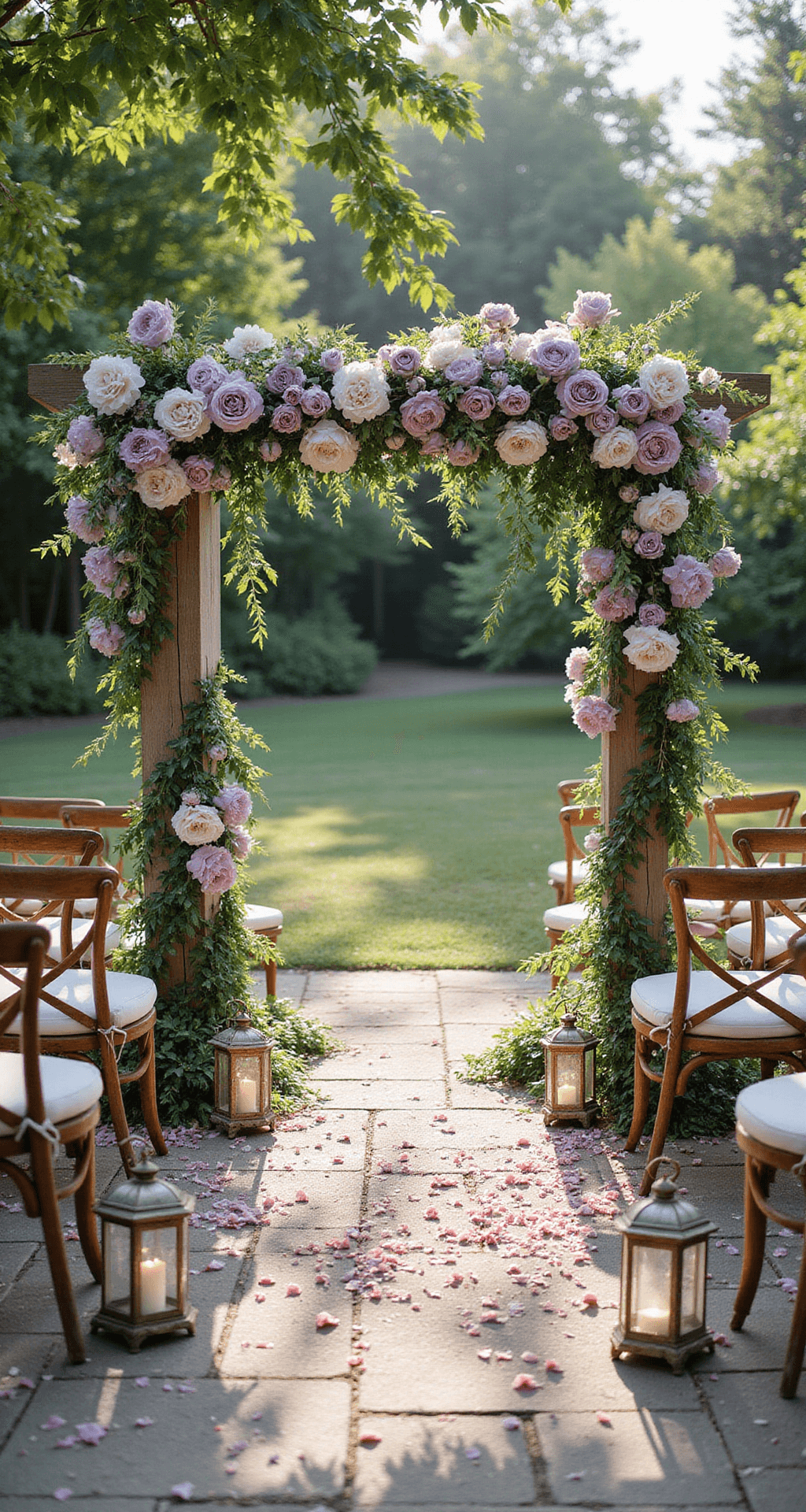
Lavender with dusty and dark purple is my favorite combo for couples who want something more intentional than blush and white. The effect is an ombre that feels almost ethereal. Light lavender floats at eye level, gradually deepening into rich purple at lower points or on accent pieces. This creates visual depth and sophistication.
Why it works: Your brain recognizes this as a gradient, which feels purposeful and designer-level. It also photographs beautifully, which matters more than it should but absolutely does.
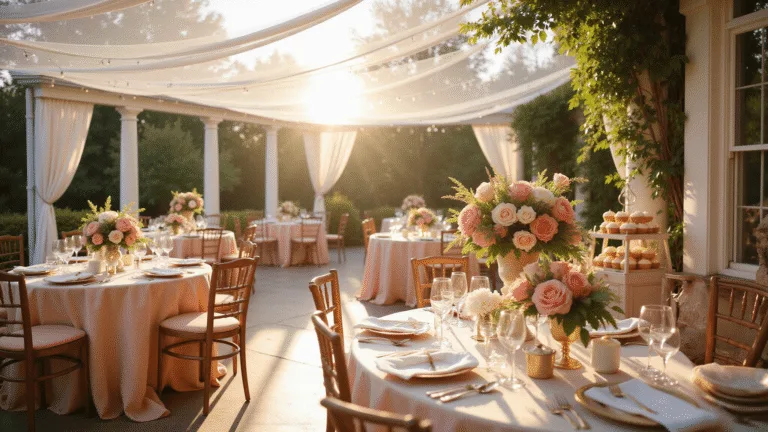
Pink and Peach: For Couples Who Want to Feel Modern
Pink and peach is playful without being saccharine. It’s romantic but not traditional. This pairing works brilliantly if you’re younger, if your venue is modern, or if you want people to know you’re not doing a predictable wedding.
Why it works: These colors together feel fresh and current, not like you borrowed your aesthetic from 2015. They work especially well in bouquets and as accent colors throughout the space.
Pink and Ivory with Metallic Accents: Adding Sophistication
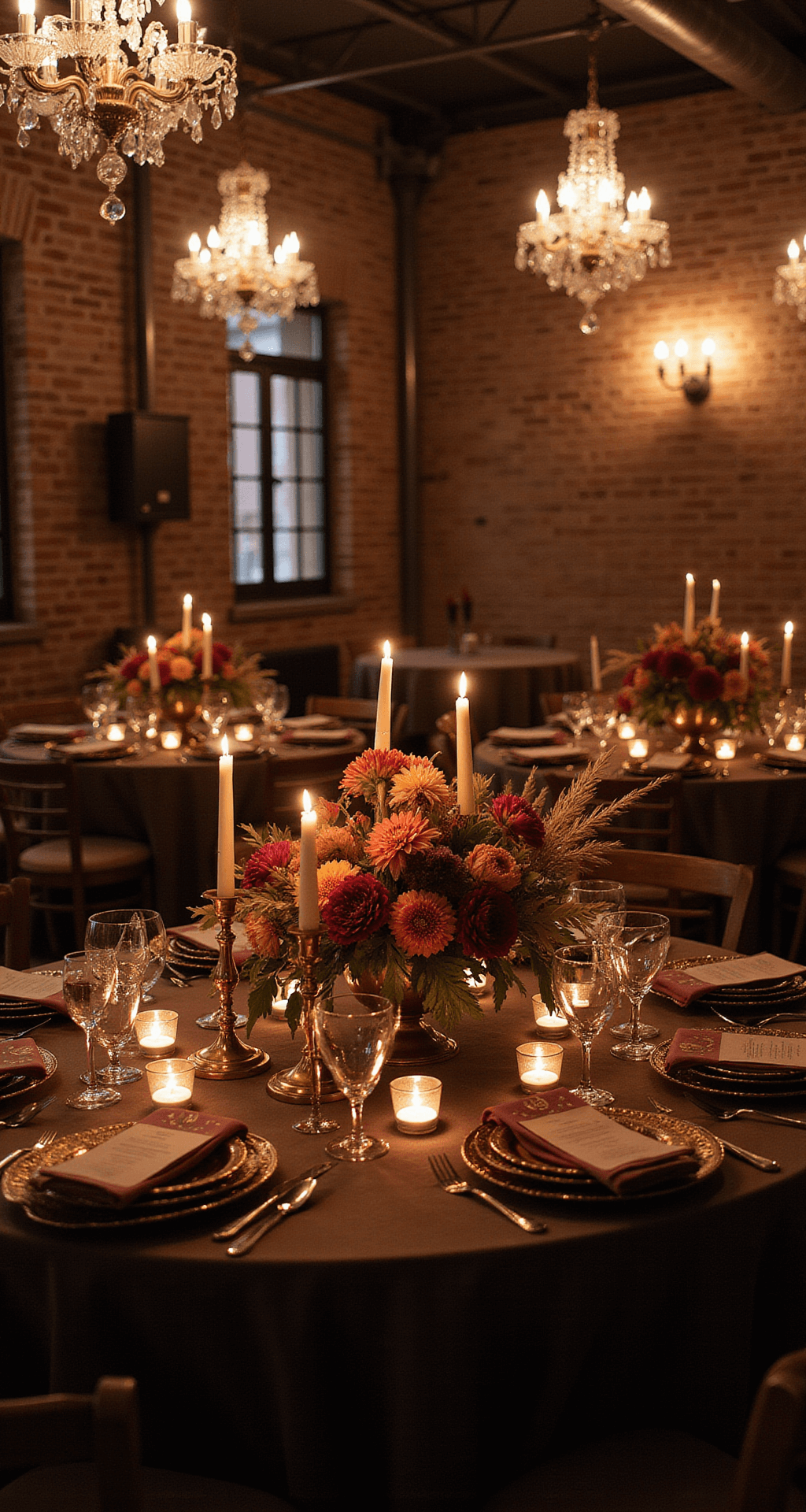
Here’s where most couples miss the mark. They add gold or silver, but they do it randomly—a gold charger here, a silver candle there. That’s not elegant, that’s confused. When you intentionally layer metallics throughout—gold in the lighting, silver in the place settings, both woven through your floral arrangements—the whole space suddenly feels elevated.
Why it works: Metallics catch light and reflection, which multiplies the effect of your other romantic elements. A single gold candlestick is nice. Twelve of them, used strategically, is magic.
Black and Red: Romance with an Edge
Black and red sounds dramatic, and it is, but hear me out. This palette is for couples who think traditional romance is boring. You’re not wrong. Black and red creates a moody, almost gothic romance that feels intentional and distinctive. This works for evening weddings, indoor venues with good lighting control, and couples with darker aesthetics.
Why it works: Most people play it safe with wedding colors. Black and red signals that you know what you want and you’re not afraid to own it.
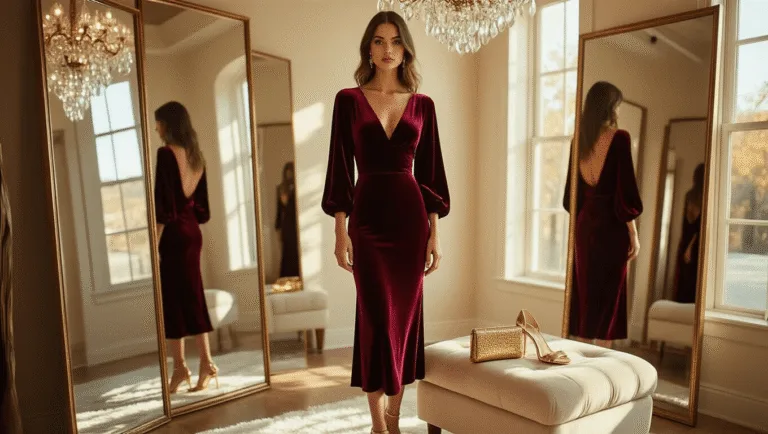
Fall Hues: Rust, Terracotta, Mustard, and Deep Plum
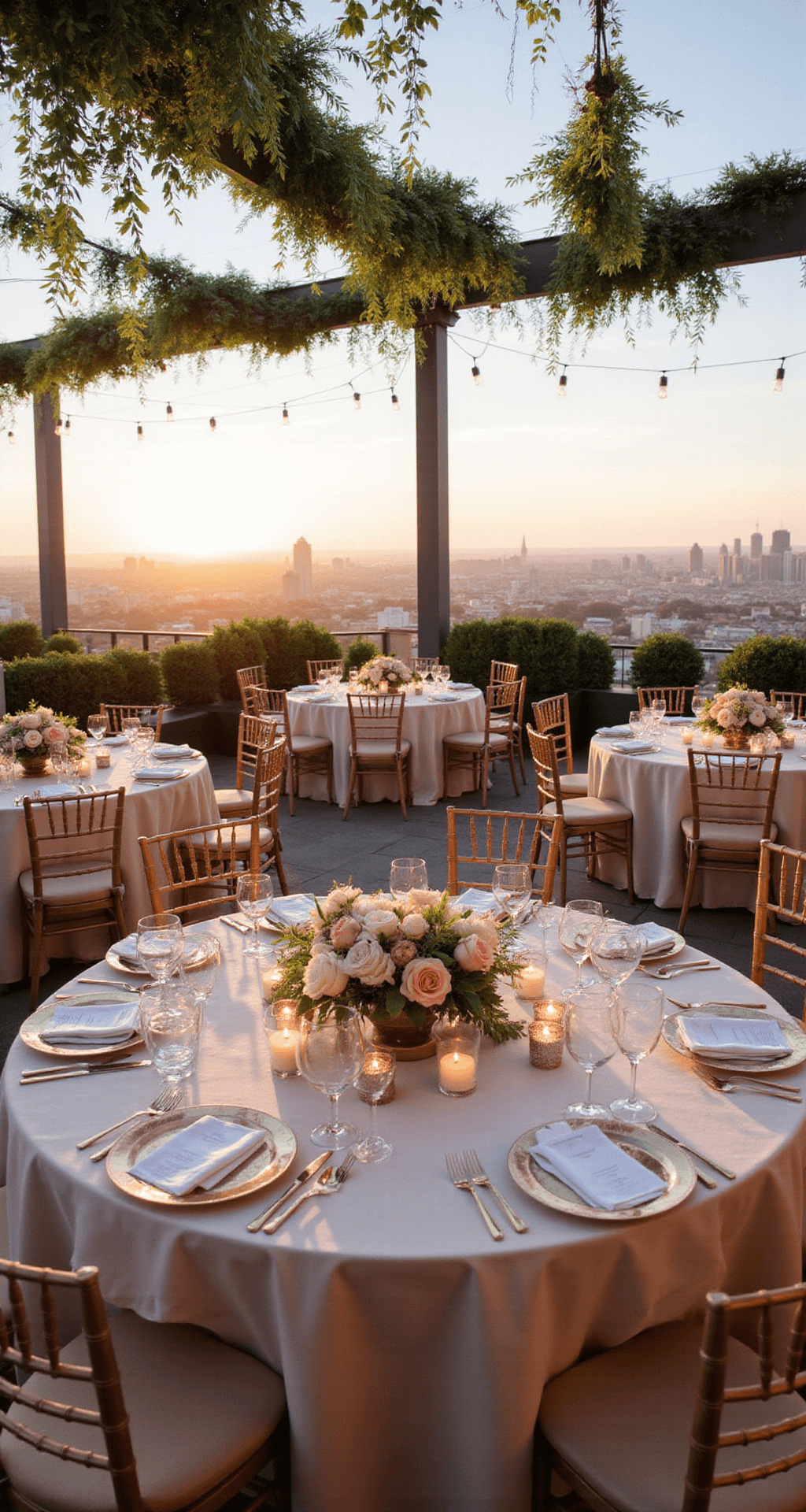
If you’re getting married in autumn, or if you’re drawn to warmer tones, this palette is where you belong. Rust and terracotta feel earthy and grounded. Mustard and olive add visual interest without clashing. Deep plum ties it all together.
Why it works: These colors feel warm and intimate by their nature. They don’t need as much help creating coziness because warmth is built into the hues themselves.
Lighting: The Element That Changes Everything
Here’s something I learned the hard way. You can have the most beautiful floral arrangements in the world, but if your lighting is wrong, nobody feels anything. Lighting is the difference between a wedding that feels romantic and one that feels like a hospital cafeteria. I’m not exaggerating.
The Problem with Standard Venue Lighting
Most venues come with overhead lighting that’s bright, clinical, and completely incompatible with romance. It’s fine for brunch or a business conference. It’s terrible for creating emotion. The first thing you need to do is address this baseline issue. You need to dim or turn off overhead lights completely and build your lighting from scratch using warmer sources.
String Lights and Fairy Lights: The Workhorses of Romantic Lighting
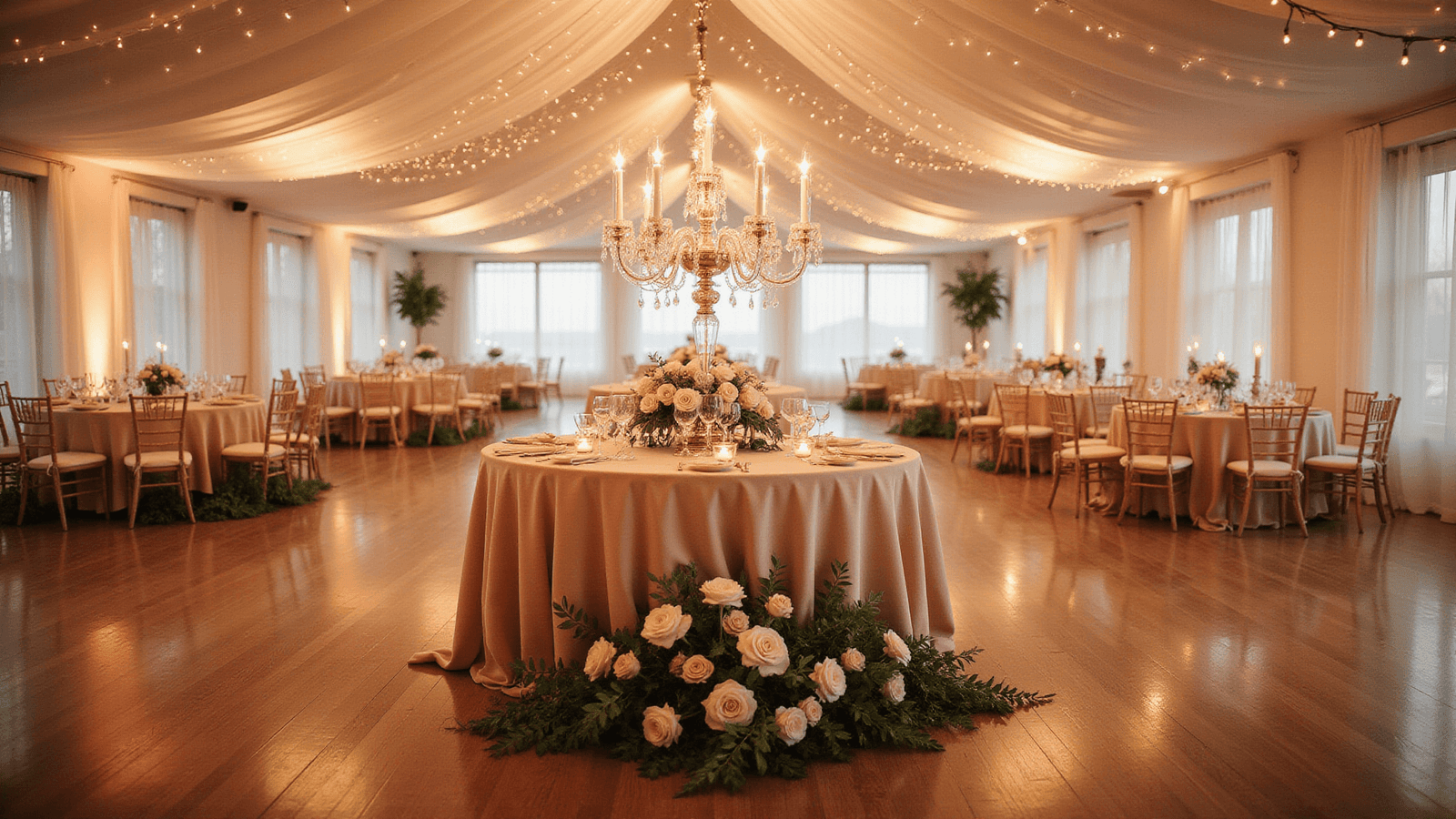
String lights are the foundation of any romantic space. They create small pools of warm light that feel intimate and magical. String lights for outdoor weddings should be your first purchase. Hang them overhead in a pattern that feels intentional—not haphazardly strung across the space like you ran out of energy halfway through. Fairy lights are smaller, more delicate, and they work brilliantly woven through centerpieces, draped along walls, or threaded through hanging greenery.
Where to use them:
- Overhead in your reception space
- Wrapped around pillars or trees
- Woven through floral installations
- Along the ceremony aisle
- In corners that might otherwise feel dark
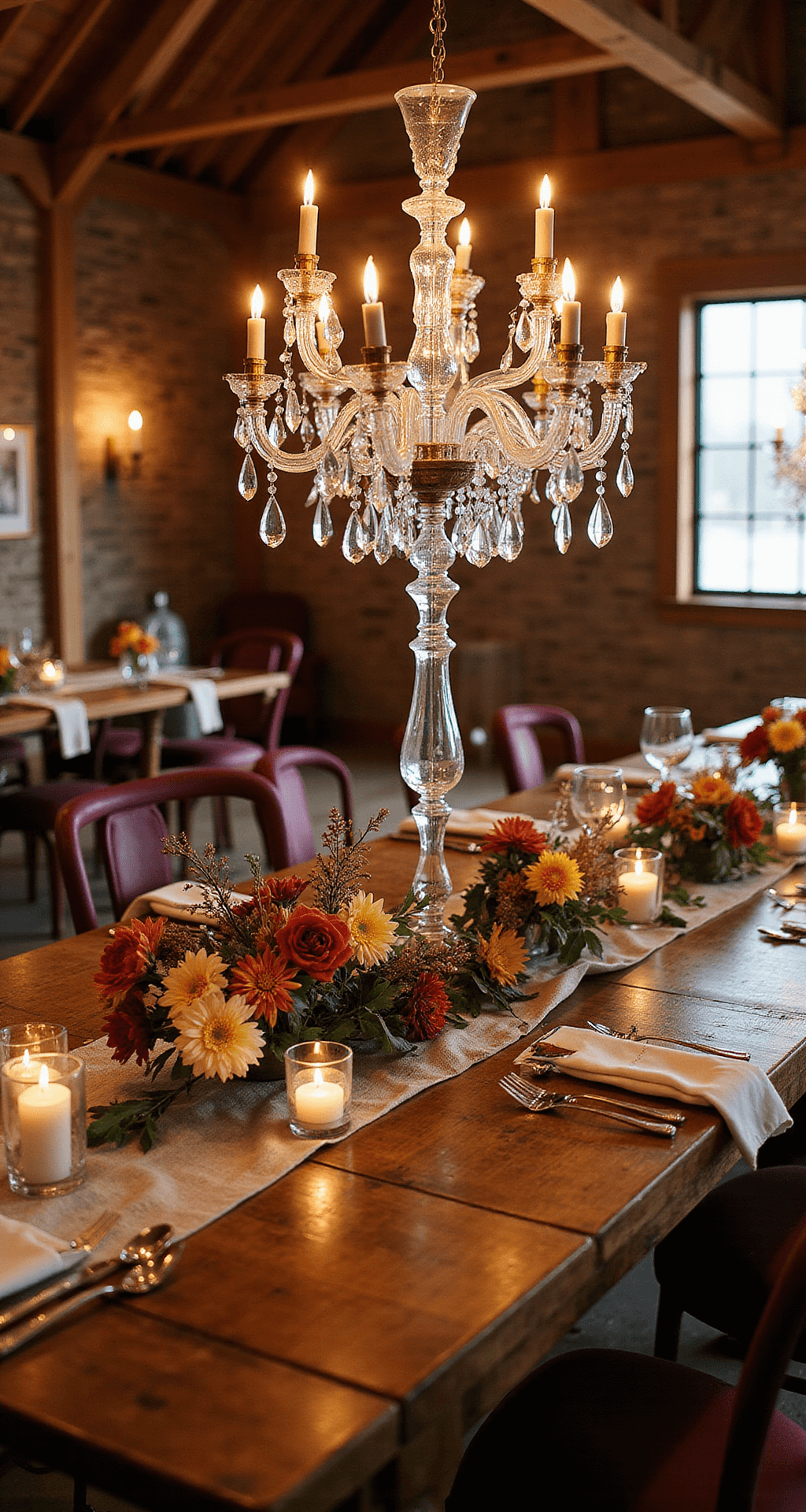
Candles: Your Secret Weapon for Real Romance
Candles are non-negotiable for romantic lighting. Not the electric fake ones (I see you, people worried about fire codes—we’ll get to that). Real, actual flame creates a warmth that no other light source can replicate. It’s literally a primal response—humans have been drawn to firelight for thousands of years.
You need to layer your candles. Don’t just put one candle on each table. That’s boring and ineffective. Use different candle types and heights. Pillar candles in varying heights create visual interest. Votive candles fill in gaps and provide ambient light. Taper candles in elegant candlestick holders add sophistication.
Pro tip: Buy more candles than you think you need. I always add 30% extra. Candles are inexpensive compared to other décor, and a room that feels slightly