
Light Up Balloons: Everything You Need to Know Before Your Next Party
Light Up Balloons: Everything You Need to Know Before Your Next Party
Contents
- Light Up Balloons: Everything You Need to Know Before Your Next Party
- What Exactly Are Light Up Balloons?
- The Different Types That Actually Matter
- How Long Do These Things Actually Last?
- Helium vs. Air: The Debate Nobody Prepared Me For
- Safety Stuff You Actually Need to Know
- How to Actually Use Them Without Looking Ridiculous
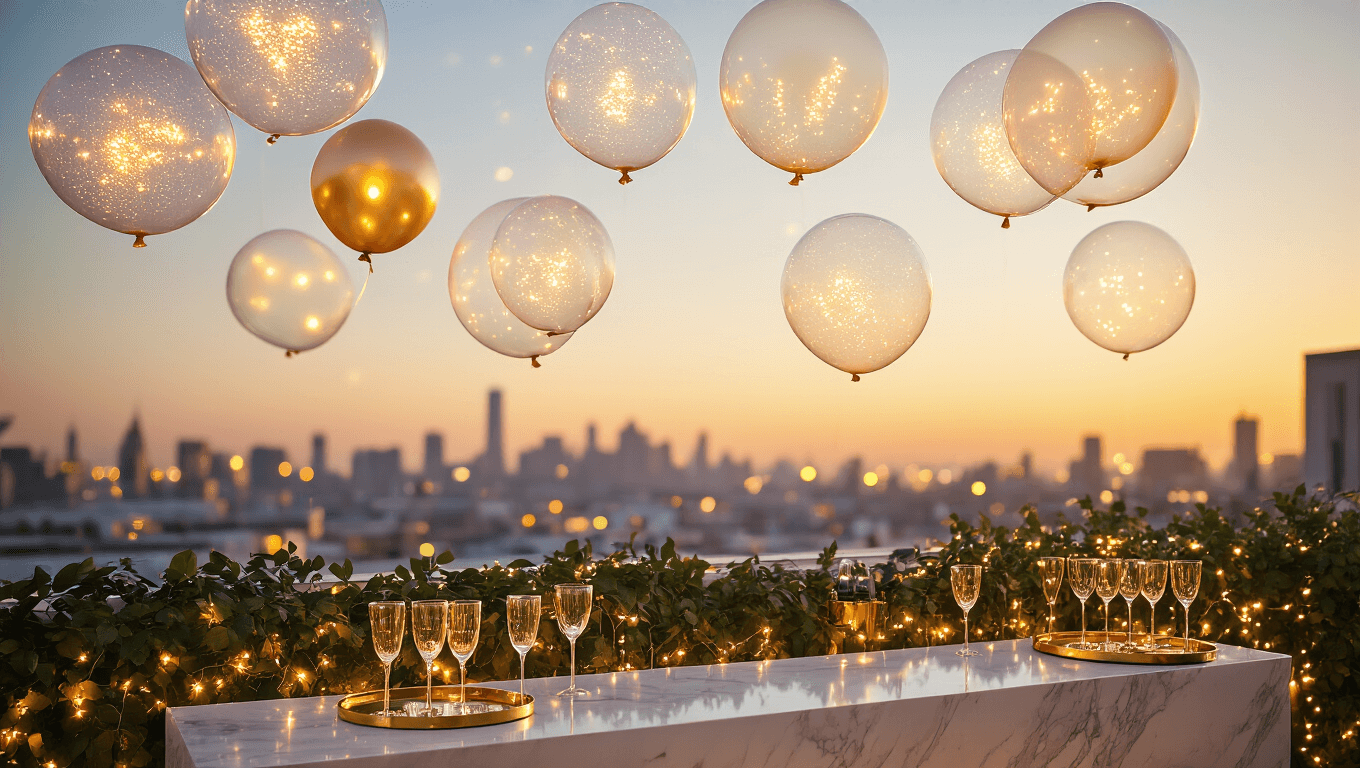
Light up balloons transformed my niece’s birthday party from “nice” to “absolutely magical” in about thirty seconds flat.
I’m talking about those gorgeous glowing orbs that make everyone pull out their phones and start snapping pictures. You know what I’m talking about—the balloons that look like they belong in a fairytale, floating around your event space like tiny moons.
But here’s what nobody tells you before you buy them: not all light up balloons are created equal, and some of the ones I’ve tried have been complete disasters.
Let me save you from my mistakes.
What Exactly Are Light Up Balloons?
These aren’t your grandma’s party balloons.
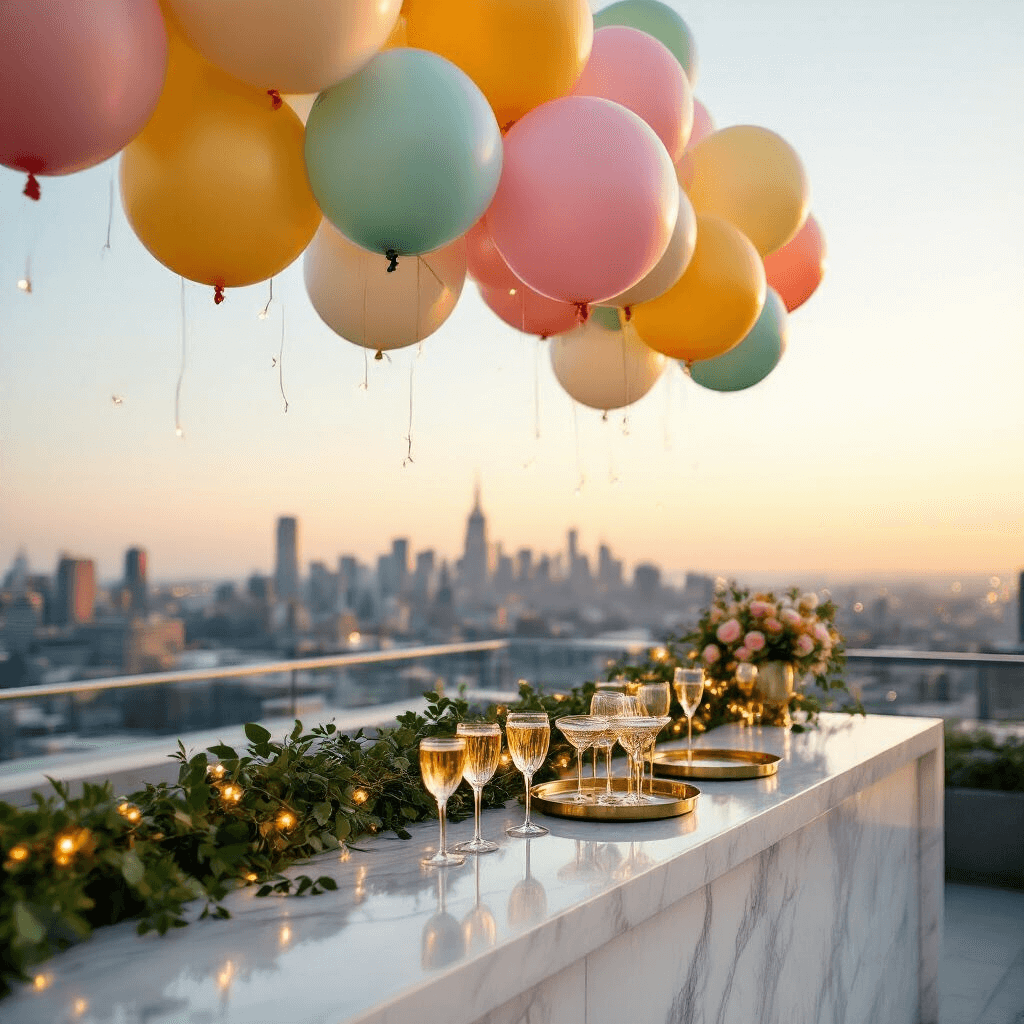
Light up balloons combine regular latex or clear plastic balloons with small LED lights that sit inside or attach to the balloon itself. The LED component creates that stunning glow that makes your Instagram feed look like you hired a professional party planner.
Here’s how they work:
- Small LED units (usually battery-powered) attach to the inside of the balloon
- You inflate the balloon around the light source
- The LED illuminates the entire balloon from within
- Most models let you turn them on and off with a tiny switch
The first time I used them, I didn’t realize you had to activate the LED before inflating. That was fun.
The Different Types That Actually Matter
Standard LED Balloons
These come with pre-attached LED lights already built into the balloon. You literally just inflate and activate. They’re foolproof, which is exactly what I needed after my first disastrous attempt at party decorating.
Best for:
- People who want zero hassle
- Large parties where you need dozens of balloons
- Outdoor evening events
- Anyone who’s decorating-challenged (like me)
Bobo Balloons
These are the fancy cousins in the light up balloon family. Bobo balloons feature clear plastic material instead of latex, and they’re usually much larger—think 18 to 36 inches. The transparent material creates this incredible bubble effect that looks insanely expensive.
I used bobo balloons for my best friend’s engagement party, and people literally thought we’d spent thousands on decorations. We hadn’t.
What makes them special:
- Crystal-clear visibility of the LED lights inside
- Reusable if you’re careful (I’ve used the same ones three times)
- They photograph like absolute dreams
- More durable than regular latex balloons
Color-Changing LED Balloons
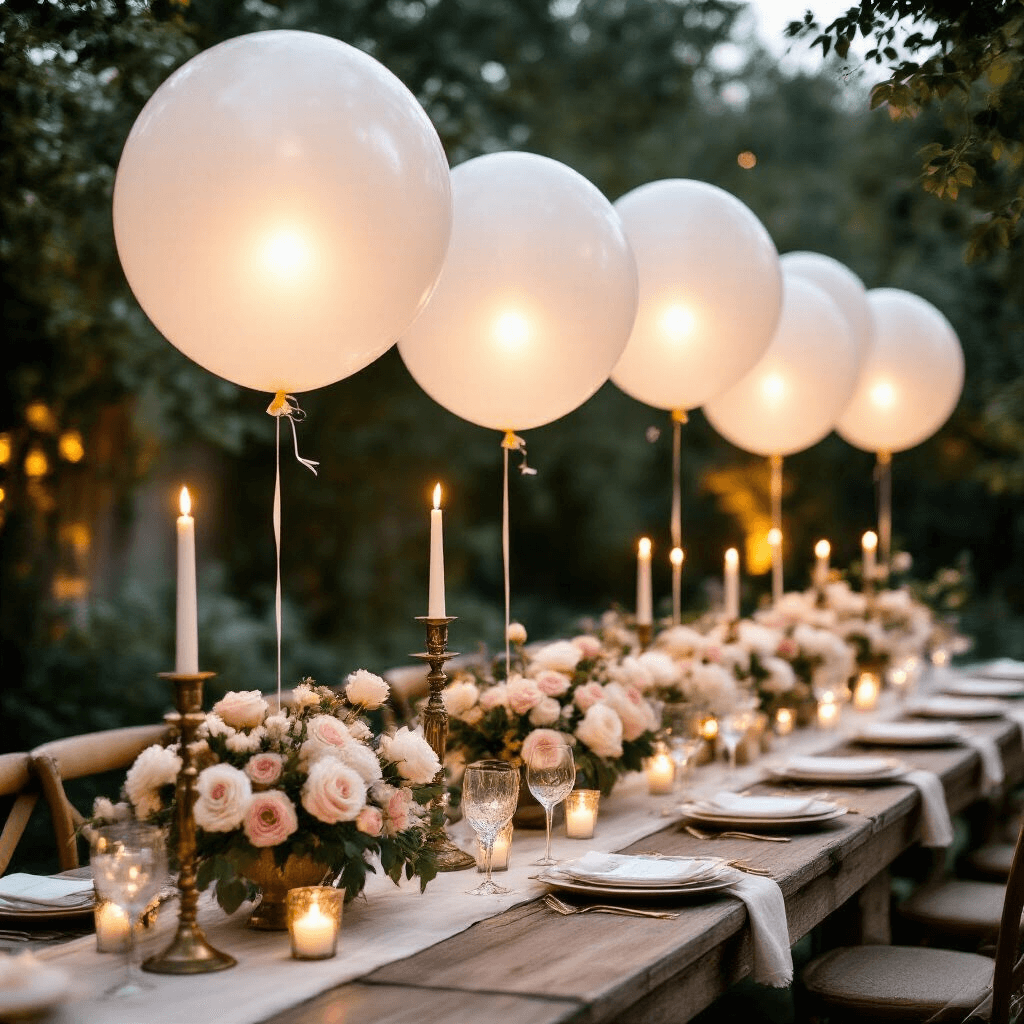
These are where things get really interesting. Some LED balloons cycle through multiple colors automatically, creating this mesmerizing light show effect. I’m obsessed with color-changing LED balloons for evening garden parties. The shifting colors catch people’s attention without being overwhelming or tacky.
How Long Do These Things Actually Last?
Let’s talk battery life because this is where I’ve been burned.
Most light up balloons promise 12-24 hours of continuous glow. In my experience, you’ll get closer to 12-15 hours with cheaper options. The premium ones can genuinely last the full 24 hours and sometimes beyond.
Battery reality check:
- Budget balloons: 8-12 hours of decent brightness
- Mid-range options: 12-18 hours
- Premium balloons: 20-24+ hours
- The batteries are usually NOT replaceable (learned that the hard way)
Always turn them on when you’re actually ready to use them, not during setup. I wasted three hours of battery life once because I got excited and activated everything too early.
Helium vs. Air: The Debate Nobody Prepared Me For
This decision matters more than you think.
Helium-filled light up balloons:
- Float beautifully (obviously)
- Create that ceiling-full-of-stars effect
- Cost more because helium isn’t cheap anymore
- The LED weight matters—heavier LEDs won’t float as well
- Float time: roughly 8-12 hours with quality balloons
Air-filled light up balloons:
- Need to be attached to something (walls, strings, balloon stands)
- Much cheaper overall
- Last longer since there’s no helium gradually escaping
- Actually easier to arrange exactly where you want them
I’ve switched to mostly air-filled balloons secured to fishing line at different heights. Looks just as impressive, costs half as much, and I’m not frantically filling balloons an hour before guests arrive.
Safety Stuff You Actually Need to Know
I’m not usually the safety lecture person, but light up balloons have some legitimate concerns.
Keep these away from:
- Small children who put everything in their mouths
- Pets who think glowing things are toys (my cat tried to murder one)
- Heat sources (candles, heaters, hot lights)
- Sharp objects and rough surfaces
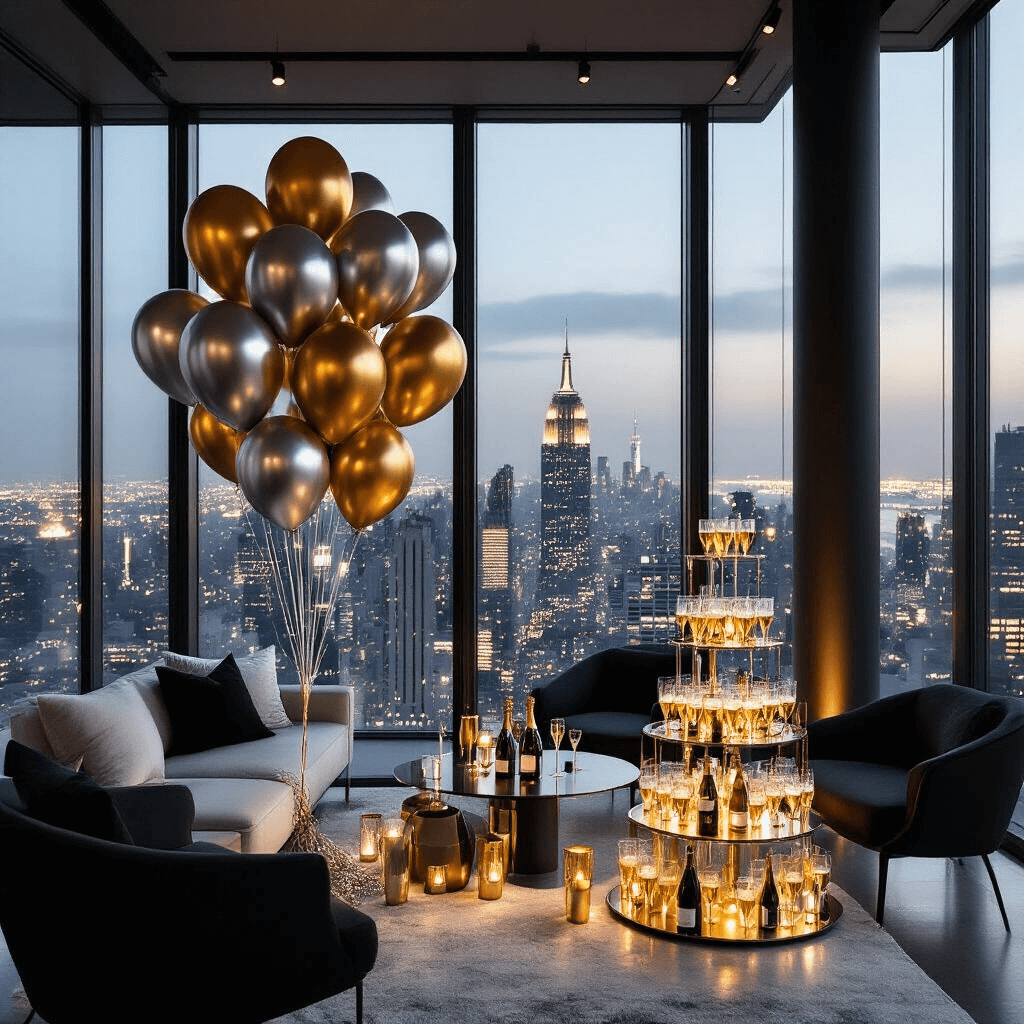
The LED lights contain small batteries, and if a balloon pops, those batteries become a choking hazard. At my nephew’s third birthday, we kept all light up balloons in ceiling clusters, out of grabbing range.
For ground decorations, we used regular balloons.
Other safety notes:
- Don’t over-inflate—they’ll pop more easily
- Dispose of popped balloons immediately
- Never release light up balloons outside (terrible for environment and wildlife)
- Check that LED lights aren’t getting hot (most don’t, but cheap ones can)
How to Actually Use Them Without Looking Ridiculous
Here’s where design meets reality. Too many light up balloons make your space look like a rave venue. Too few, and nobody notices them.
My tested formula for different spaces:
Small apartment/room (under 200 sq ft):
- 8-12 light up balloons maximum
- Cluster them in one corner or along one wall
- Mix with regular balloons for texture
Medium venue (200-500 sq ft):
- 15-25 light up balloons