How to Create Stunning Indian Wedding Decor That Honors Tradition and Impresses Your Guests
Understanding Indian Wedding Decor: More Than Just Pretty Colors
Contents
- Understanding Indian Wedding Decor: More Than Just Pretty Colors
- The Mandap: Your Wedding’s Main Character
- Color Palettes: Choosing Your Decor’s Personality
- Haldi, Mehendi, and Pre-Wedding Events: Building Momentum
- The Wedding Ceremony: Bringing Everything Together
- Reception Decoration: From Formal to Fun
Indian wedding decor isn’t just about making things look nice. It’s about storytelling through color, symbol, and tradition. Every element carries meaning. Every choice reflects your family’s values and celebrates your love story. The mandap—that gorgeous platform where you’ll stand during the ceremony—isn’t just a backdrop. It’s the heart of your wedding. It’s where the magic happens. The flowers aren’t random either. Marigolds symbolize prosperity and auspiciousness. Jasmine represents purity and devotion. Red fabrics aren’t trendy; they represent fertility, love, and protection from negative energy. When you understand this, decorating becomes less about following rules and more about telling your story through thoughtful choices.
The Mandap: Your Wedding’s Main Character
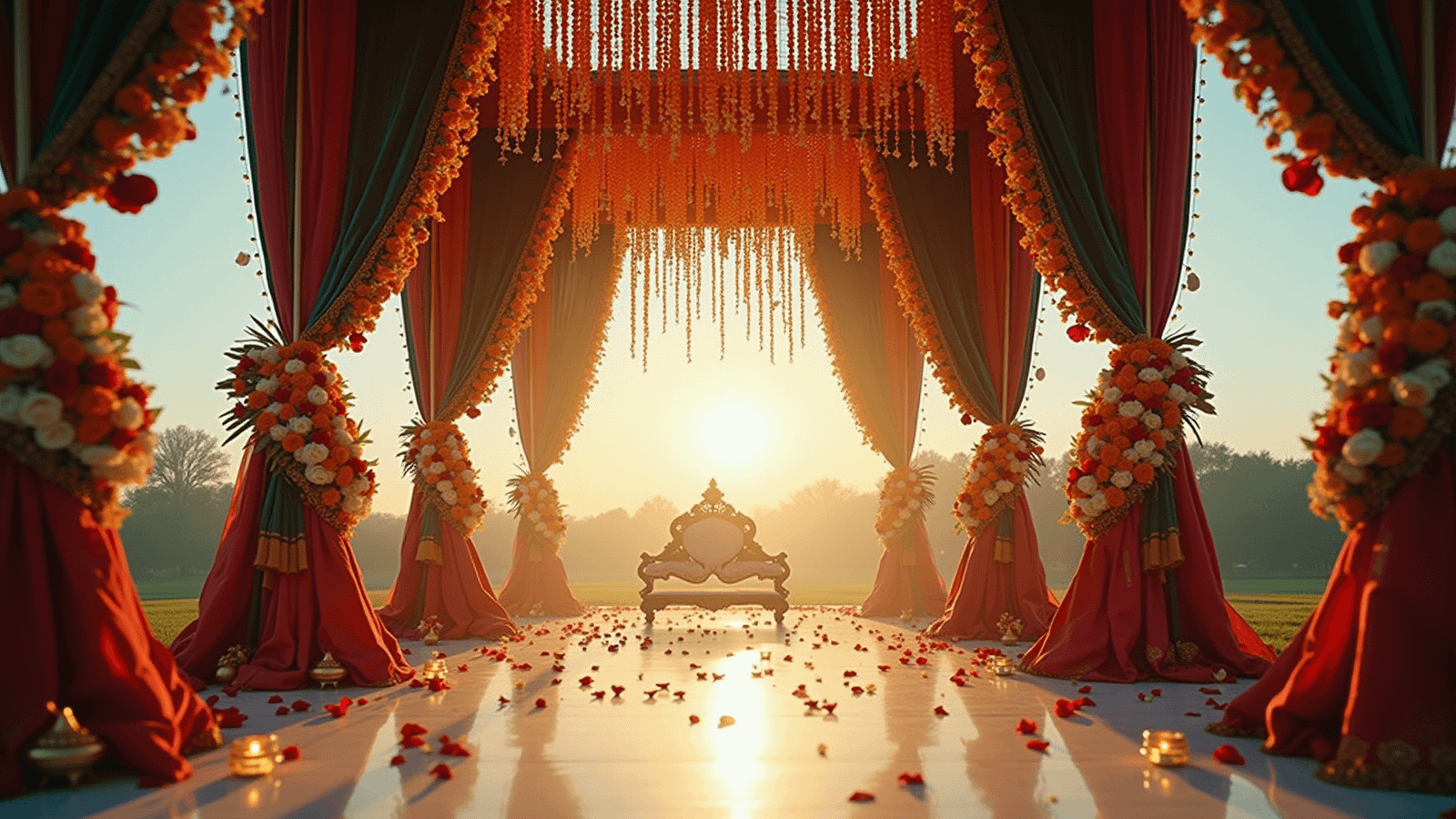
Think of the mandap as the protagonist of your celebration. Your guests will focus on it. Your photographer will focus on it. Your memories will center around it. A traditional mandap typically features four pillars that represent stability, support, and the four corners of life. These pillars get decorated with:
- Silk or velvet drapes in rich jewel tones (deep maroon, royal purple, emerald green)
- Fresh flower garlands that wrap around each pillar like living art
- Hanging flower arrangements that create layers of visual interest
- String lights or chandeliers for evening ceremonies that add sparkle and warmth
- Incense holders and brass lamps that add authentic, traditional touches
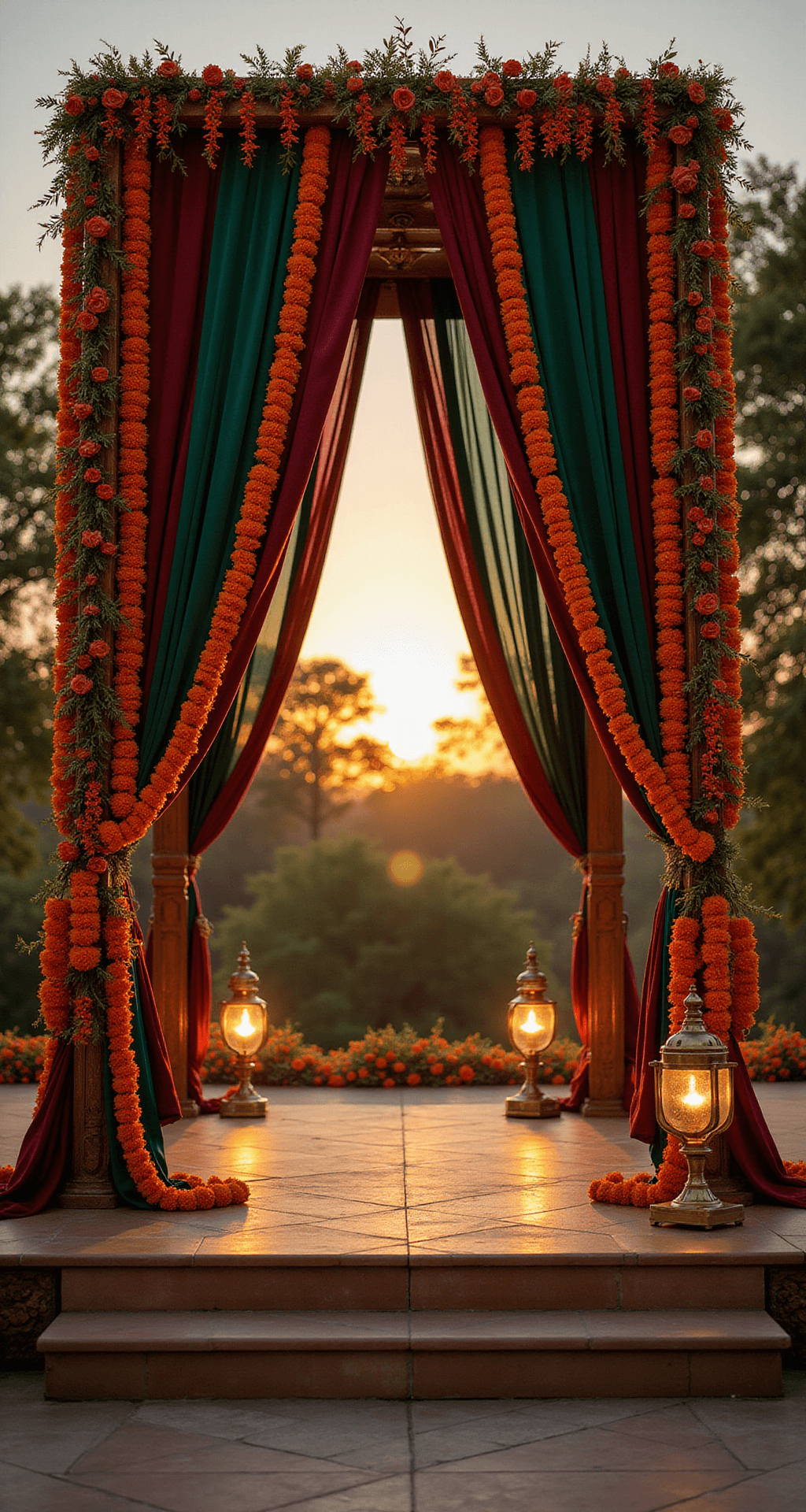
Here’s what I’ve learned from working with couples: the most impressive mandaps aren’t always the most expensive ones. They’re the ones where every element works together harmoniously. That means your pillars, your lighting, your flowers, and your fabrics all complement each other rather than competing for attention.
Color Palettes: Choosing Your Decor’s Personality
Red and Gold: The classic power couple. Red brings energy, passion, and auspiciousness. Gold adds luxury, warmth, and a regal vibe. This combination works for couples who want to honor tradition while feeling elevated and sophisticated.
Maroon and Gold: If pure red feels too bold, maroon softens things while maintaining that luxurious feel. It’s elegant without being flashy.
Royal Blue and Gold: For couples who want to stand out but still maintain elegance. Blue represents loyalty and stability—perfect for celebrating a committed partnership.
Green and Gold: This one’s special because green symbolizes new beginnings, growth, and harmony. It’s ideal if you want your wedding to feel fresh, modern, and connected to nature.
Blush and Rose Gold: The contemporary choice for couples who love tradition but want a softer, more romantic aesthetic. It’s trending for good reason—it photographs beautifully and feels intimate rather than imposing.
Here’s my advice: pick a primary color based on what makes you feel most like yourself. Then choose one complementary color. Then add gold or silver as your unifying metal. That’s it. That’s your palette. Everything else flows from there.
Haldi, Mehendi, and Pre-Wedding Events: Building Momentum
Your wedding isn’t just one event—it’s a series of celebrations. Each one deserves its own identity while still feeling connected to your overall vision.
The Haldi Ceremony: Golden Beginnings
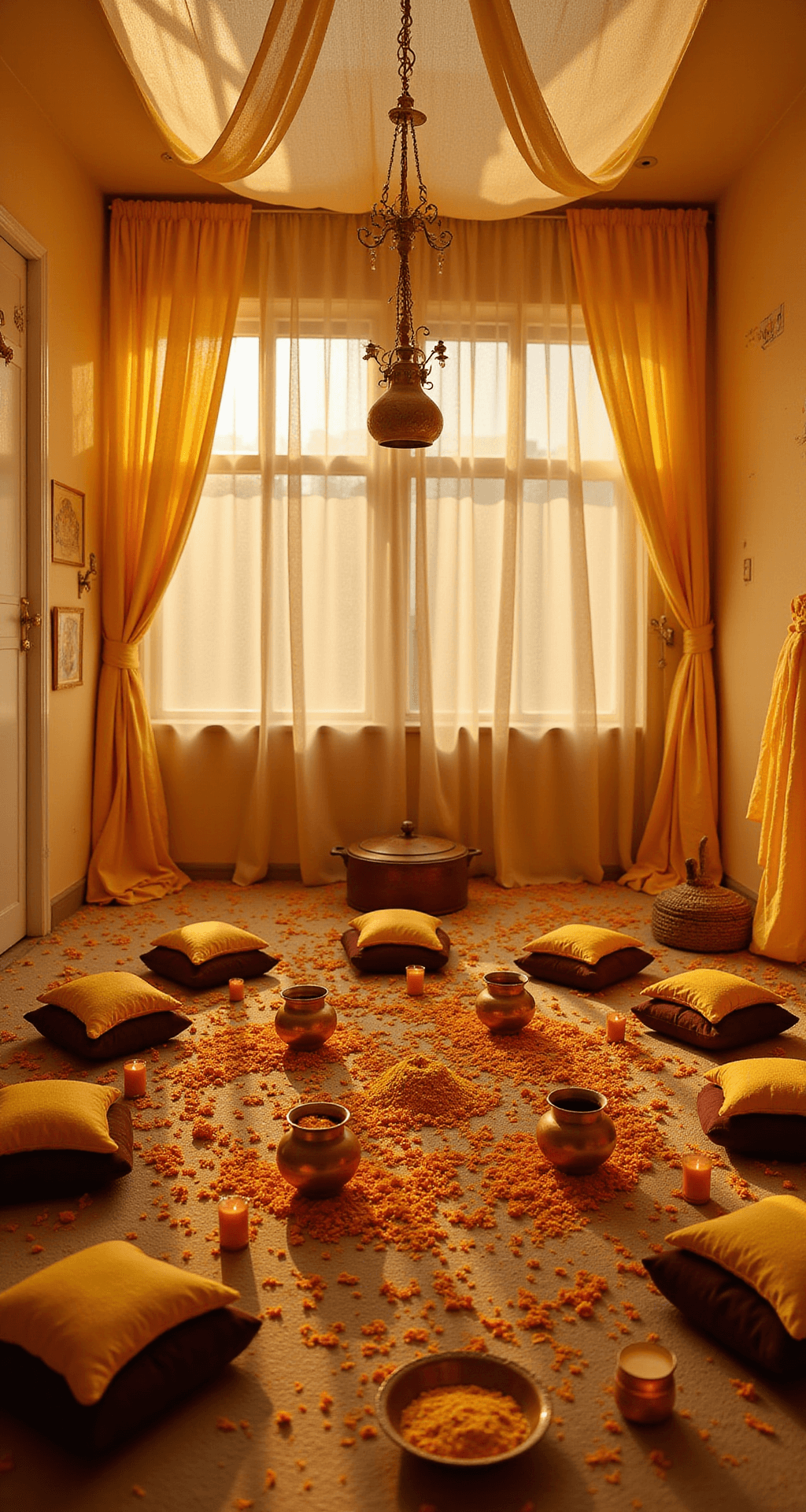
The Haldi ceremony celebrates the bride’s beauty and is traditionally soaked in golden yellow tones (because turmeric is literally golden, and it’s at the center of this ritual).
Decoration approach:
- Paint the entire space in warm golds and creams
- Use fresh marigold garlands draped across entryways and around pillars
- Arrange large brass or copper pots filled with turmeric paste as centerpieces
- Hang fabric banners in soft yellow and cream from the ceiling
- Layer in greenery and banana leaves for texture and authenticity
- Use lots of candles or warm-toned lighting to create an intimate, glowing atmosphere
- Consider creating a “turmeric station” where guests can participate in the Haldi application
The Mehendi Celebration: Vibrant and Joyful
Mehendi is the most colorful, playful pre-wedding event. This is where you can go wild with bright colors because mehendi literally means henna, and henna designs are intricate, detailed, and full of life.
Decoration approach:
- Use jewel tones: emerald, sapphire, ruby, and orange
- Create flower installations using dried flower garlands mixed with fresh blooms
- Hang colorful fabric drapes from the ceiling to create intimacy and color
- Use lots of string lights and lanterns
- Create seating areas with cushions and low tables so guests can relax while getting henna applied
- Design a beautiful entrance gate decorated with flowers and traditional torans (door hangings)
- Use decorative mirrors and glass pieces to reflect light and create sparkle
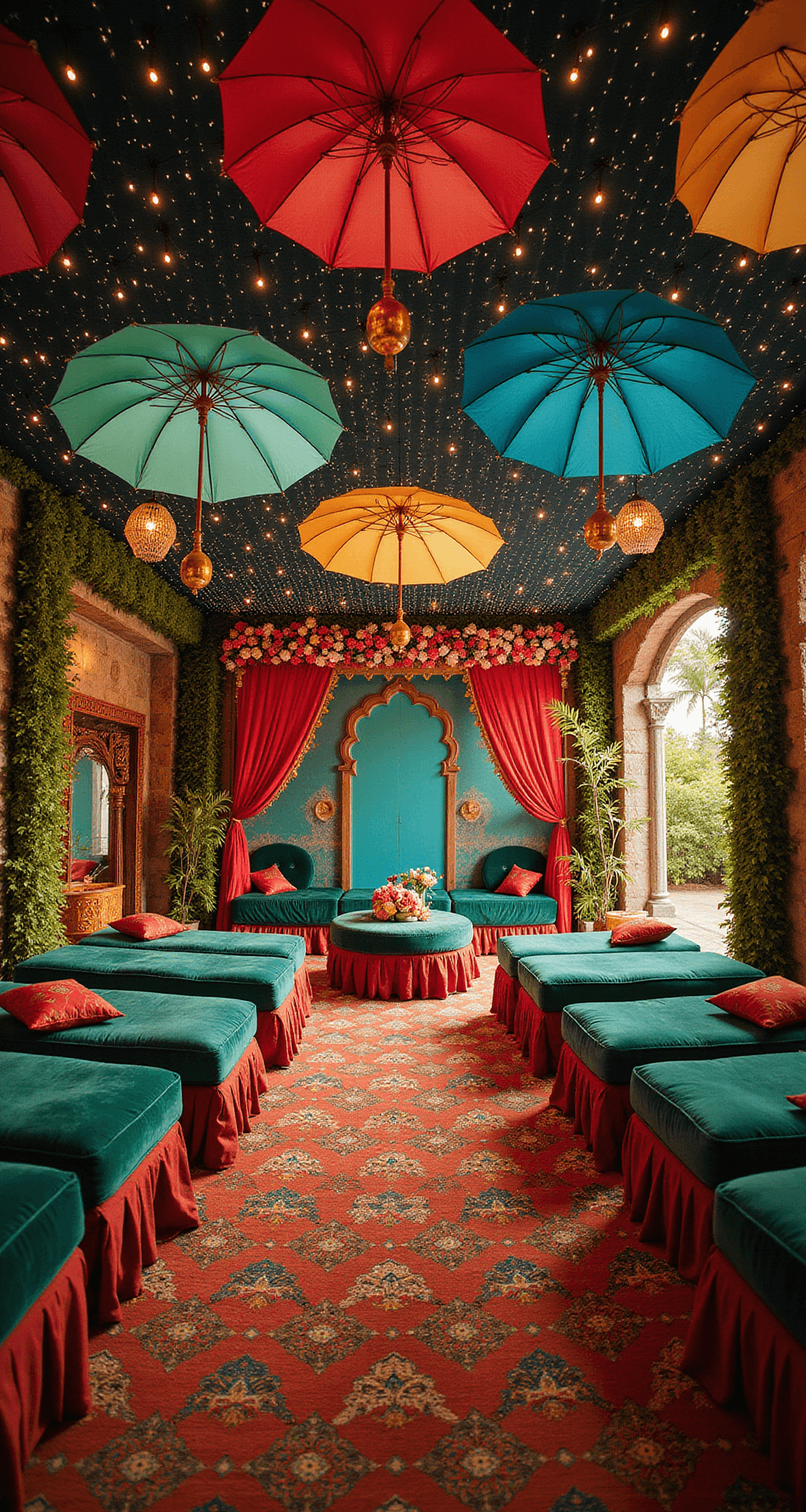
The Mehendi space should feel festive and celebratory—like a party, because it is.
The Wedding Ceremony: Bringing Everything Together
This is where your overall vision comes to full fruition. Your mandap should feel like the culmination of everything you’ve been building toward. By this point, your guests have experienced multiple color palettes and celebration styles. Your main ceremony should feel like the crescendo.
Ceremony decor essentials:
- The mandap (obviously)—this should be the most elaborate, most decorated, most visually stunning moment of your events
- Entrance designs that guide guests into the space and set the tone immediately
- Seating area decorations for the ceremony—even the chairs your guests sit on should feel special
- Altar or focal point flowers that draw the eye to where you’ll stand
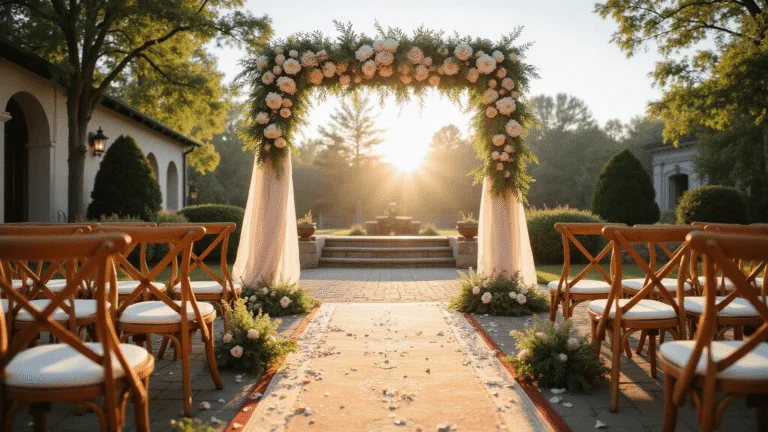
- Aisle decorations if you’ll be walking down one—fresh flowers, petals, or flowering plants lining the path
- Chandelier or hanging lighting that makes the space feel magical, especially if it’s evening
- Background installations that create depth and interest without overwhelming the mandap itself
I always recommend to couples: your ceremony space should feel intimate and focused, even if you’re hosting 300 people. The mandap is the star. Everything else supports it.
Reception Decoration: From Formal to Fun
The reception is where your style really gets to shine because you have more flexibility here. Ceremony decor needs to honor tradition. Reception decor can blend tradition with your personal aesthetic.
Modern reception trends:
- Geometric lighting installations with minimalist elegance mixed with traditional marigold garlands
- Hanging floral installations that create height and drama without taking up floor space
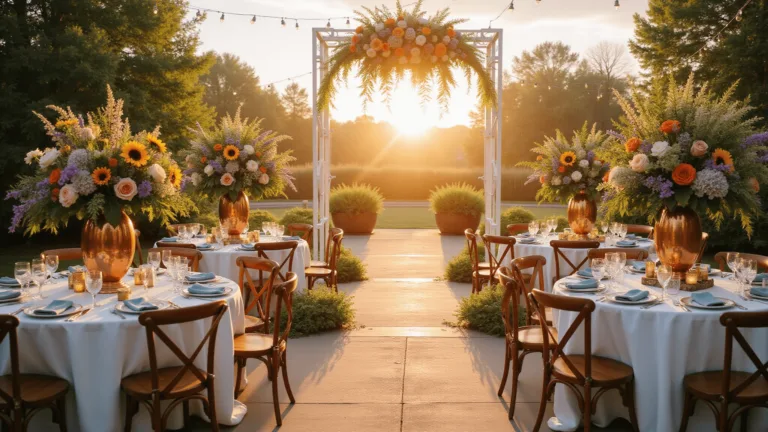
- Tiered centerpieces that combine flowers, candles, and modern elements like glass or brass
- Lounge seating areas with cushions, throws, and low tables that feel sophisticated and comfortable
- Statement backdrops