
How to Draw a Balloon: The Simple 4-Step Guide That Actually Works
How to Draw a Balloon: The Simple 4-Step Guide That Actually Works
Contents
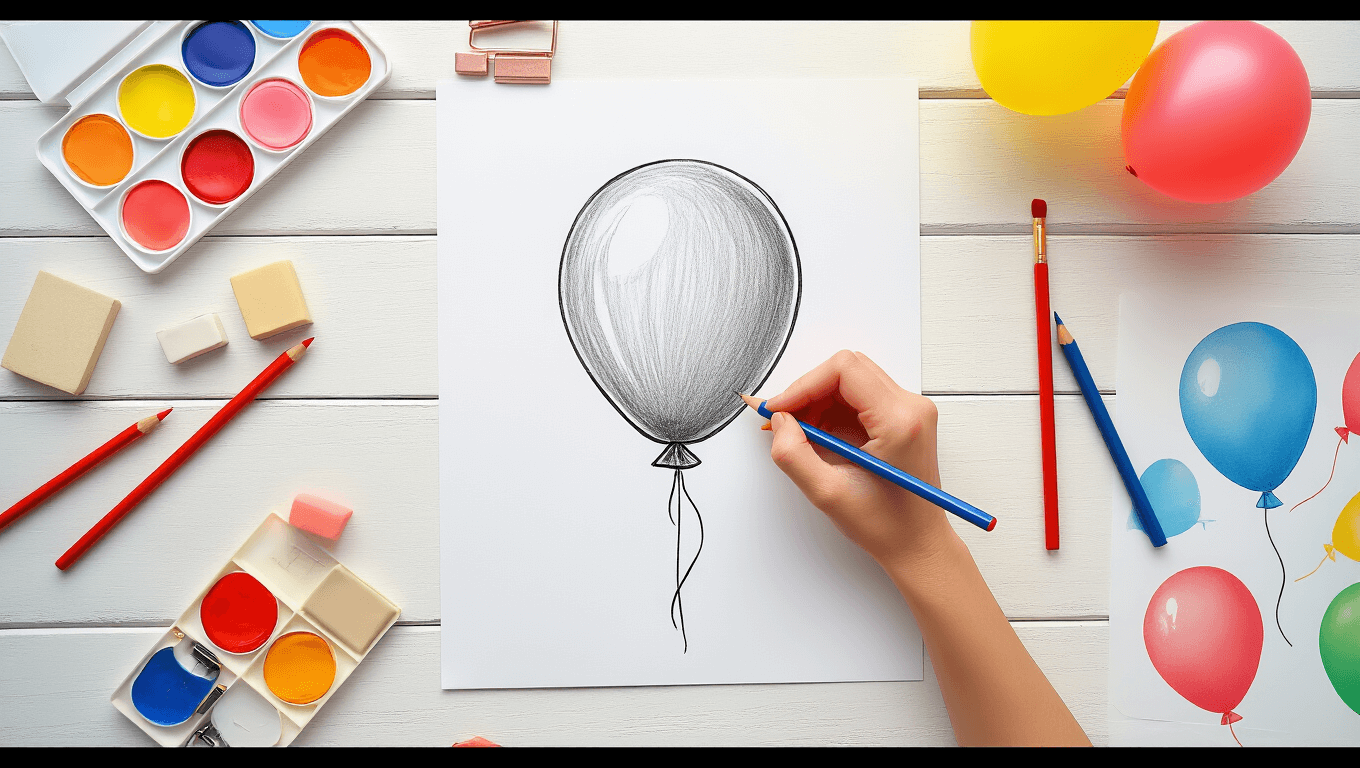
Drawing a balloon might seem like child’s play, but getting it to look just right can be surprisingly tricky.
I’ve watched countless people struggle with wonky circles and strings that look more like limp spaghetti than festive party decorations.
But here’s the good news: you can draw a balloon in just four simple steps using basic shapes and lines. No art degree required.
Why Your Balloon Drawings Probably Look Off (And How to Fix It)
Most people mess up balloon drawings in three predictable ways.
The circle looks like a potato.
The string attachment point makes no sense.
The whole thing looks flat and lifeless.
I learned this the hard way when I was helping my niece with party invitations last year and realized my “balloons” looked like weird blobs with tails.
That’s when I broke down the process into something that actually works.
What You’ll Need Before You Start
Don’t overthink this part.
Grab these basic supplies and you’re ready to go:
- Paper (any kind works, though sketch paper gives you better eraser forgiveness)
- Pencil (a standard HB pencil is perfect)
- Eraser (get a good one that doesn’t smudge)
- Markers, crayons, or color pencils (I’m obsessed with alcohol markers for that smooth, vibrant finish)
Pro tip: Keep a round object nearby like a bottle lid or circle template for tracing.
Your circles will thank you.
The 4-Step Method That Changed Everything
Step 1: Start With Your Circle
Draw a circle at the top of your paper.
Use that bottle lid or template I mentioned—there’s zero shame in this game.
Freehand circles are great if you’re Michelangelo, but the rest of us need help.
Position it toward the top of your page to leave room for the string.
Step 2: Add the Balloon’s Lip (The Part Everyone Forgets)
This is where magic happens.
Draw a small wing shape with a ruffled bottom underneath the circle on the right side.
This creates that pinched area where someone tied off the balloon.
Without this detail, you’ve got a ball with a string, not a balloon.
The difference might seem tiny, but it’s everything.
Step 3: Give It a String
Sketch a wavy line from the center of that lip shape downward.
Make it loose and natural—balloons float and drift.
A perfectly straight line screams “I don’t understand physics.”
I like to add a gentle S-curve to mine for that authentic floating look.
Step 4: Create Dimension With One Simple Square
Sketch a small square shape on the right center of the balloon.
This tiny detail makes your flat circle look actually rounded and three-dimensional.
It’s wild how something so simple creates depth.
Bringing Your Balloon to Life With Color
Once your outline is complete, grab those coloring pencils or markers.
Choose whatever colors make you happy.
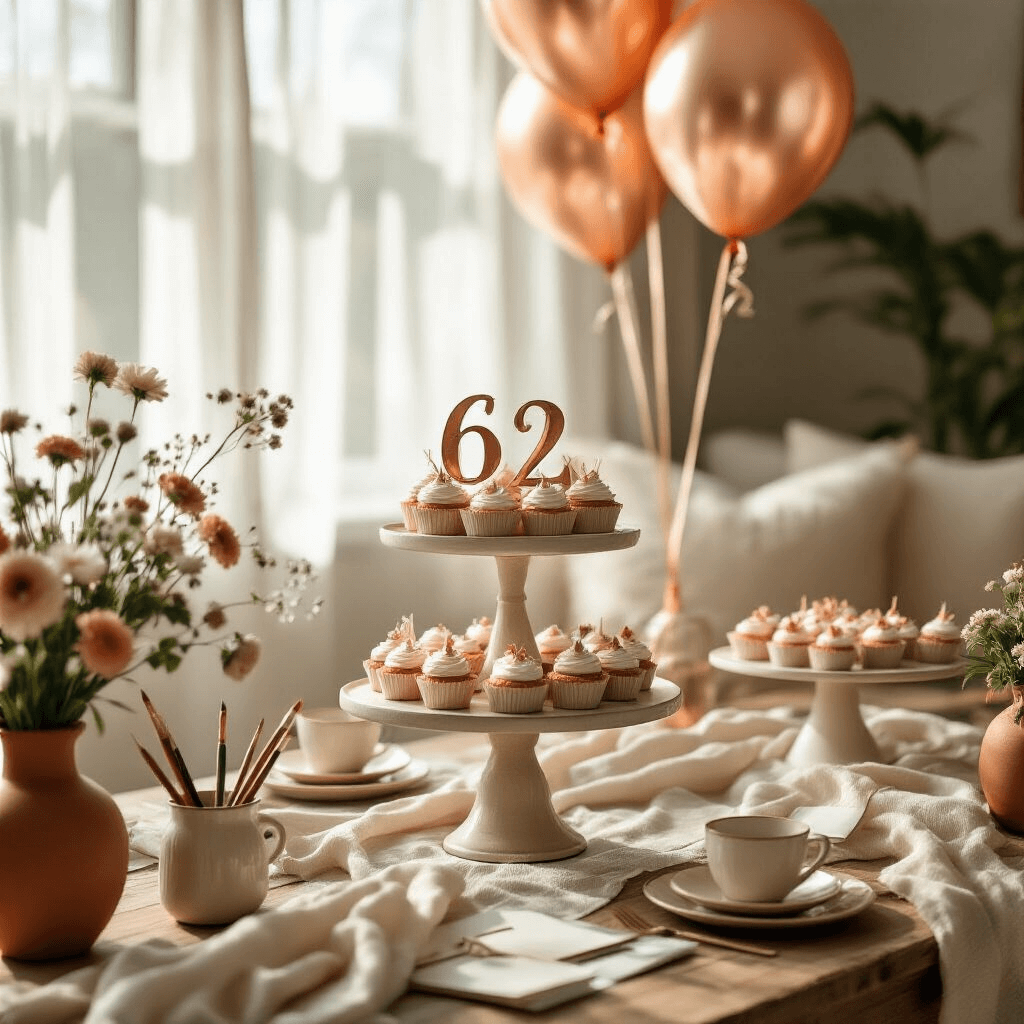
I’m partial to classic red or blue, but last month I did a whole series in metallics that looked incredible.
Layer your colors if you’re using pencils.
Start light and build up.
Markers give you that instant pop of color that’s deeply satisfying.

Taking It Further: Other Balloon Styles Worth Trying
The Kawaii Balloon That’ll Melt Hearts
Add expressive eyes and a smile to your basic balloon shape.
Two simple dots and a curved line transform your balloon into something adorable.
I made these for my friend’s baby shower invitations and people went absolutely nuts over them.
Hot Air Balloons for the Ambitious
Create a large oval or teardrop shape for the main balloon envelope.
Add curved sections inside for those classic panel divisions.
Draw a basket beneath it with lines or ropes connecting them.
These take more time but look stunning on watercolor paper.
Shiny Foil Balloons (My Personal Favorite)
Think number balloons or letter balloons with that glossy, metallic look.
Use three different color pencil tones: dark, mid, and light.
Shade and blend the shape carefully.
Add highlights with white pencil or paint to create that reflective, metallic appearance.
The key is patience—build up those layers slowly.
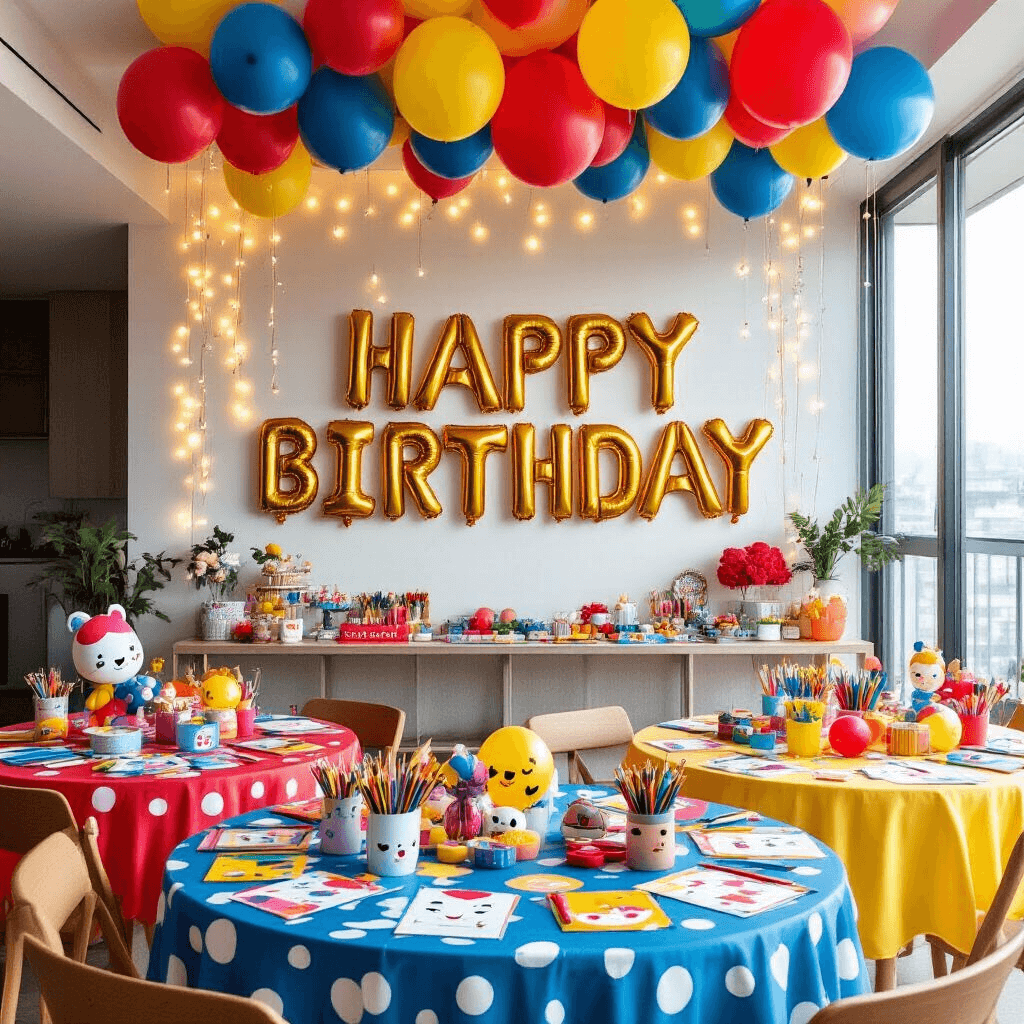
I spent an entire weekend perfecting a “Happy Birthday” foil balloon series and the depth I achieved shocked me.
What I Learned Drawing Hundreds of Balloons
I’ve drawn balloons for party invitations, greeting cards, wall art, and random doodles when I’m on hold with customer service.
The four-step method works every single time.
But here’s what nobody tells you: the imperfections make it better.
That slightly wonky circle adds character.
The string that curves unexpectedly looks more real.
Stop chasing perfection and start having fun with it.
Conclusion: Your Balloon Drawing Journey Starts Now
Drawing a balloon doesn’t require artistic genius or years of


