How to Create Stunning Wedding Reception Decor That Actually Reflects Your Style
The Foundation: Understanding What Wedding Reception Decoration Actually Means
Contents
- The Foundation: Understanding What Wedding Reception Decoration Actually Means
- Building Your Tablescapes: Where It All Begins
- Centerpieces: The Conversation Starters
- Furniture and Seating: Setting the Mood
- Overhead Design: The Wow Factor
- Color Schemes: Finding Your Palette
- Design Approaches That Make It All Cohesive
- Putting It All Together: Your Reception Decor Checklist
Wedding reception decoration isn’t just about throwing some flowers on tables and calling it a day. It’s about transforming a blank room into a space that tells your story. It’s the linens, the centerpieces, the lighting, the furniture placement, and those little details that make guests lean over to each other and say, “Wow, this is beautiful.”
The best part? Your decoration style can range from ultra-minimalist and chic to an elaborate, over-the-top floral wonderland. Neither is right or wrong. It’s whatever makes your heart happy.
Building Your Tablescapes: Where It All Begins
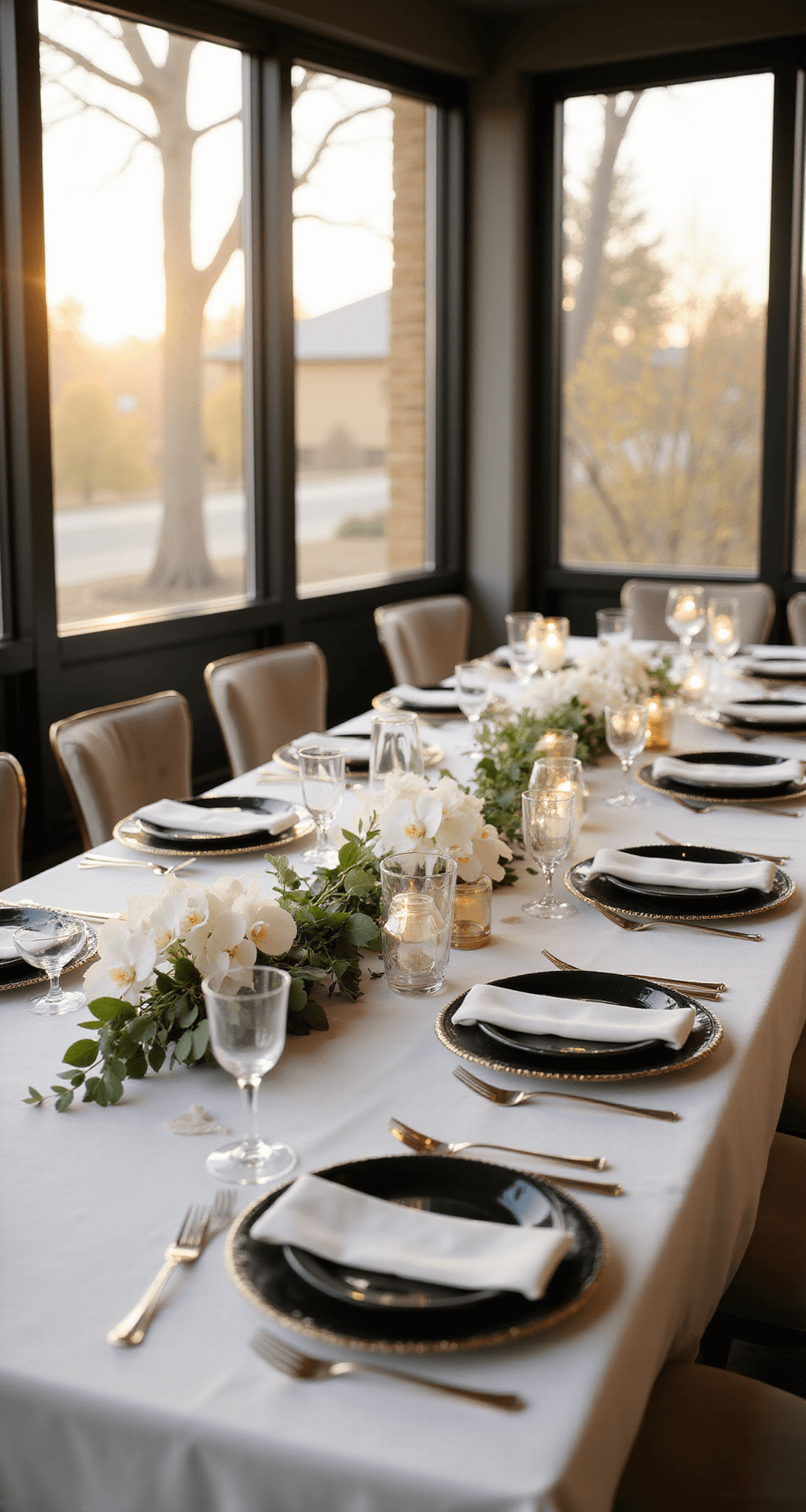
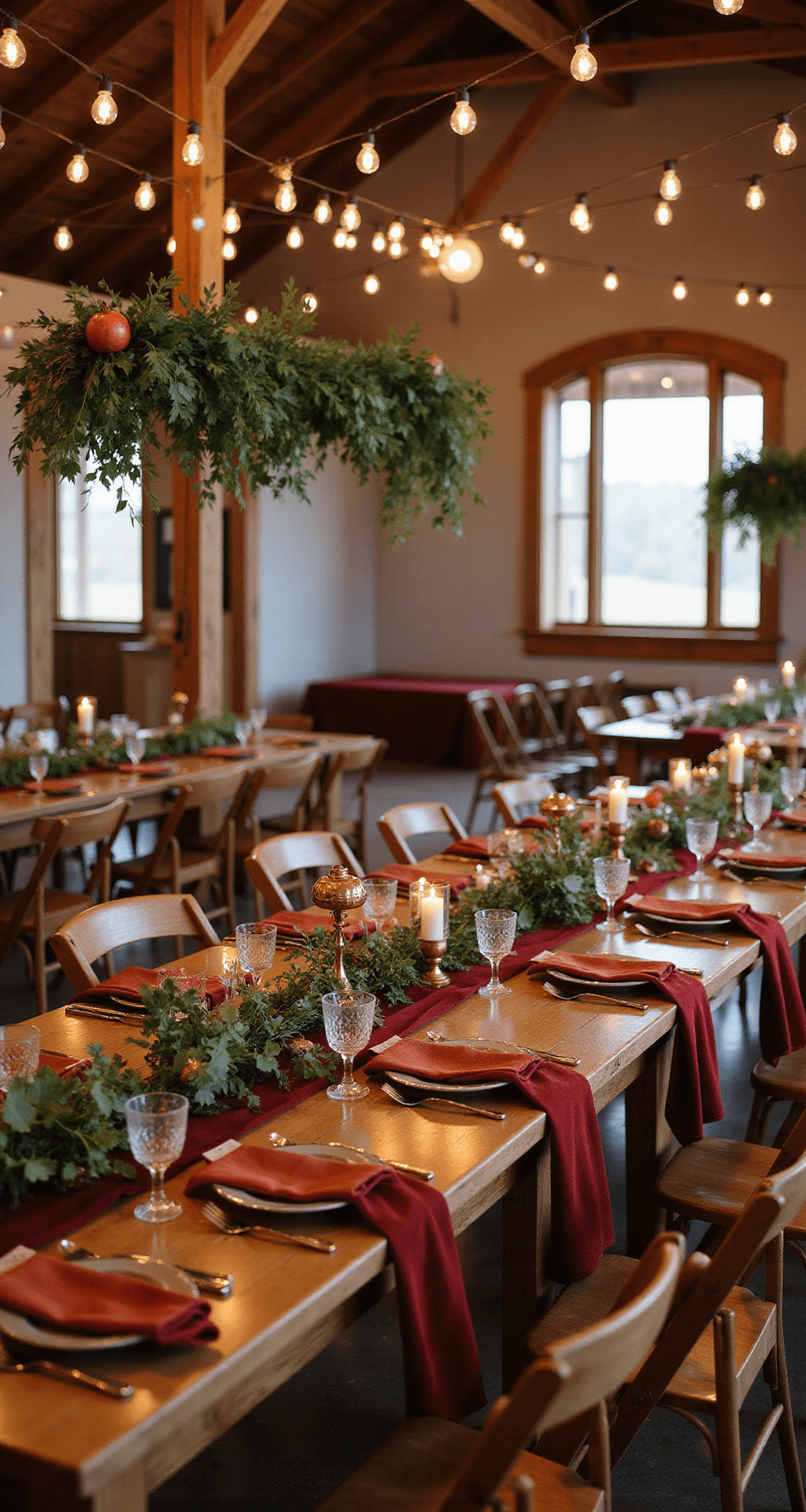
Your tables are literally where people spend most of their evening. So let’s make them count. Tablescapes and linens form the absolute foundation of your reception design, and this is where your color scheme and vibe come to life.
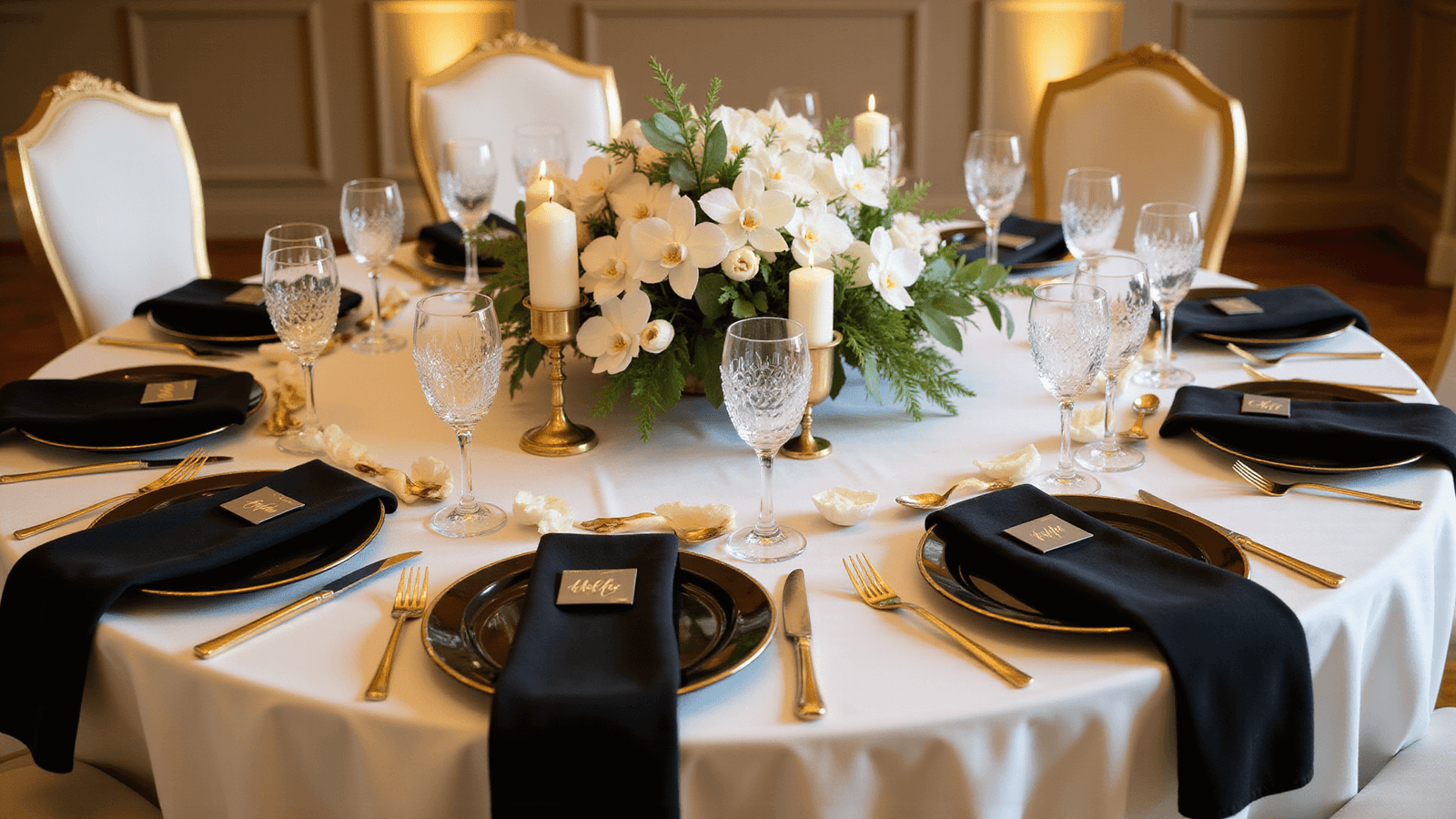
You’ve got options here, and they’re all good ones. Black-and-white minimalist combinations scream sophisticated and timeless. Pair a crisp white tablecloth with black charger plates, and suddenly you’ve got a formal, gallery-like vibe.
Choosing Your Tablecloths and Table Linens
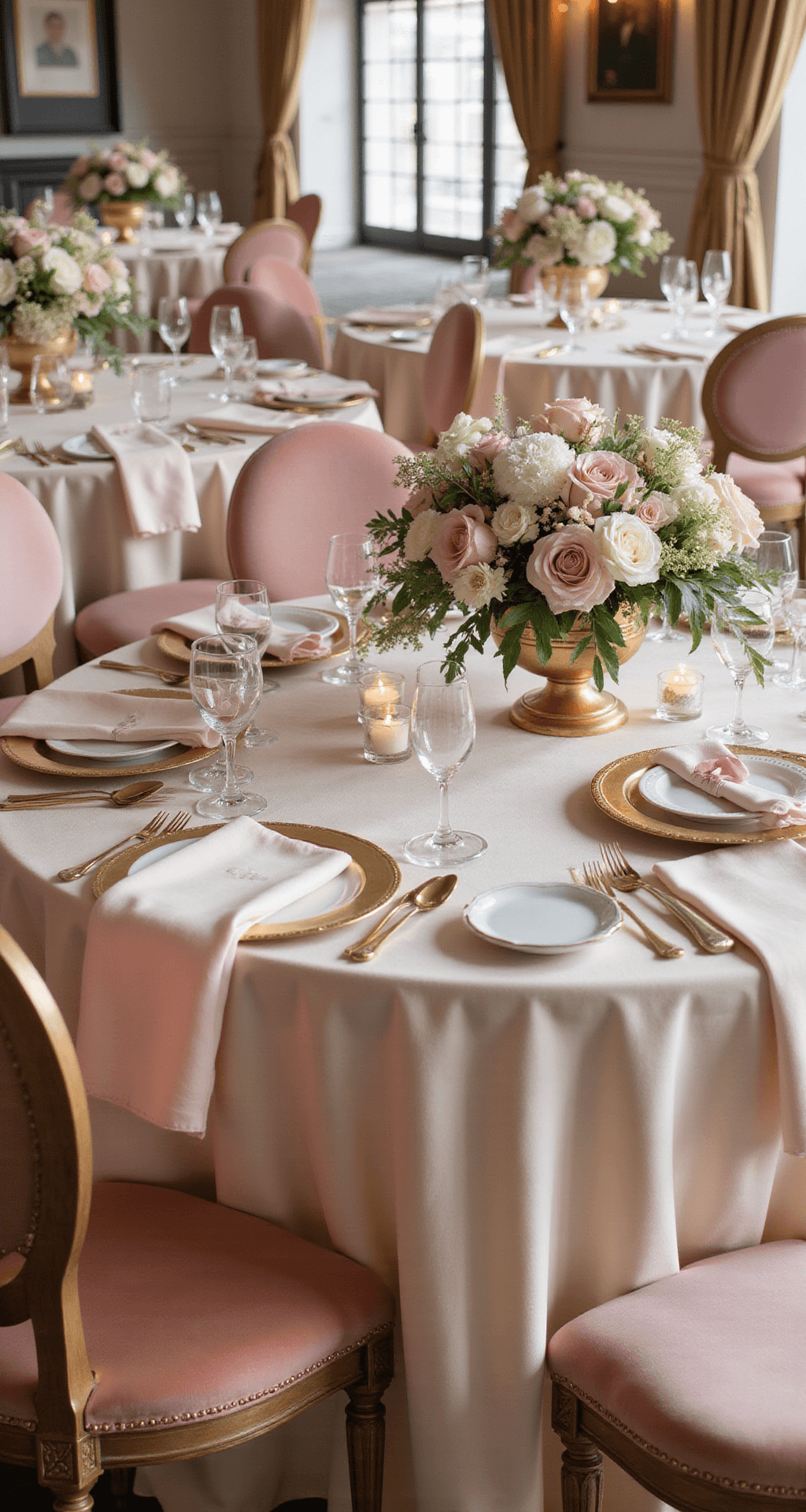
Quality linens make a massive difference. Cheap linens look cheap, period. They wrinkle, they stain easily, and they’ll haunt your photos. Invest in proper wedding tablecloths and linens that actually drape well. Cotton blends work great for most settings. Velvet is stunning but harder to clean. Satin has that formal gloss that photographs beautifully.
Centerpieces: The Conversation Starters
Here’s the thing about centerpieces—they need to look good AND not block your guests’ sightlines. Nothing’s worse than watching someone try to peer around a massive floral tower to see their date across the table.
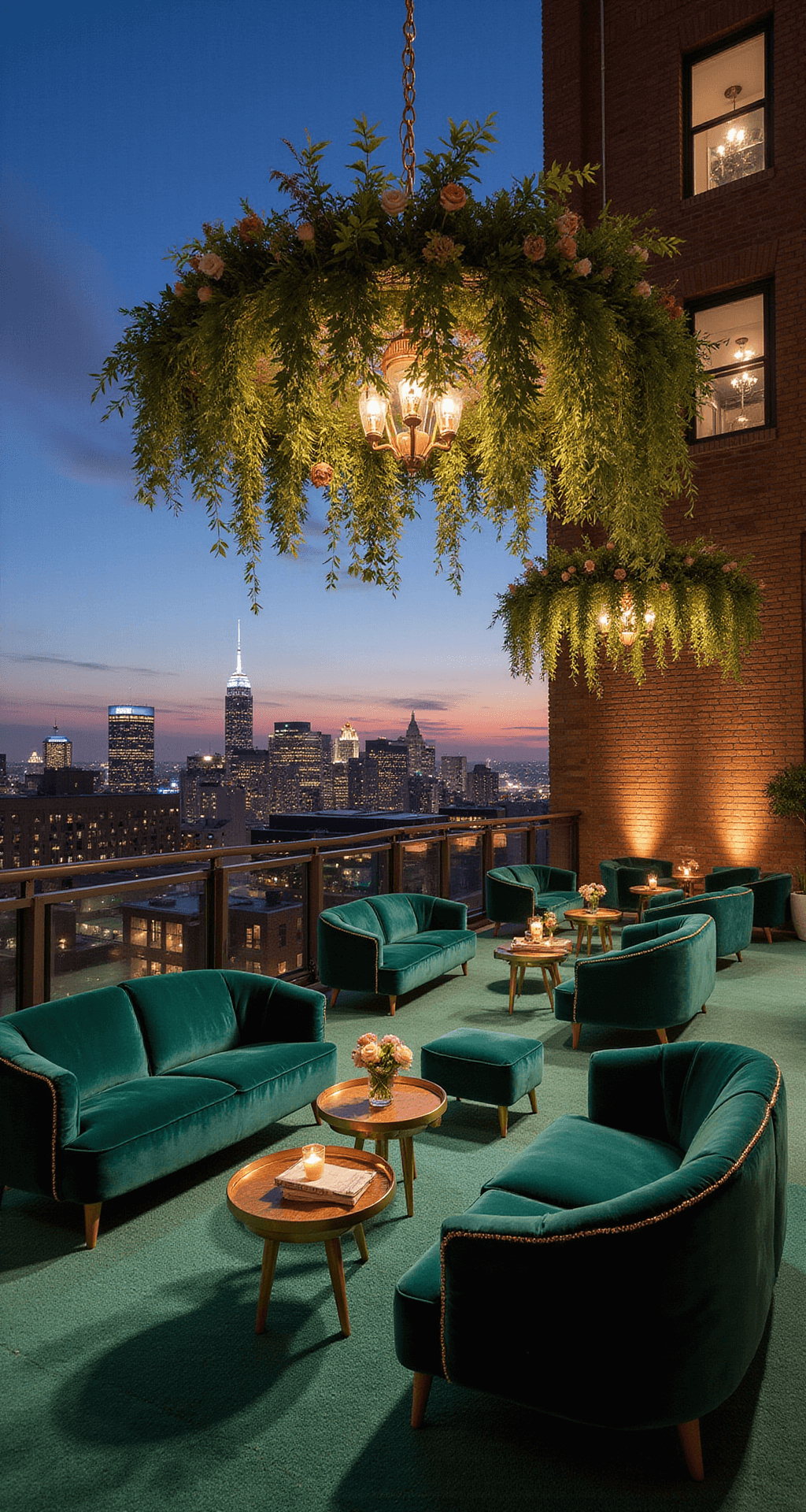
Traditional floral arrangements are the go-to for a reason. They’re elegant, they smell incredible, and they photograph like dreams. But here’s what most people don’t realize: fresh flowers wilt, they’re expensive, and if you’ve got guests with allergies, you’re creating problems.
The Practical Centerpiece Strategy
Low centerpieces (under 12 inches) let guests see each other while eating. Medium centerpieces (12-18 inches) work if they’re narrow enough. Tall centerpieces (over 18 inches) need to be on stands so people can see underneath. Most couples make the mistake of going too tall, too full, or too wide. Resist that urge. Simplicity reads as elegance. Clutter reads as stress.
Furniture and Seating: Setting the Mood
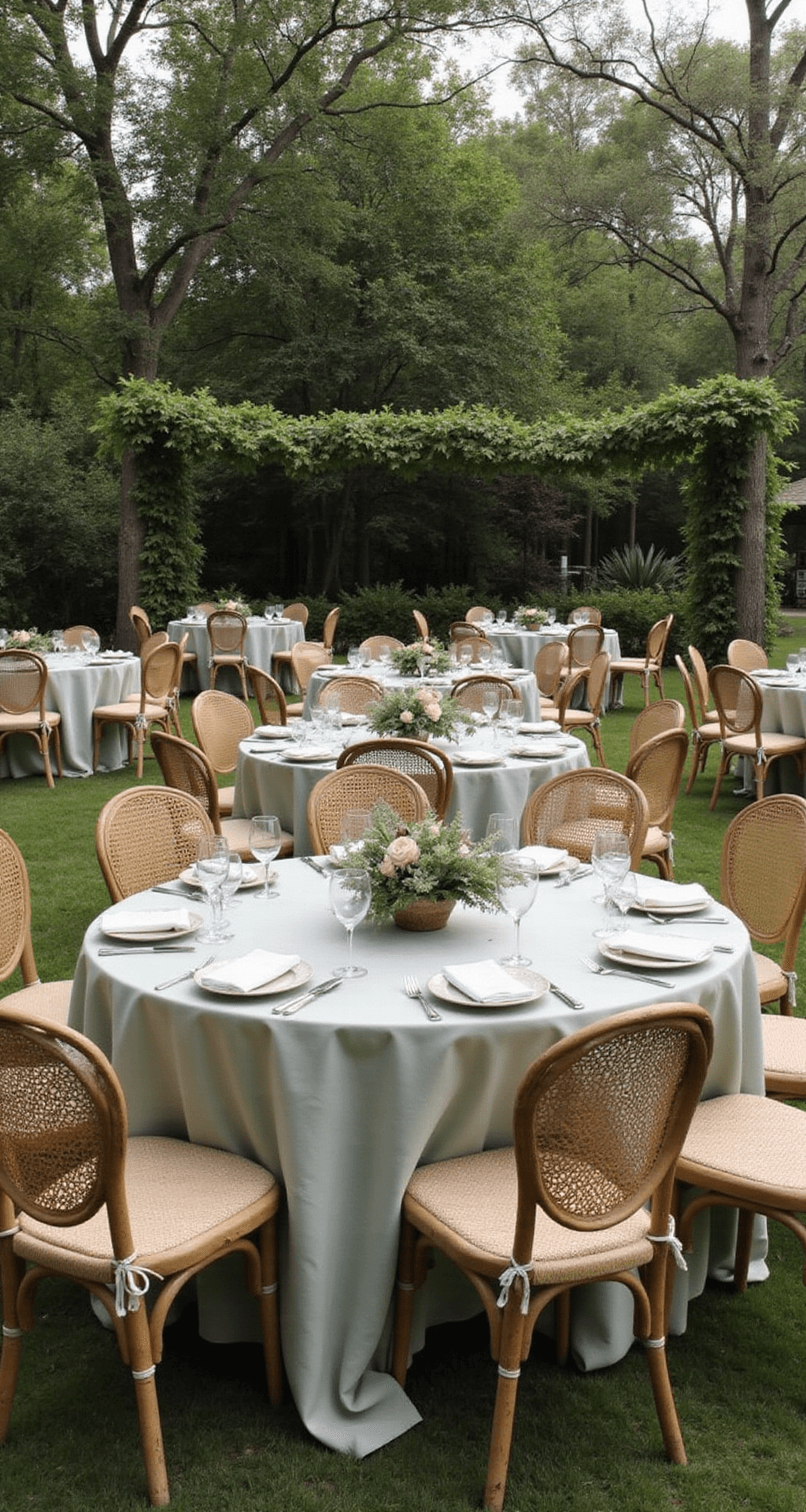
Your furniture choices literally set the physical tone of your reception. I’m not just talking about comfort (though that matters). I’m talking about vibe.
Chiavari Chairs and Beyond
If you’re renting chairs (most people are), Chiavari chairs are the industry standard for a reason. They’re lightweight, they photograph well, they come in tons of colors, and they’re not outrageously expensive to rent. But don’t feel locked into traditional seating. Mix chair styles. Your seating arrangements should make your guests comfortable and make your space feel intentional.
Overhead Design: The Wow Factor
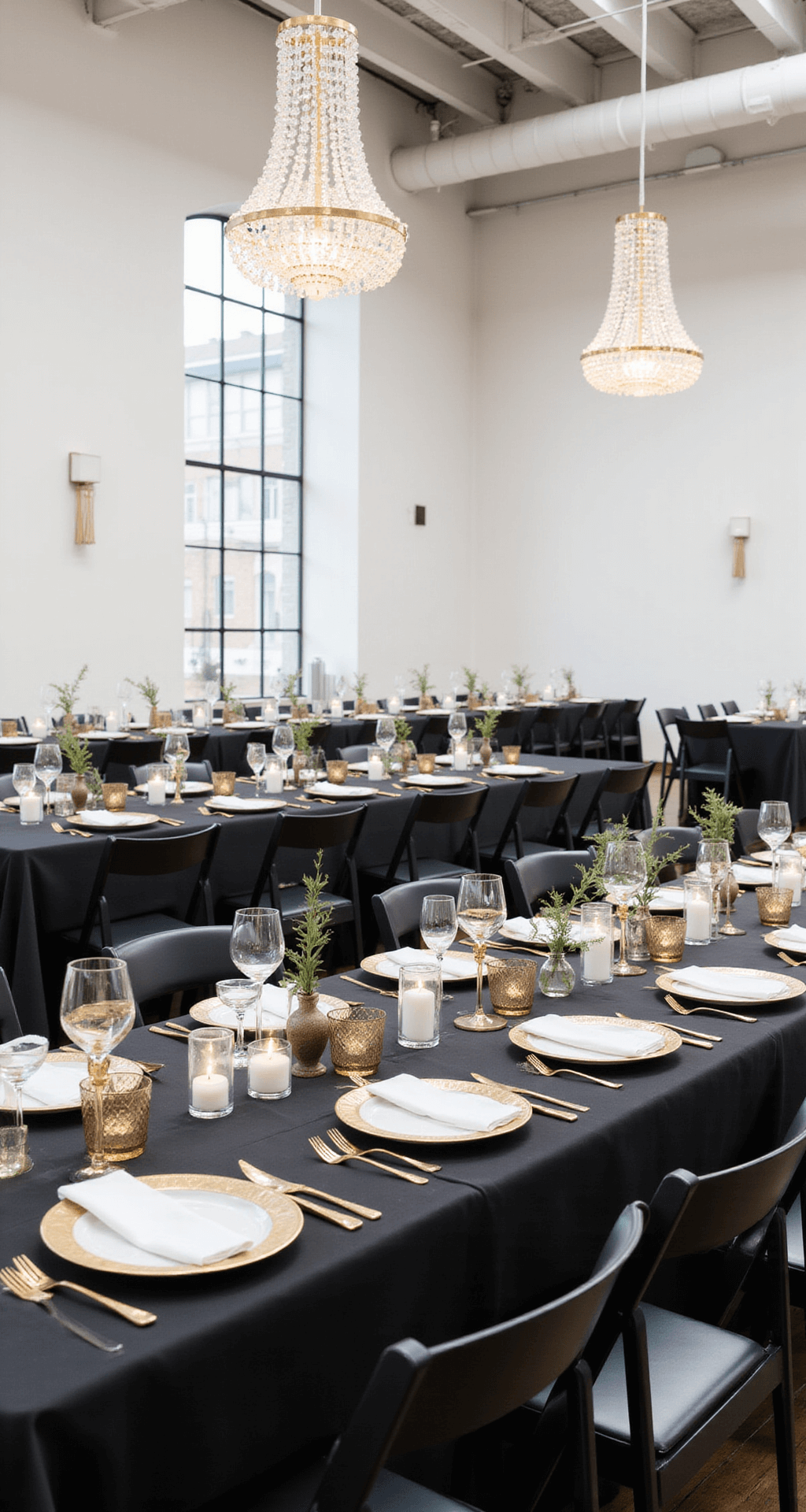
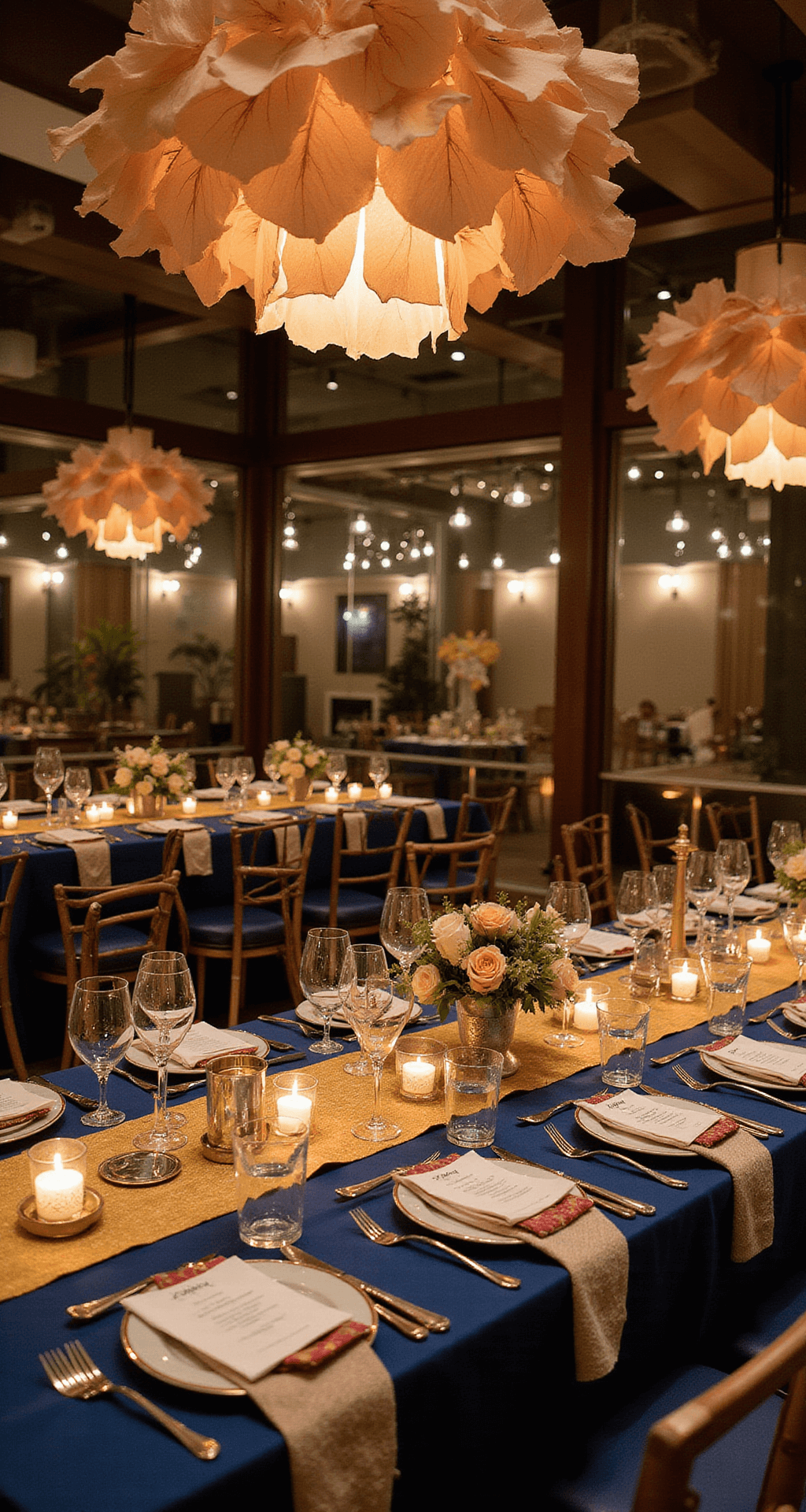
This is where people often underinvest, and it’s a huge mistake. Your guests will spend hours looking up at your ceiling and overhead space. Make it worth looking at.
Lighting as Decoration
Here’s something most people don’t think about: lighting IS decoration. Harsh overhead lights flatten everything and make your carefully chosen linens and flowers look dull. Invest in warm string lights or uplighting that highlights your color scheme. Candlelight (real or LED) softens everything and makes people look better.
Color Schemes: Finding Your Palette
You need a color scheme. Full stop. This doesn’t mean everything has to match perfectly, but your palette should tie everything together.
Timeless Combinations That Work Every Time
Pale pink with neutrals (grey, white, beige) creates a soft, romantic feel that appeals to most people. It’s elegant without being flashy. It photographs beautifully in any lighting.
Design Approaches That Make It All Cohesive
Layering Textures
Here’s where amateurs fall flat and professionals shine: texture. Your decor shouldn’t be all smooth or all matte or all shiny. Mix velvet with wood, metals with greenery, matte surfaces with glossy ones. This is what makes a space feel designed rather than decorated.
Details That People Remember
Guests forget the food (unless it’s bad). They forget the music (unless it’s terrible). But they remember the details. Personalized napkins with guest names show that you actually thought about them individually. It’s such a small thing that makes such a big impact.
Putting It All Together: Your Reception Decor Checklist
Before you finalize anything, make sure you’ve covered these bases:
- Color scheme locked in? Do you have swatches of everything?
- Linens ordered and tested in your venue’s lighting?
- Centerpieces planned and sourced? Have you checked for allergy concerns?
- Overhead design planned? Have you confirmed your venue allows these installations?
- Lighting designed? Have you talked to your venue about available outlets and options?
- Furniture selected and quantities confirmed?
- Focal points (stage, bar