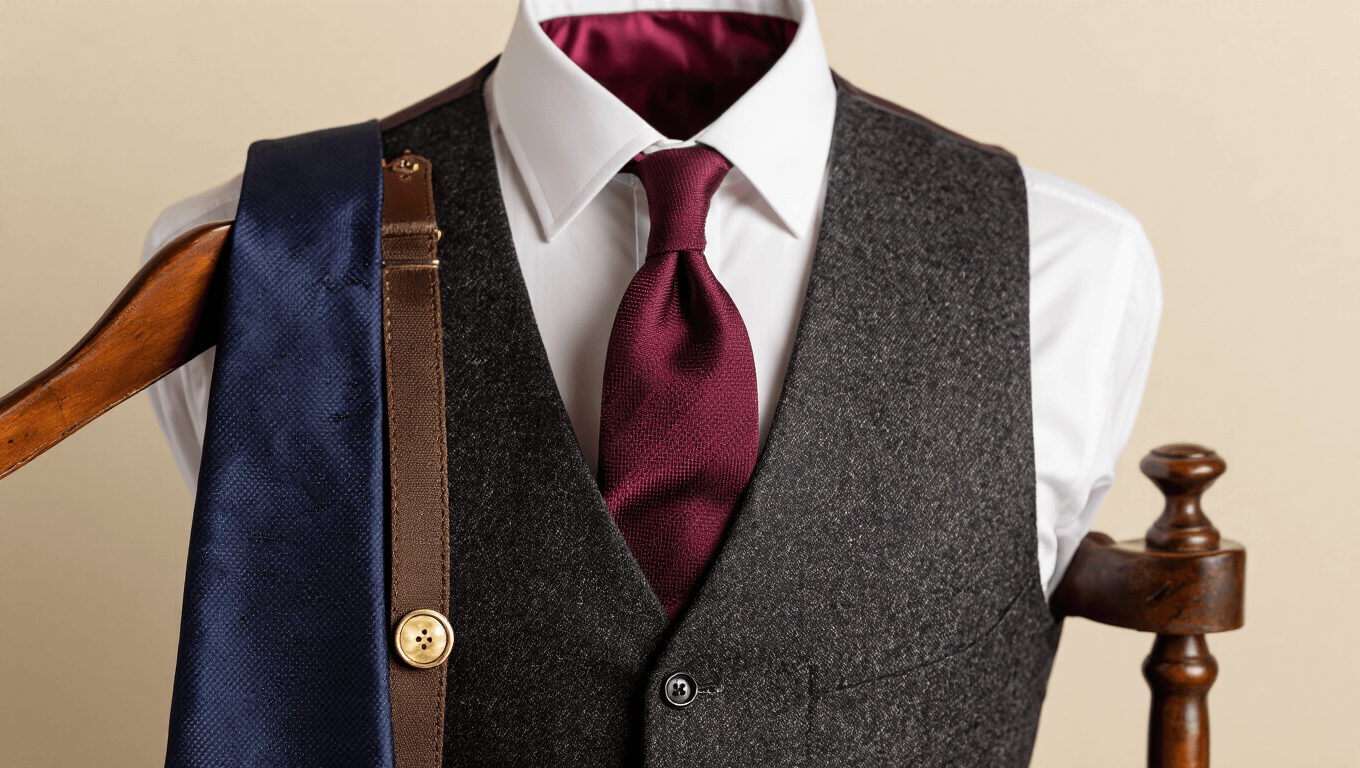
Achieving the Perfect Tailored Waistcoat Look
Achieving the Perfect Tailored Waistcoat Look
Contents
I’m gonna be straight with you—nailing a tailored waistcoat look isn’t as complicated as everyone makes it seem, but it does require you to pay attention to a few key things.
And honestly, once you get it right, you’ll feel like a million bucks every time you wear one.
I remember the first time I tried styling a waistcoat and totally messed it up because I didn’t know about the whole “bottom button” rule.
Yeah, that was embarrassing.
But now that I’ve figured out what actually works, I’m sharing everything with you so you don’t make the same mistakes I did.
Let’s dive in.
Why Fit and Proportion Matter More Than You Think
Look, I can’t stress this enough—the fit is literally everything when it comes to a tailored waistcoat.
You could have the most expensive waistcoat in the world, but if it doesn’t fit you right, it’s gonna look terrible.
And trust me, people notice.
Getting the Body Fit Just Right
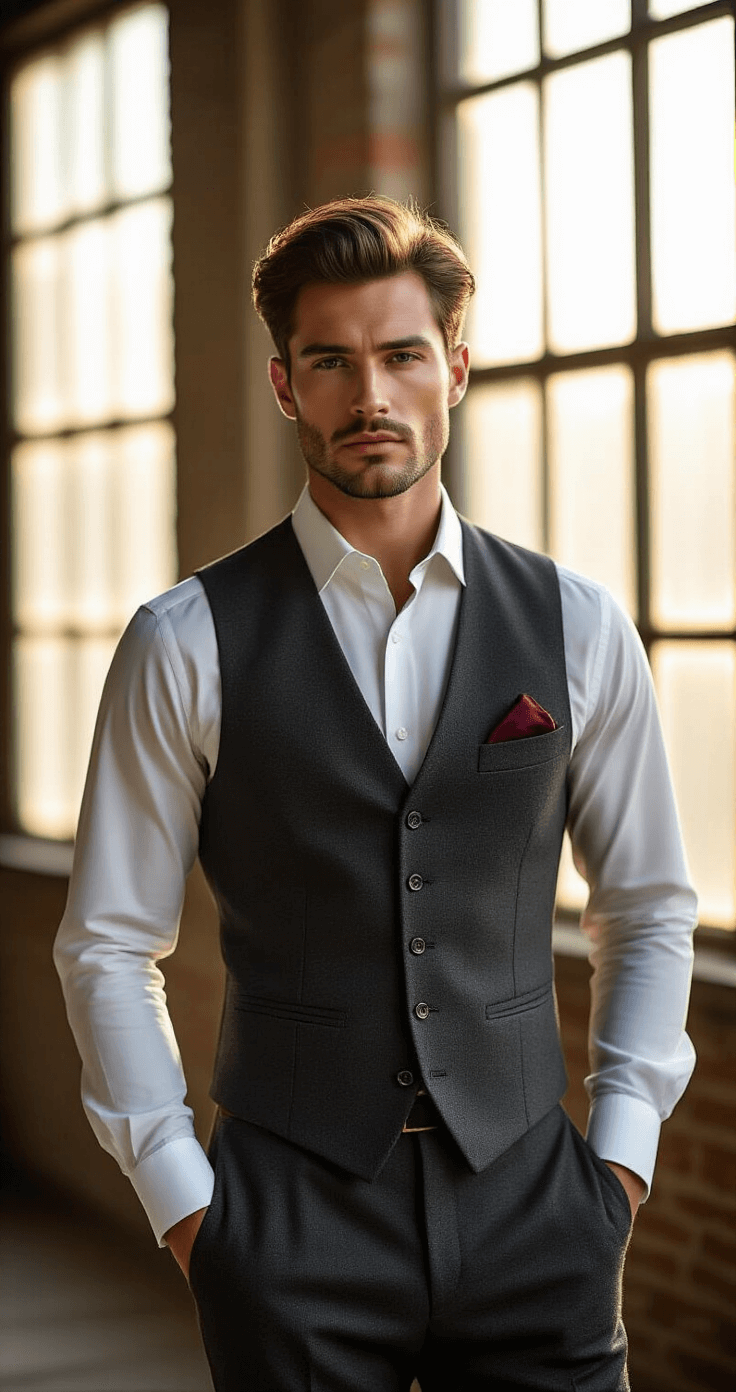
Your waistcoat should hug your body without squeezing the life out of you.
It needs to sit close enough that you look sharp and put-together, but not so tight that the buttons are pulling or you can’t breathe properly.
I’ve seen so many people wear waistcoats that are either way too loose (making them look sloppy) or so tight they look like they’re about to pop a button any second.
Neither is a good look.
When you try on a tailored waistcoat, move around a bit.
Lift your arms, sit down, stand back up.
If the waistcoat shifts around too much or gaps open, it’s not the right fit.
Most waistcoats have this adjustable strap thing at the back that lets you tighten or loosen it a bit.
That’s helpful, but don’t rely on it completely because over-tightening can make the fabric bunch up weird in the back.
Length Is Actually the Most Important Thing
Here’s something I wish someone had told me earlier—length matters way more than you’d think.
Your waistcoat absolutely has to cover the waistband of your trousers.
Like, completely.
If even a tiny bit of your shirt shows between your waistcoat and pants, the whole tailored effect is ruined.
It just looks unfinished and sloppy.
The bottom of your waistcoat should hit right at your natural waistline, maybe just barely past it.
Not higher, not lower.
And here’s the thing that sucks—waistcoats can’t really be made longer if you need to alter them.
There’s only so much fabric to work with.
So if you’re shopping for one, pay extra attention to the length before you buy it.
Shoulder Seams Need to Line Up
This one’s pretty straightforward but people still get it wrong.
The shoulder seams of your waistcoat should sit right where your shoulders naturally end.
Not higher up on your shoulder (that’ll make you look stiff and restrict how you move), and definitely not hanging off past your shoulder (that just looks messy).
When the seams are in the right spot, everything else falls into place better.
Styling Your Waistcoat for Different Occasions
One of the best things about waistcoats is how versatile they are.
You can dress them up for fancy events or dress them down for more casual stuff.
But you gotta know how to style them right for each situation.
Formal Events and Fancy Occasions
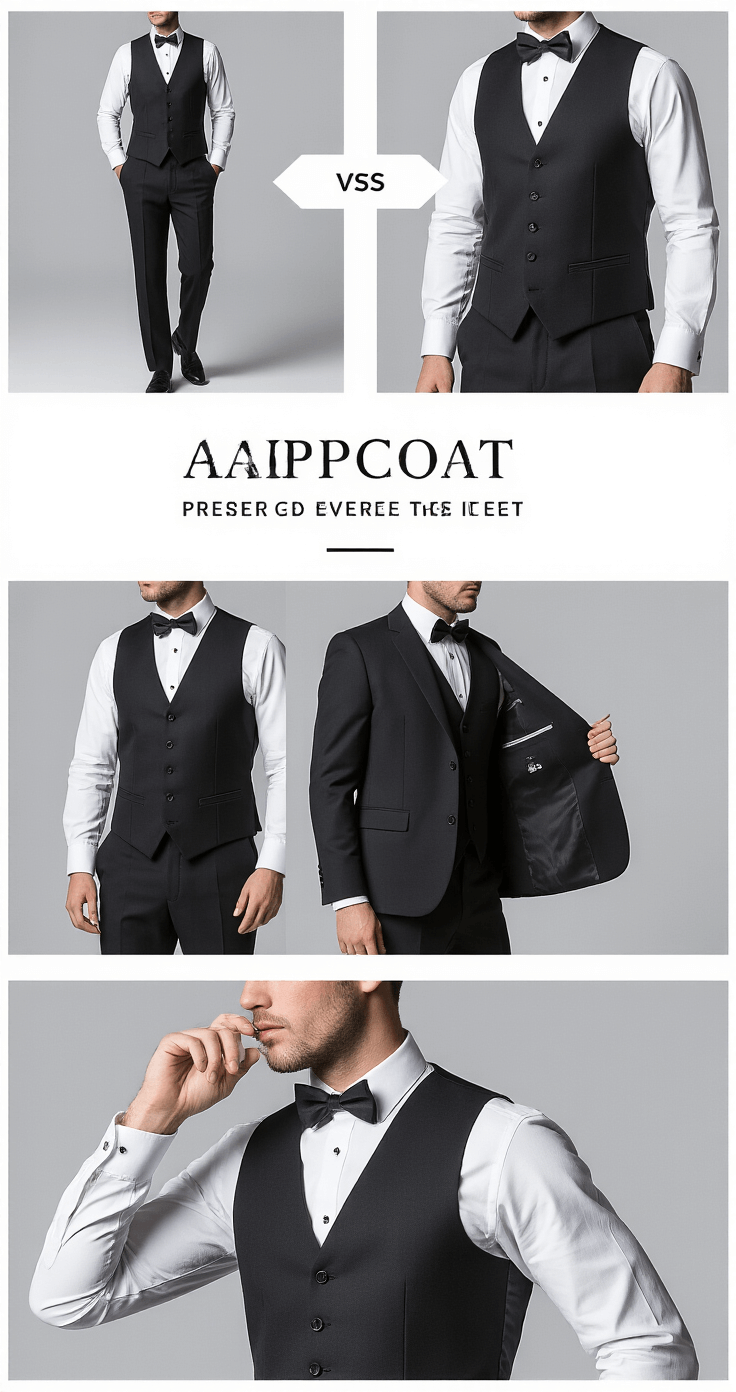
If you’re heading to a wedding, a black-tie event, or anything super formal, you want your waistcoat to be part of a three-piece suit.
Stick with darker, neutral colors like navy, charcoal, or black.
Pair it with a crisp dress shirt and either a classic silk tie or a bow tie.
This combo is timeless and always looks sophisticated.
I wore a charcoal three-piece to my cousin’s wedding last year and got so many compliments.
It just makes you look polished and put-together without even trying that hard.
Quick tips for formal styling:
- Dark, neutral colors only
- Always wear with matching suit jacket and trousers
- Add a tie or bow tie
- Keep it classic and simple

Business and Professional Settings
For work or business meetings, you want your waistcoat to match your suit trousers.
This creates what they call a “cohesive look,” which basically means everything flows together nicely.
If your trousers are beige, wear a beige waistcoat.
If they’re black, go with black.
You get the idea.
Muted tones work best in professional settings because they look refined without being too flashy or distracting.
I’ve found that adding a waistcoat to my work outfits makes me feel more confident during presentations.
There’s just something about looking sharp that gives you an extra boost.
Casual Weekend Wear
This is where you can have more fun with it.
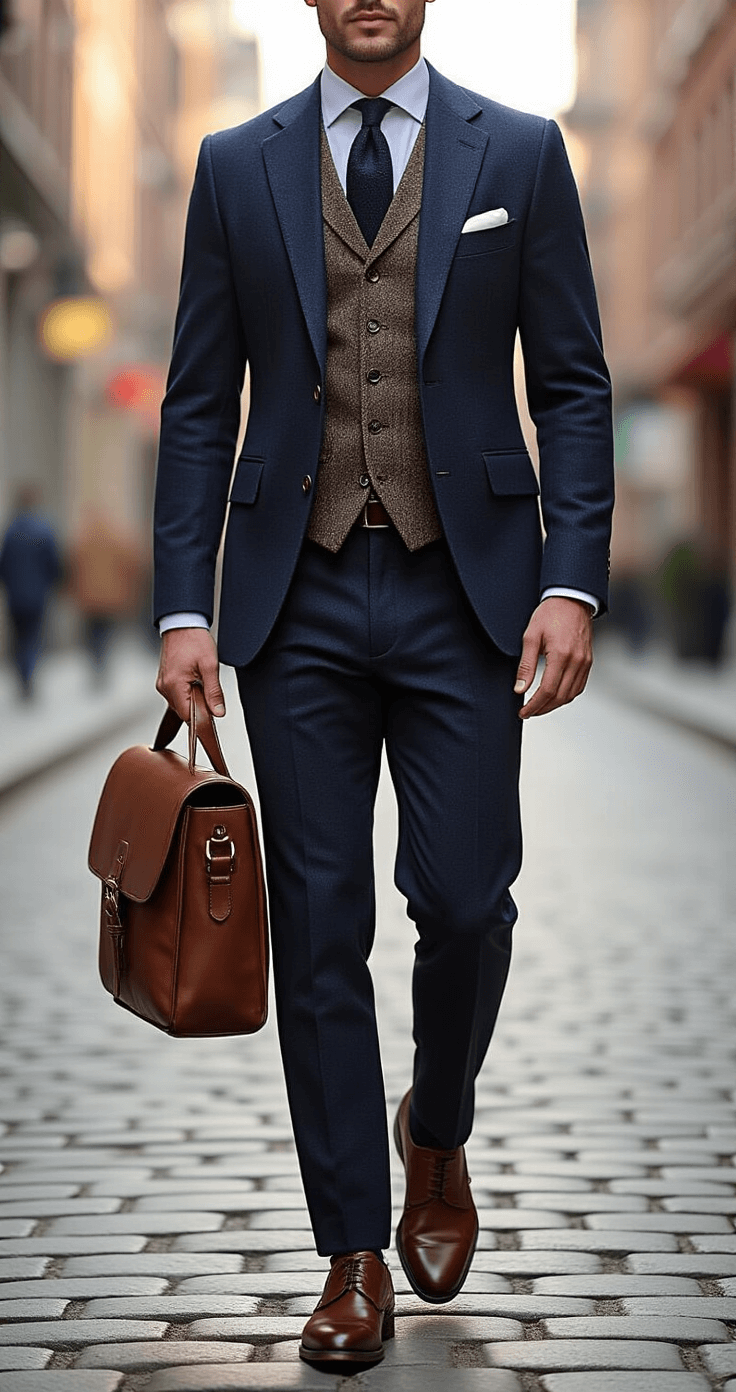
A textured waistcoat like tweed or herringbone looks amazing with jeans or chinos and a casual shirt.
You don’t need to wear a tie—you can leave your shirt open at the neck for a more relaxed vibe.
Or if you want to add a little something extra, throw on a knitted tie.
I love this look for brunch with friends or casual date nights.
It’s that perfect balance between looking like you made an effort but not like you’re trying too hard.
Casual styling ideas:
- Pair with dark jeans or chinos
- Try textured fabrics like tweed
- Skip the formal tie or go with a knitted one
- Leave your shirt collar open for a relaxed feel
Getting Adventurous with Pattern Mixing
Once you’ve got the basics down, you can start playing with patterns.
This is where things get really fun.
Try combining contrasting patterns—like wearing a plain waistcoat under a checked suit jacket, or a tweed waistcoat with a plain suit.
Add a tie in a contrasting color to make the whole thing pop.
Just make sure you’re not going overboard.
The goal is to look intentional and stylish, not like you got dressed