
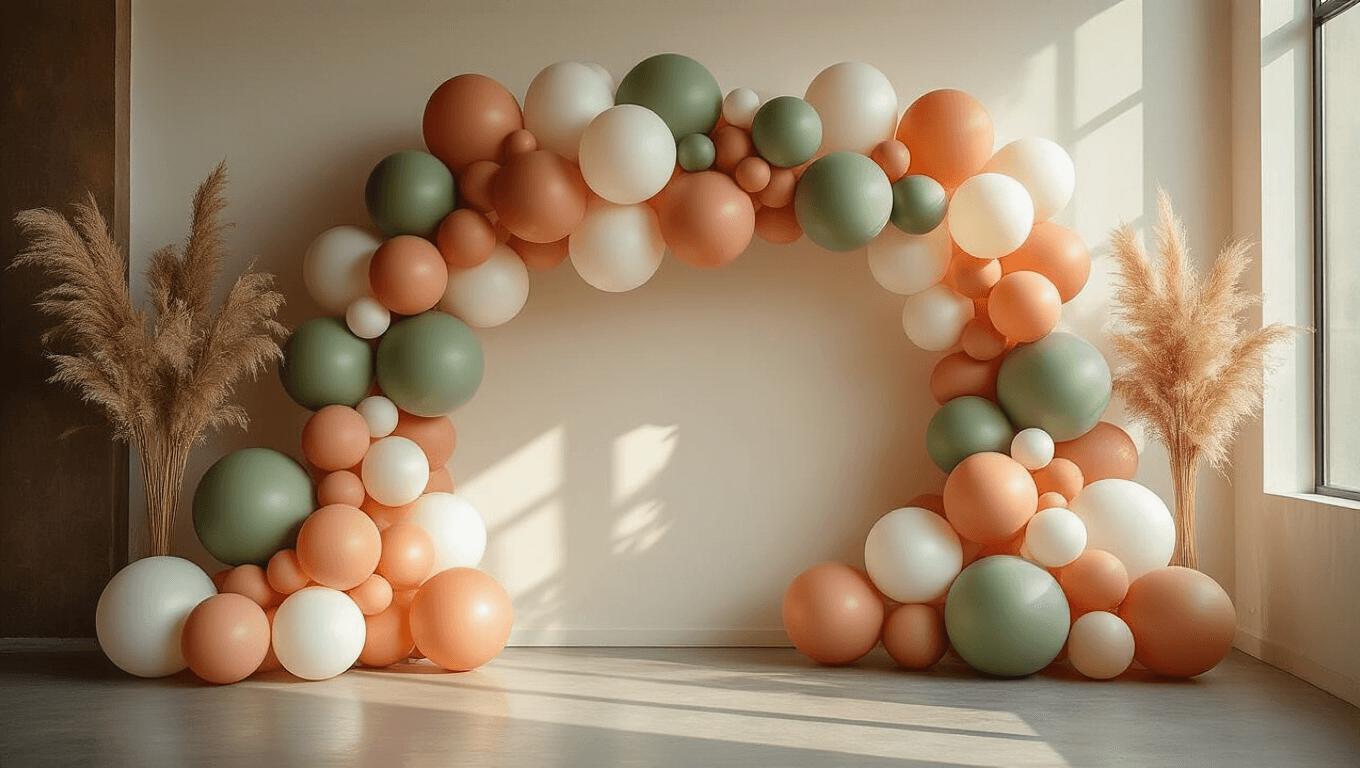
How to Stitch Balloons Together Like a Pro: My Complete Guide to Balloon Installations
What Does “Stitching Balloons” Actually Mean?
Contents
Look, when I first heard someone say “stitch the balloons,” I pictured myself with a needle and thread trying to sew latex together. Ridiculous, right?
Stitching balloons means connecting them securely to create arches, garlands, columns, or backdrops that actually stay put. No sewing involved. No hot glue disasters. Just smart techniques that professional balloon artists use to make installations that look expensive and hold up through entire events.
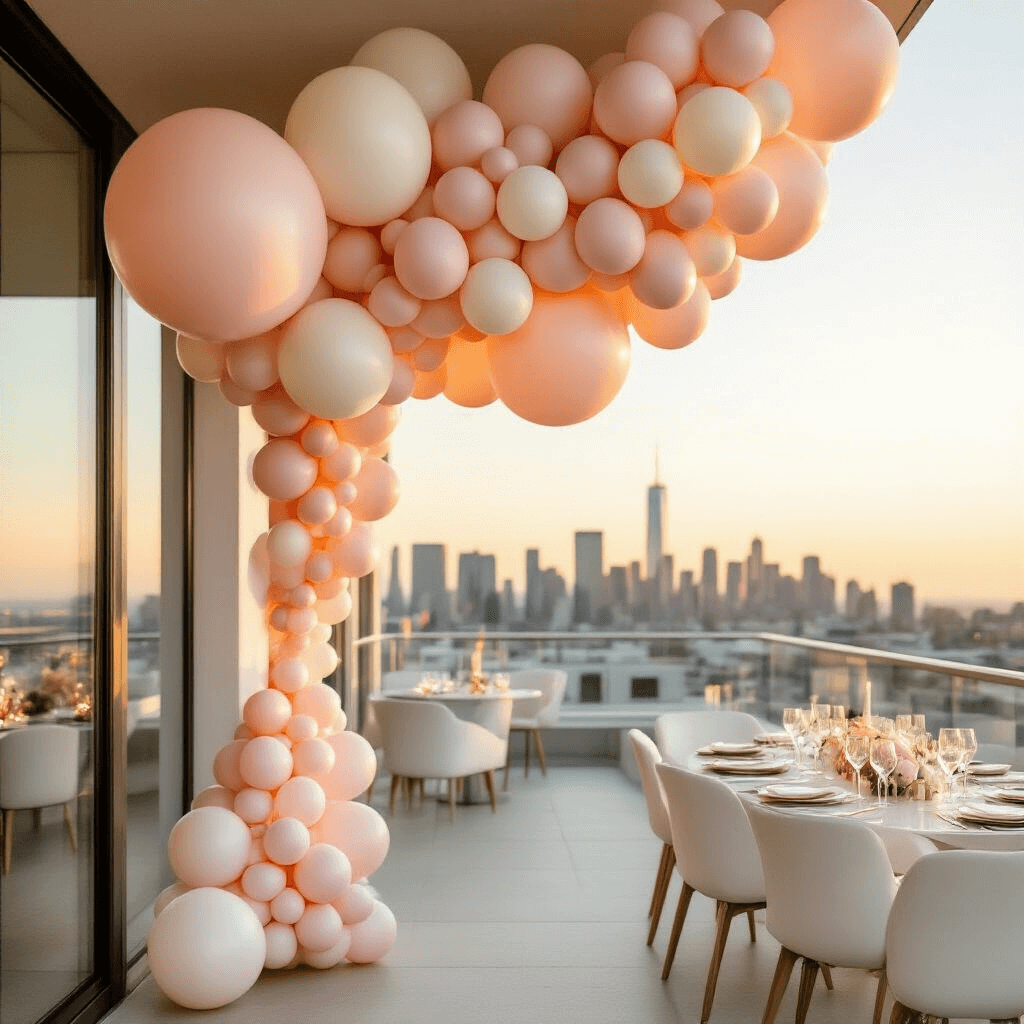
Why Your Balloon Garlands Keep Falling Apart
Before we get into the good stuff, let me address the elephant in the room. Your balloon installations probably look sad for these reasons:
- You’re using tape alone – it fails within hours
- You’re tying individual balloons – takes forever and creates weak points
- You’re skipping the connecting balloons – the secret weapon nobody tells you about
- You’re inflating balloons to different sizes – consistency matters more than you think
- You’re working on the ground – impossible to see what it’ll actually look like
I learned all of this the hard way at my niece’s baby shower when my “Instagram-worthy” balloon arch collapsed onto the cake table. Not my finest moment.
The H Method: My Favorite Technique for Foil Balloons
When I discovered the H Method, it changed everything about working with foil balloons.
Step 1: Grab Your Supplies
- 260Q modeling balloons in colors that match your scheme
- Balloon stretchy tape
- Your inflated foil balloons
- Ribbon in coordinating colors
Step 2: Create the H Pattern
Take your first foil balloon and tie a 260Q balloon to it securely. Place a strip of stretchy tape vertically down the middle of your second foil balloon. Add another piece horizontally across the end. Add a third piece to complete the H shape. This creates two solid connection points instead of one wimpy spot that’ll fail when someone bumps into your installation.
Step 3: Connect and Reinforce
Tie the balloons together with a small knot in the ribbon. This takes pressure off the tape so it doesn’t have to do all the heavy lifting. Cross the balloons over each other twice at the connection point. The double-cross technique distributes weight evenly and prevents that annoying twisting that makes installations look sloppy.
Why This Works So Well
The H Method gives you redundancy. If one connection point weakens, you’ve got backup. I’ve used this technique for outdoor events where wind was trying its absolute best to destroy my work, and those balloons held strong for six hours straight.
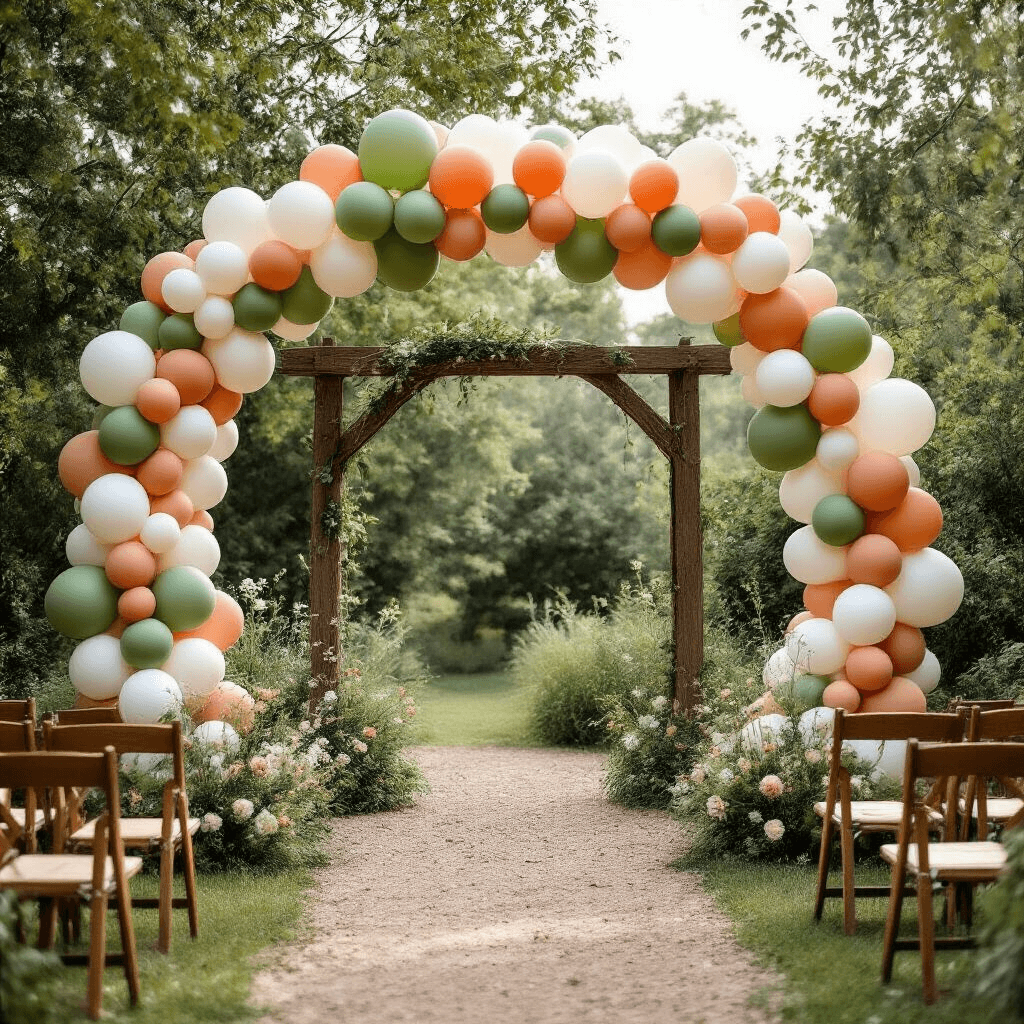
The Cluster Method: Building Organic Balloon Garlands
Cluster technique is what creates those lush, full garlands that look professionally done. I resisted learning this for way too long because it seemed complicated. Turns out, it’s actually easier than fighting with individual balloons.
Creating Your Base Clusters
Start with 11-inch latex balloons in your main colors. Inflate two balloons to exactly the same size (this matters more than you’d think). Tie them together by their necks. Twist them twice to secure. Repeat with two more balloons in a contrasting or complementary color. Now take both pairs and twist them together to create a four-balloon cluster. This is your building block.
Adding Dimension with Different Sizes
Here’s where it gets fun. Add 18-inch balloons to some clusters for visual interest. Mix in 5-inch balloons to fill gaps later. The size variation creates that organic, expensive look instead of the rigid, amateur vibe. I learned this after making a garland where every balloon was identical. It looked like a factory production line, not a celebration.
The Secret Connector: 260Q Balloons
This is the game-changer nobody talks about. Take a 260Q balloon and wrap it around two or three balloons in your first cluster. Then wrap the same 260Q around multiple balloons in your second cluster. You’re basically lacing the clusters together. This creates flexibility while maintaining structure. Your garland can curve and drape naturally instead of looking stiff and weird.
Multiple Connection Points Are Everything
Don’t rely on a single connection between clusters. I make at least three to four connection points using different 260Q balloons. Yes, it takes an extra ten minutes. No, you won’t regret it when your garland survives the entire event without gaps appearing.

Filling Gaps Like a Professional
Even with perfect technique, you’ll have gaps. It’s normal. Here’s how I handle them:
Wait Until the Structure is Complete
Don’t try to fill gaps as you build. You can’t see where they’ll actually be until the whole thing is assembled. Hang or position your garland first. Step back and identify the problem areas.
Use Small Balloons Strategically
Those 5-inch balloons I mentioned earlier? This is their moment. Inflate them slightly smaller than full size for easier insertion. Tie them onto existing balloons near the gaps. Tuck them into spaces where the structure shows through.
The Poke-and-Tuck Method
Sometimes you need to get a balloon into a tight spot. Deflate it slightly after tying. Poke it into the gap. Gently position surrounding balloons to hold it in place. I’ve saved installations that looked hopeless with this technique.
Common Mistakes That Make Your Work Look Amateur
I’ve made every single one of these mistakes multiple times.
Mistake #1: Inconsistent Inflation
Your balloons need to be the same size within each size category. Get a balloon sizer. Use it religiously. The difference between professional and DIY is consistency, not skill.
Mistake #2: Using the Wrong Balloons
Not all latex balloons are created equal. Cheap balloons oxidize quickly and look cloudy within hours. They also pop more easily. Invest in quality balloons for important events. Your reputation depends on it.
Mistake #3: Building Everything on the Floor
I spent three hours on a massive arch on my living room floor. When I hung it