
Sage Green Wedding Decor: The Complete Guide to Creating an Enchanting Botanical Celebration
Sage Green Wedding Decor: The Complete Guide to Creating an Enchanting Botanical Celebration
Sage green wedding decor is having a major moment, and honestly, I get it.
There’s something about this soft, muted green that makes every wedding feel like it’s been plucked straight from a garden editorial.
But here’s the thing: pulling off sage green decor requires more than just throwing green napkins on tables and calling it a day.
You need to understand how to layer it, balance it, and photograph it in a way that makes people stop scrolling and actually engage.
I’m going to walk you through everything—from the exact color palettes that work to the tools you’ll need, the styling techniques that actually elevate a space, and how to capture it all beautifully.
Why Sage Green Is Dominating 2026 Wedding Trends
Let me be real with you: sage green isn’t trendy because it’s flashy.
It’s trending because it works.
This muted, dusty shade of green sits perfectly between nature and sophistication.
It doesn’t scream.
It whispers.
And that’s exactly what modern couples are looking for right now.
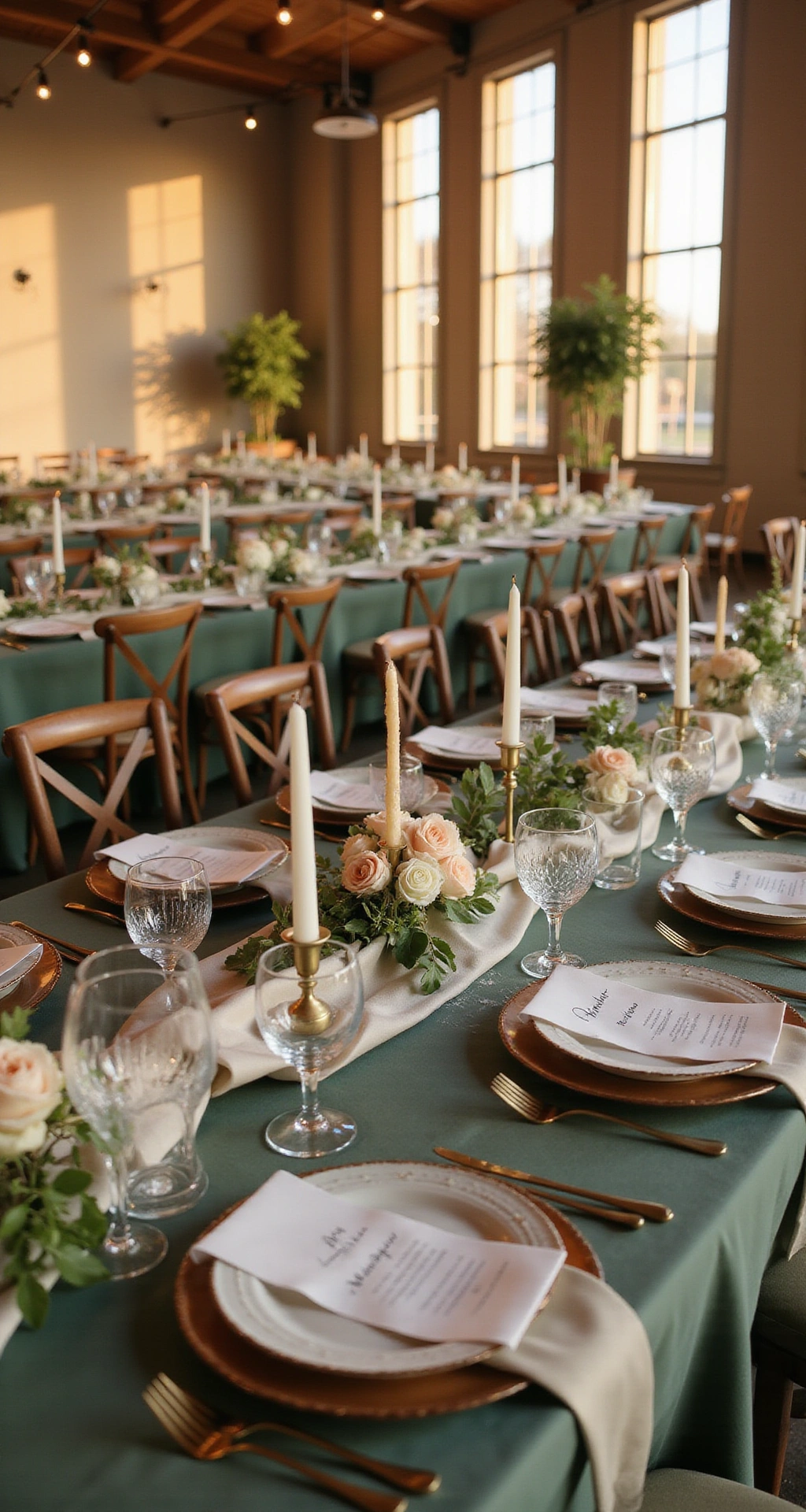
Sage green plays well with virtually every accent color you throw at it.
Blush pink becomes instantly romantic.
Dusty blue feels coastal and calm.
Terracotta and rust bring warmth and earthiness.
Lavender adds a dreamy, ethereal quality.
Champagne and gold make it feel luxurious.
The beauty of sage is that it adapts to your vision without demanding to be the center of attention.
Here’s what makes sage different from other greens:
- Eucalyptus and olive are warmer, more energetic variations
- Forest green is moodier and more dramatic
- Sage is the Goldilocks of greens—soft enough for romance, strong enough to anchor a space
According to 2026 color forecasts, dusty sage, ivory, and champagne are being positioned as the botanical garden-party combination that couples are gravitating toward.
That’s not accident—it’s because this palette actually makes spaces feel elevated without feeling stuffy.
The Essential Color Palettes That Actually Work
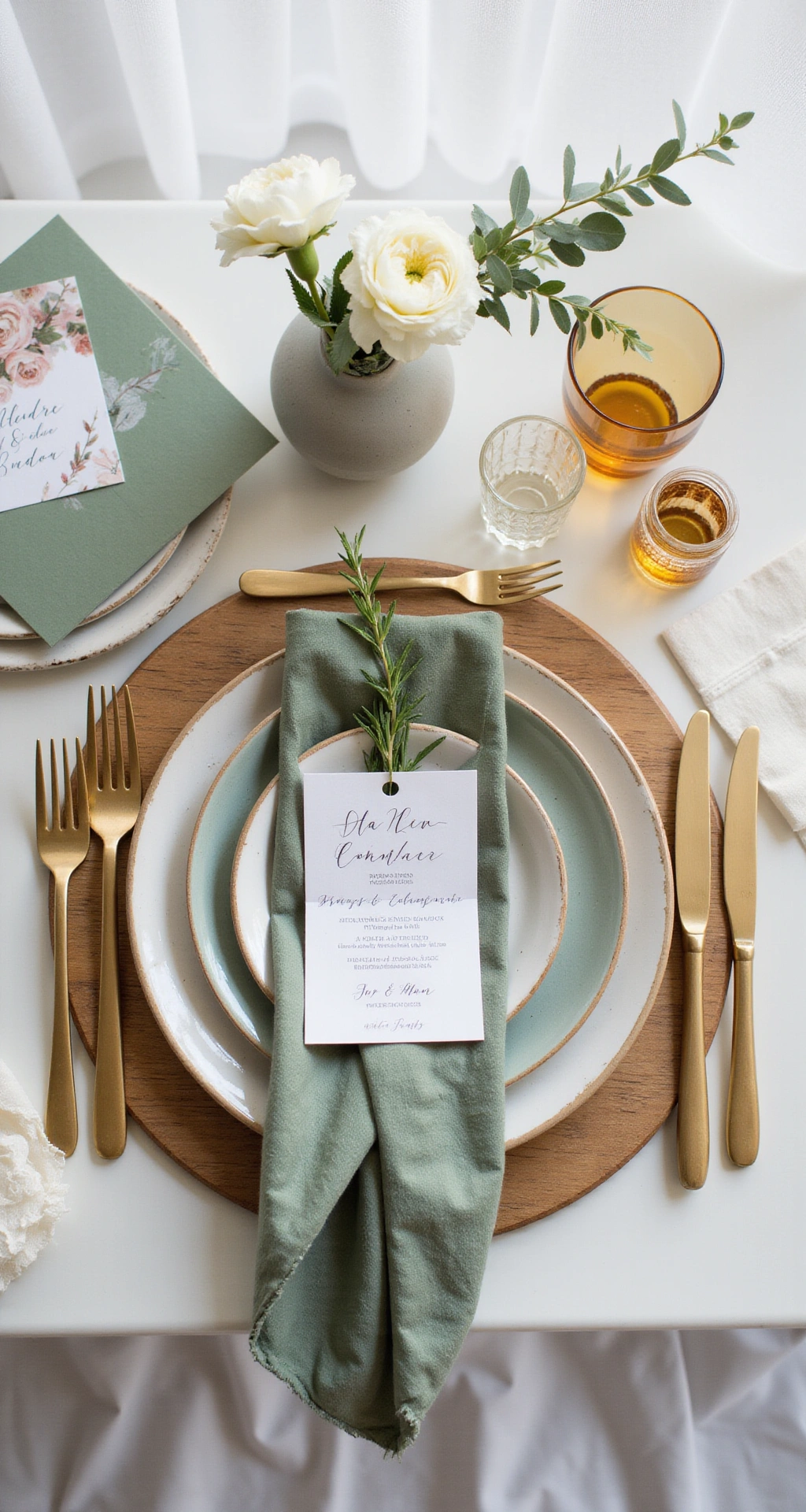
Before you start buying anything, you need to understand how to layer your sage green with complementary tones.
Using sage as your anchor color and then building outward is the difference between a room that looks styled and one that looks like someone dumped every shade of green into a blender.
The Romantic Palette: Sage, Ivory, Blush, and Champagne
This is the classic wedding combination, and there’s a reason it never goes out of style.
The softness of blush balances the cool undertones of sage, while ivory keeps everything light and airy.
Champagne adds just enough shimmer to feel special without being over-the-top.
This palette works best for:
- Garden ceremonies with soft, natural lighting
- Indoor venues with warm ambient light
- Spring and summer weddings
- Couples who want romance without drama
How to execute it:
Use sage as your primary color in linens and greenery (roughly 40% of your palette).
Save this article
Enter your email and we'll send it straight to your inbox.
Layer in ivory through tablecloths, ceiling elements, and florals (about 30%).
Add blush through flowers and accent linens (about 20%).
Finish with champagne metallics, candleholders, and chargers (about 10%).
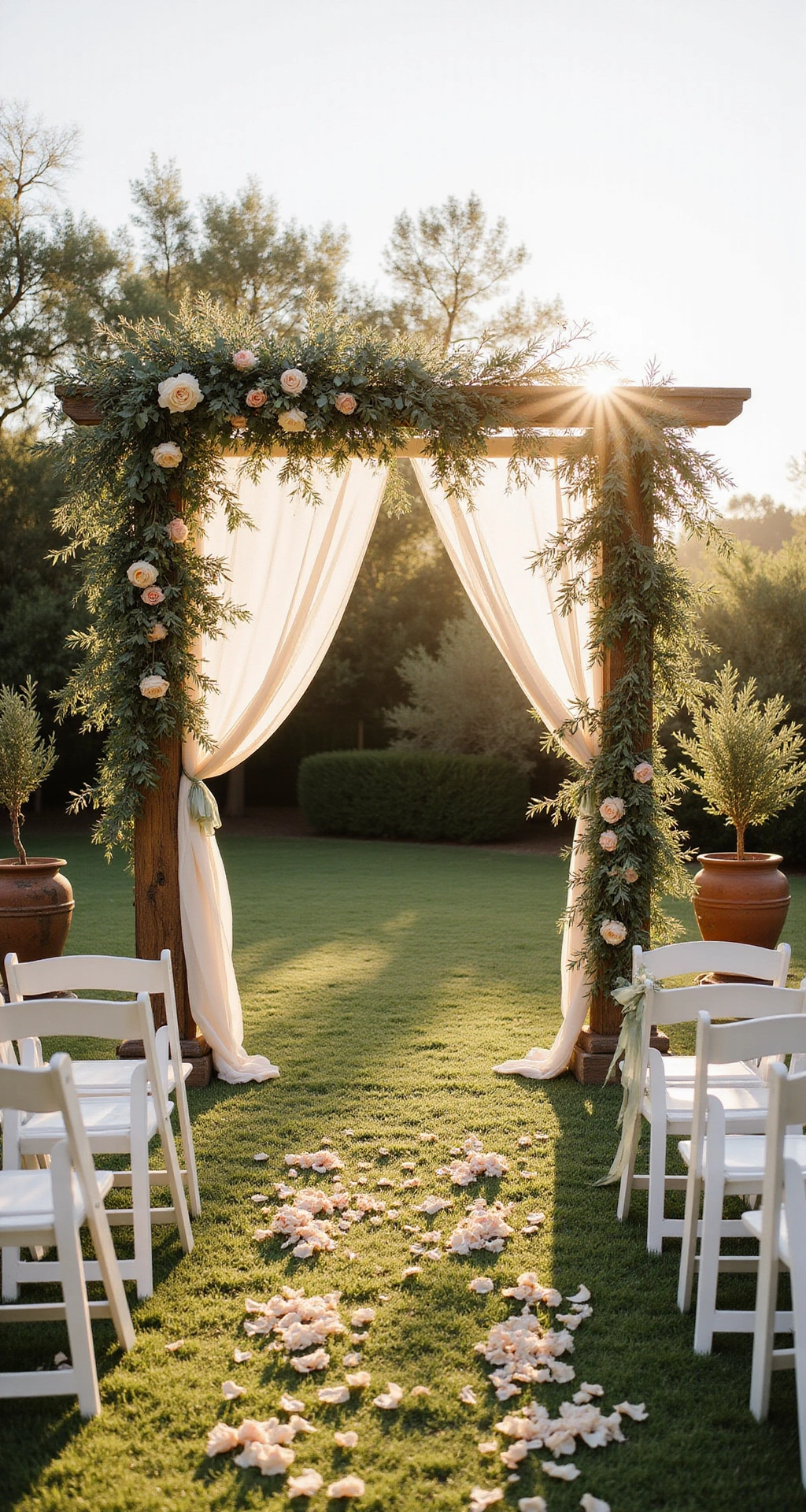
The Coastal Palette: Sage, Dusty Blue, White, and Silver
If you’re going for a fresh, breezy feel, this is your combination.
The dusty blue (not bright or navy, but soft and muted) creates a natural pairing with sage that feels like you’re bringing the ocean and garden together.
This palette works best for:
- Seaside or lakeside venues
- Modern, contemporary weddings
- Couples who love cool tones
- Outdoor receptions with plenty of natural light
How to execute it:
Keep sage and dusty blue balanced at 35% each.
Use white as your reset (20%).
Add silver accents through flatware, glassware, and metallic details (10%).
Don’t let the blue overpower the sage—they should feel like equal partners.
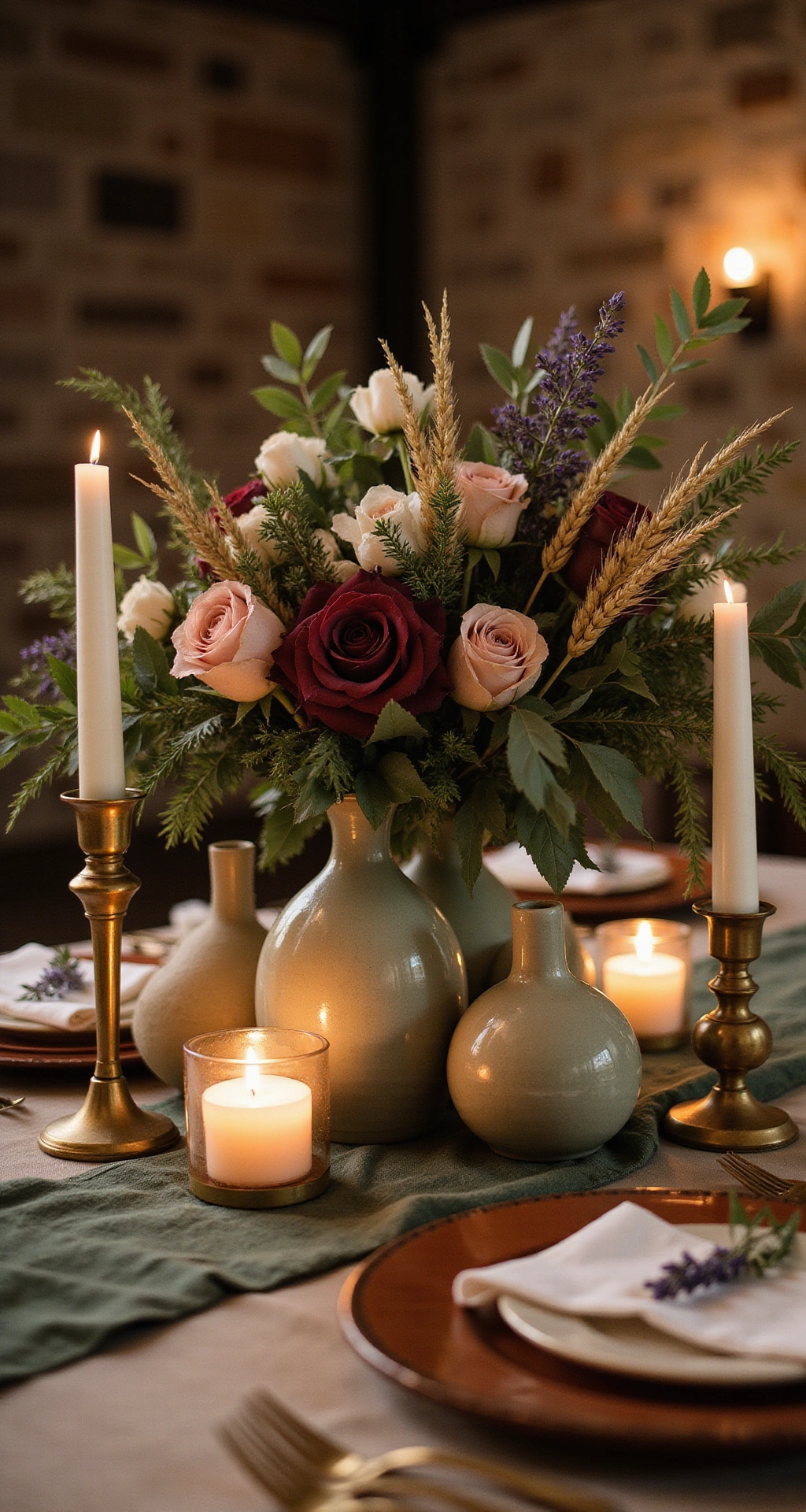
The Rustic Palette: Sage, Terracotta, Rust, Tan, and Natural Wood
This combination feels warm, grounded, and unpretentious in the best way possible.
The terracotta and rust create an earthy warmth that prevents sage from feeling cold or sterile.
This palette works best for:
- Barn and vineyard venues
- Autumn and late-summer weddings
- Rustic or boho-inspired celebrations
- Outdoor celebrations with lots of natural wood
How to execute it:
Use sage in linens and greenery (35%).
Let natural wood elements be significant (25%).
Add terracotta and rust through flowers, vessels, and accents (25%).
Bring in tan through chargers, linens, and neutral florals (15%).
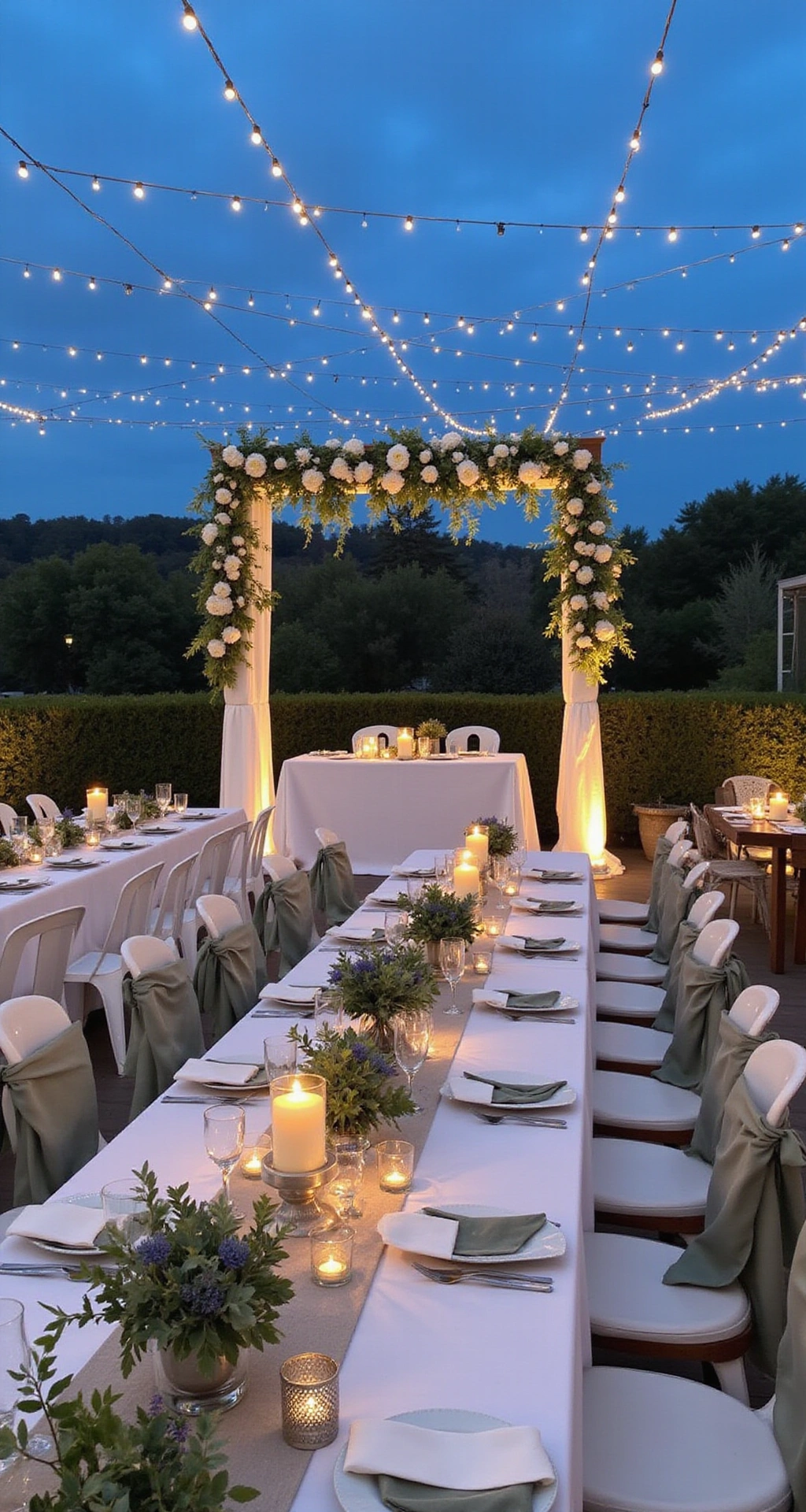
The Modern Luxury Palette: Sage, Crisp White, Charcoal, and Matte Gold
This one feels elevated and intentional without being pretentious.
The charcoal adds a sophisticated edge, while matte gold (not shiny brass, but soft matte finishes) keeps things feeling current rather than traditional.
This palette works best for:
- Hotel ballrooms and modern venues
- Black-tie affairs
- Couples who love clean lines
- Indoor receptions with controlled lighting
How to execute it:
Balance sage and white equally at 35% each.
Use charcoal for typography, signage, and accent details (20%).
Add matte gold through flatware, candleholders, and frames (10%).
Keep everything intentional
Want to keep this one?
We'll email you the link so you can find it again later.