
Sage Green and Blush Wedding: Your Complete Guide to Creating a Romantic, Timeless Celebration
Sage Green and Blush Wedding: Your Complete Guide to Creating a Romantic, Timeless Celebration
A sage green and blush wedding creates a soft, romantic, and timeless look that works beautifully for spring, summer, and even early fall.
You’re probably wondering if you can actually pull off this delicate color combination without it looking too trendy or fading into obscurity in a few years.
The honest truth?
Sage green and blush is one of the most elegant, versatile palettes you can choose, and it genuinely gets better with age.
I’ve styled dozens of these celebrations, and every single couple walks away with photos that feel like they stepped out of a high-end wedding magazine.
Let me show you exactly how to do it.
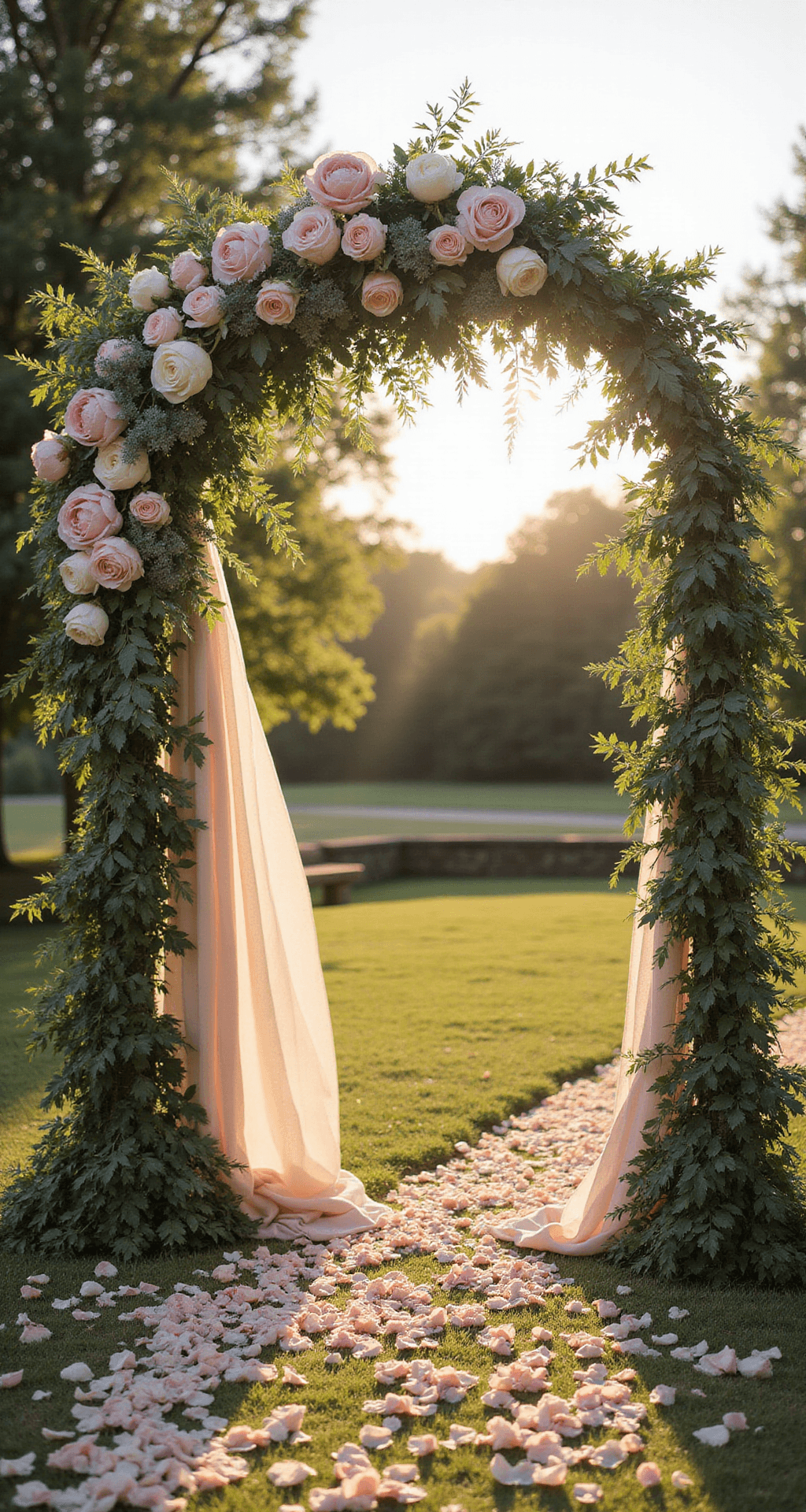
What Makes Sage Green and Blush So Special (And Why It Actually Works)
Sage green isn’t your typical forest green.
It’s pale, muted, almost grey-toned—the kind of color that whispers instead of shouts.
Blush pink is similarly understated, leaning soft peach rather than hot pink.
Together, they create something genuinely romantic without feeling overly feminine or saccharine.
The beauty is in the balance.
Sage grounds the palette and keeps it sophisticated.
Blush adds warmth and softness.
Ivory and white tie everything together into something cohesive and elegant.
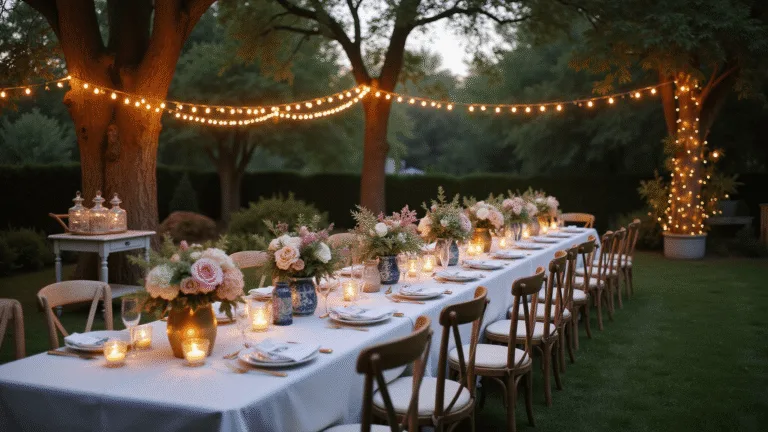
This palette works equally well in a sprawling garden, a rustic barn, or a grand ballroom.
It adapts beautifully across seasons.
Spring celebrations feel airy and fresh.
Summer weddings embrace the lush greenery.
Fall events deepen the blush toward dusty rose and warm things up with champagne metallics.
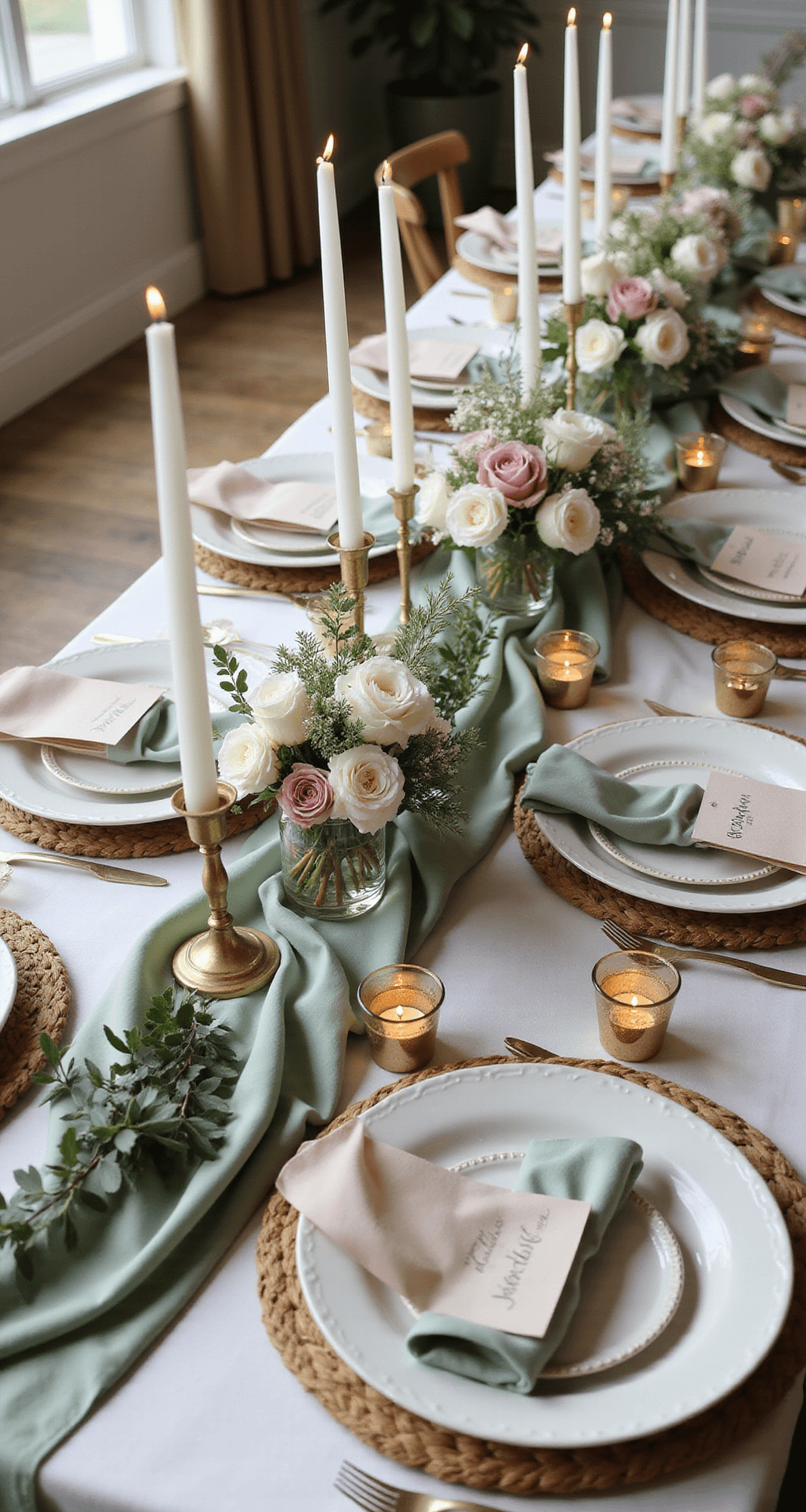
Real Talk: Time, Budget, and What You’re Actually Getting Into
Before you fall in love with this aesthetic, let’s talk logistics.
You need to know what you’re signing up for.
How Much Time Does This Actually Take?
For photographers and content creators:
You’re looking at 6 to 8 hours on the actual wedding day.
Add another 45 to 90 minutes beforehand for detail shots and flat lays.
The “getting ready” shots? 30 to 60 minutes minimum.
Then comes post-production.
Culling through hundreds of images, editing for that consistent soft, airy look, exporting for different platforms, and optimizing for Pinterest and Instagram?
That’s another 6 to 12 hours, depending on how many photos you took.
For decor styling:
Ceremony and reception setup takes 2 to 4 hours depending on complexity.
If you’re doing tablescaping and florals yourself, add another 1.5 to 3 hours.
Keep in mind: actual timelines depend entirely on how intricate you want to get.
Simple greenery runners and candles? Faster.
Elaborate floral installations and hanging elements? Plan for the longer end.
What’s the Budget Reality?
Budget-friendly option (basic setup):
Basic linens in ivory, simple eucalyptus greenery, blush bud vases, and candles.
You’re probably spending $500 to $1,500 total on decor for a small to medium event.
Save this article
Enter your email and we'll send it straight to your inbox.
Mid-range (what most couples actually choose):
Mix of real and faux florals, custom signage, upgraded chairs and chargers, a modest ceremony arch.
Expect $1,500 to $4,000 depending on guest count and venue size.
Luxury (go all out):
Abundant fresh florals, a statement floral arch or hanging installations, premium linens, custom stationery suite, specialty rentals.
You’re looking at $4,000 and up.
The good news?
Sage and blush genuinely look expensive even at mid-range budgets because the colors are inherently sophisticated.
You don’t need to break the bank to achieve that “wow” factor.
Difficulty Level: Honest Assessment
Overall difficulty is moderate.
You can absolutely DIY this if you’re willing to put in the work.
Easier items to handle yourself:
Linens, candles, signage, simple greenery runners.
More advanced (consider hiring help):
Floral arches, hanging installations, complex centerpieces.
If you’re short on time or patience, this is where to splurge.
A good florist can work wonders and free you up to focus on other details.
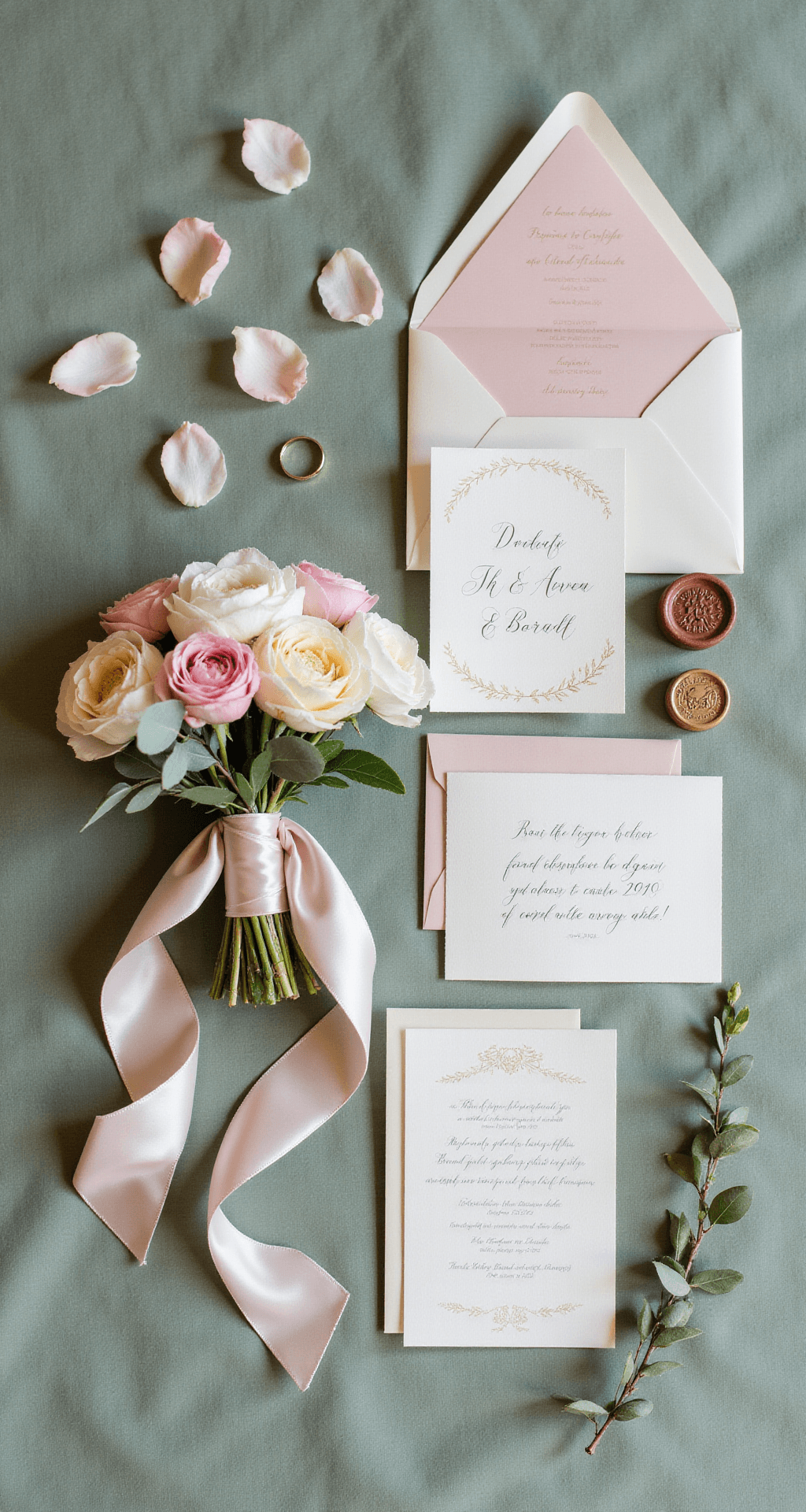
Building Your Sage Green and Blush Color Palette
This is where precision matters.
You can’t just grab “green” and “pink” and hope for the best.
The Core Palette
Your foundation is sage green, blush, and ivory or white.
These three colors should appear throughout your entire event—in linens, flowers, stationery, and decor.
They’re your anchors.
Accent Colors That Elevate Everything
Add soft gold or champagne metallics.
These warm up the palette without overwhelming it.
Include warm wood accents (think natural wood table numbers or signage stands).
A hint of dusty rose adds depth, especially if you’re planning a fall celebration.
Greenery Strategy
Don’t rely on just one shade of green.
Mix multiple greenery tones to enhance that natural, garden-party vibe.
Eucalyptus is your MVP here—it has that soft, muted tone that pairs perfectly with sage.
Add ruscus, Italian ruscus, seeded eucalyptus, and even some pittosporum for texture variation.
Fresh greenery always looks better than faux, but if budget is tight, high-quality artificial greenery garlands can work beautifully when mixed with a few real stems.
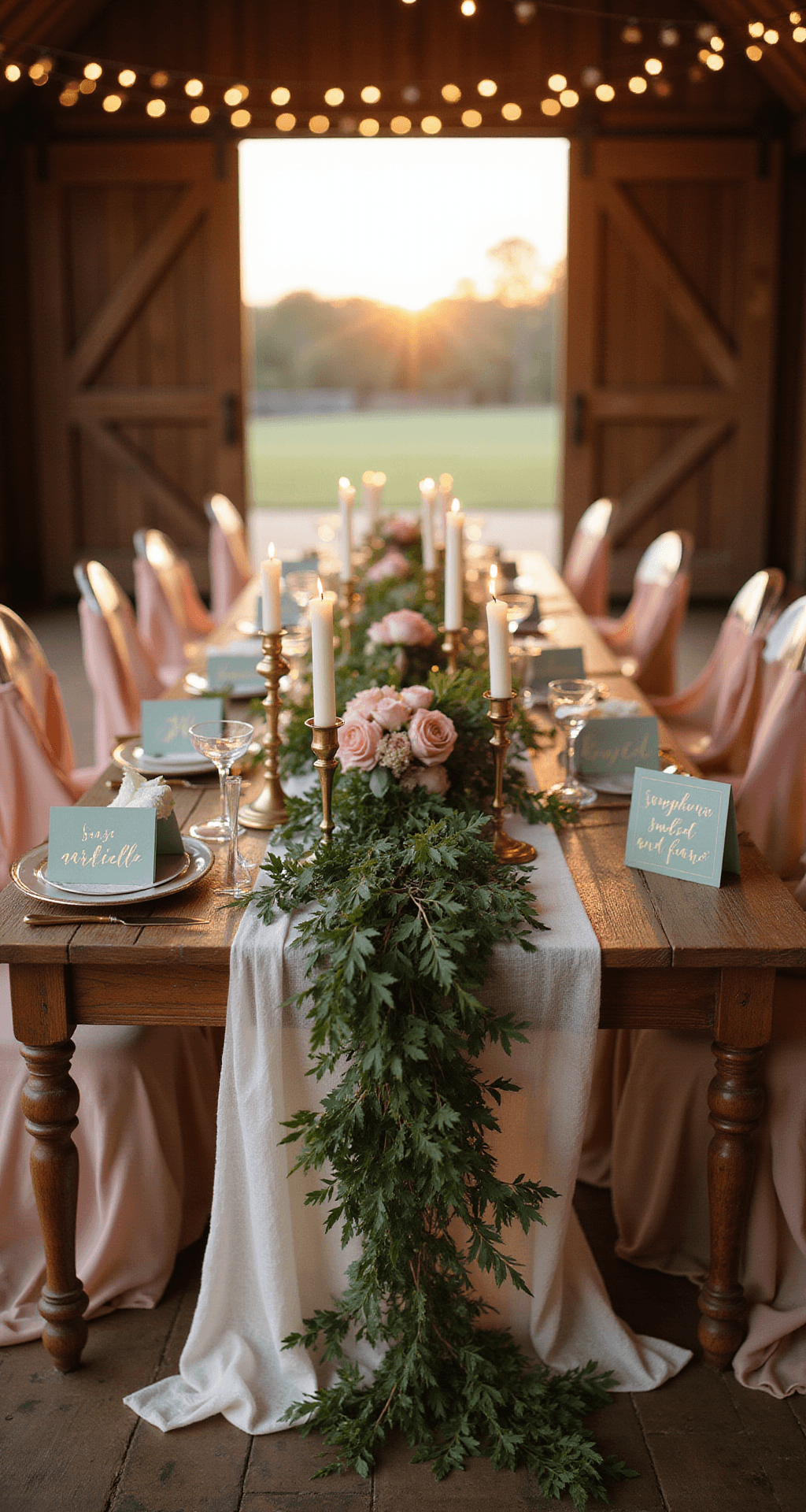
Essential Tools and Props You’ll Actually Need
Lighting Equipment: The Foundation
Natural light should be your priority, especially for these soft, romantic tones.
Sage and blush photograph best in diffused, warm light.
Get a white or gold reflector—this is non-negotiable for soft portraits and flat lays.
An on-camera flash with a diffuser handles
Want to keep this one?
We'll email you the link so you can find it again later.