
Round Balloon Backdrop: Your Guide to Creating Instagram-Worthy Party Magic
Round Balloon Backdrop: Your Guide to Creating Instagram-Worthy Party Magic
Contents
- Round Balloon Backdrop: Your Guide to Creating Instagram-Worthy Party Magic
- Why Everyone’s Obsessed With These Circular Beauties
- What You’ll Actually Need (No Fluff Here)
- The Building Process (Simpler Than You Think)
- Step One: Inflate With Purpose
- Step Two: Create Your Balloon Pairs
- Step Three: Build Those Quad Clusters
- Step Four: Attach to Your Frame
- Step Five: Fill the Gaps Like a Pro
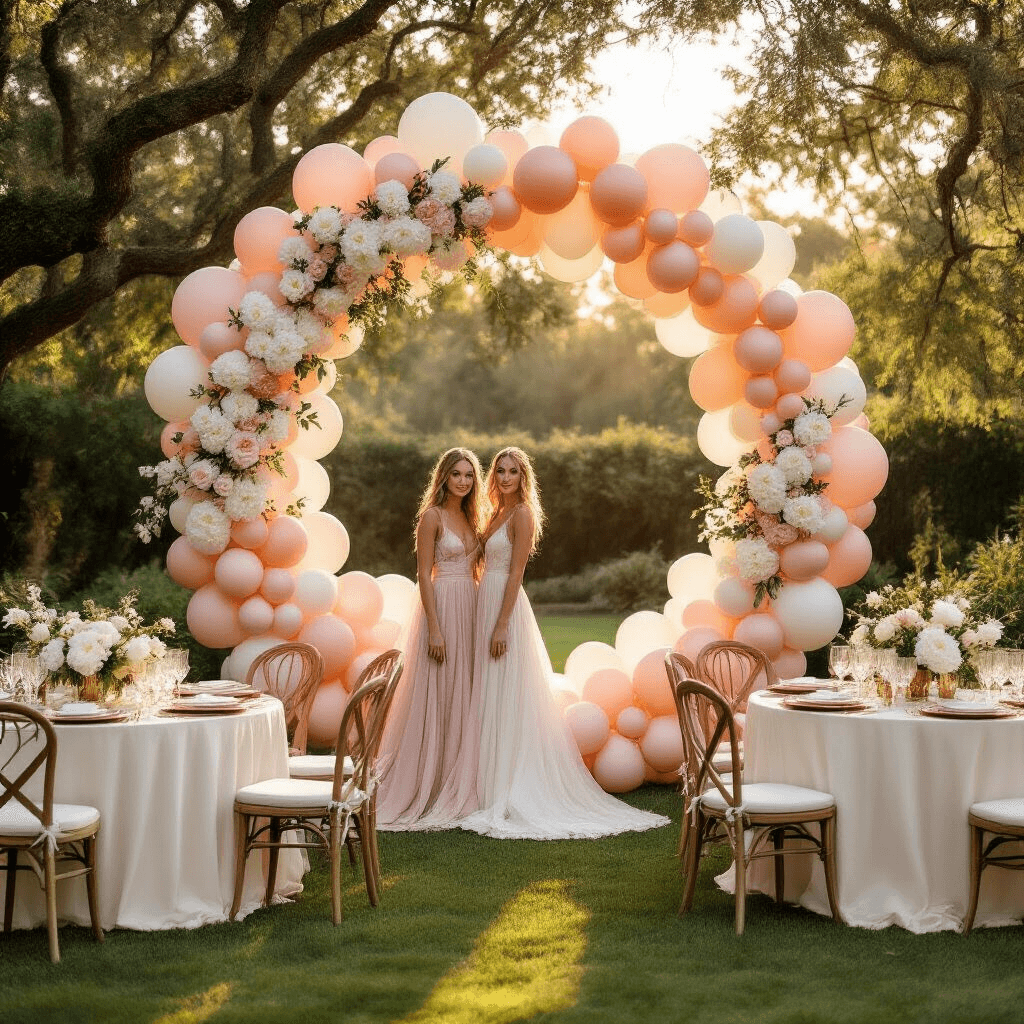
Round balloon backdrops have completely transformed how I think about party decorating, and I’m betting you’ve seen them flooding your social media feeds too.
These circular showstoppers aren’t just pretty—they’re the secret weapon that makes every celebration look like you hired a professional event planner (spoiler: you didn’t).
I’ve built more of these than I care to admit, and trust me, once you nail the technique, you’ll wonder why you ever paid someone else to do it.
Why Everyone’s Obsessed With These Circular Beauties
Here’s the deal: round balloon backdrops work for literally everything.
I’ve used them for:
- Birthday parties (from first birthdays to fortieth)
- Wedding ceremonies and receptions
- Baby showers that need that “aww” factor
- Graduation celebrations
- Bridal showers
- Corporate events that need personality
- Holiday gatherings
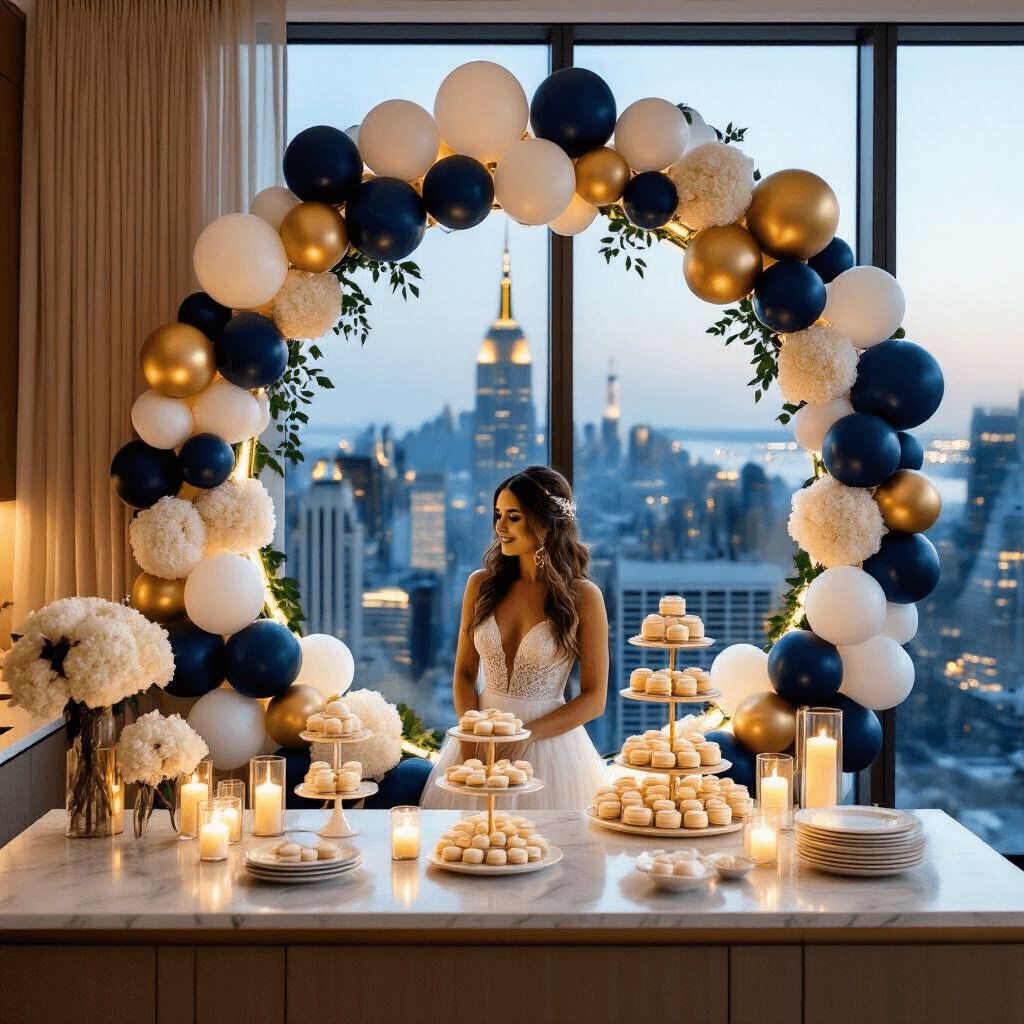
The circular shape creates this magical frame effect that makes everyone look amazing in photos.
No more awkward “stand against the blank wall” shots that scream “we didn’t plan ahead.”
The best part? You get that polished, high-end aesthetic without emptying your bank account or calling in favors from every friend you’ve ever had.
What You’ll Actually Need (No Fluff Here)
Let me save you a shopping trip disaster.
For a standard 6.6-foot round backdrop, here’s your shopping list:
Essential gear:
- A circular metal frame stand (mine’s 6.6 feet—perfect for most spaces)
- An electric balloon pump (your lungs will thank you profusely)
- Approximately 260 balloons in your color scheme
- Extra 260 modeling balloons for securing everything
- 18-inch balloons (your main players)
- 12-inch balloons (supporting cast)
- 5-inch balloons (gap fillers and detail work)
Optional but highly recommended:
- Artificial floral arrangements
- Greenery picks
- Ribbon
- Command hooks if you’re mounting to a wall
Don’t cheap out on the balloon pump.
I tried doing this manually once and my cheeks hurt for three days.
The Building Process (Simpler Than You Think)
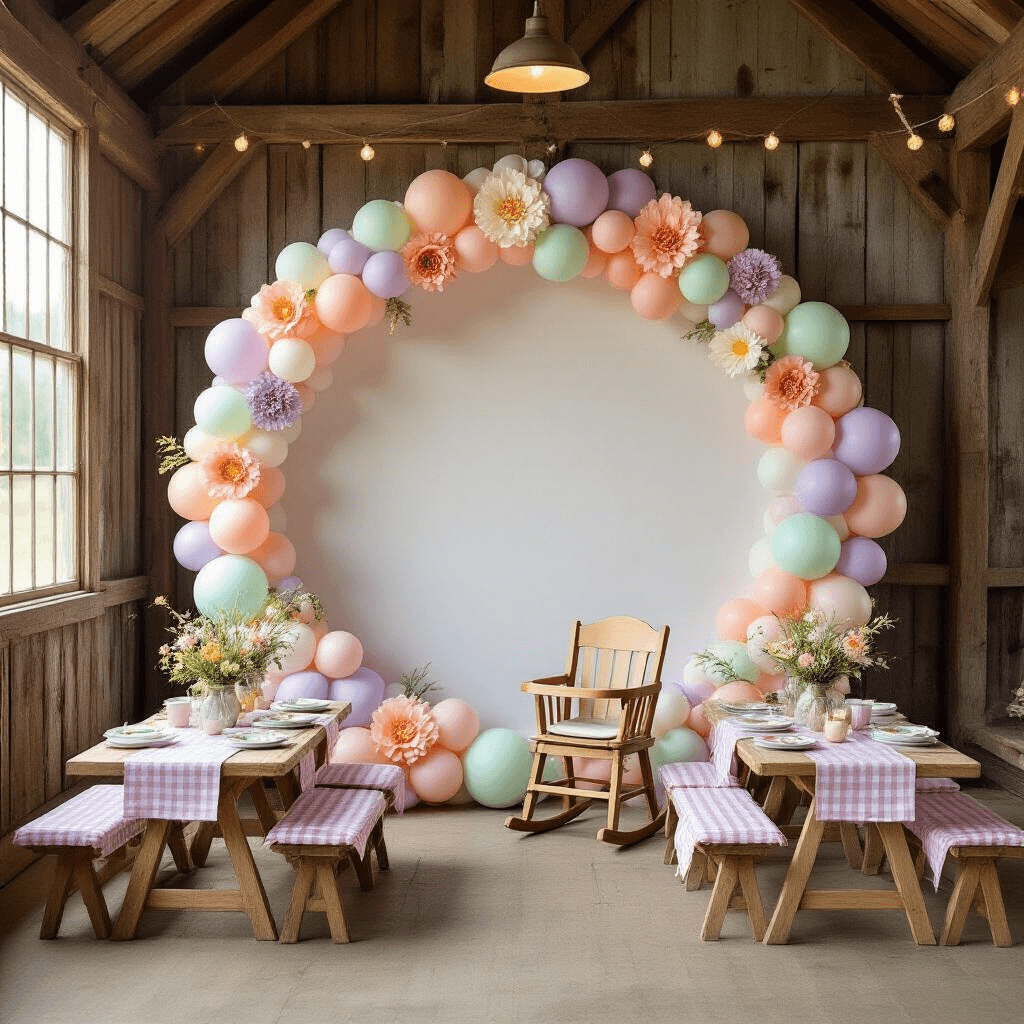
This is where people get intimidated, but honestly? It’s just repetition.
Once you master the basic quad cluster, you’re golden.
Step One: Inflate With Purpose
Grab that balloon pump and start inflating.
Here’s the trick nobody tells you: don’t inflate them to maximum capacity.
Inflate each balloon fully, then let out just a bit of air before tying.
This gives them that perfectly rounded, professional look instead of that stretched-too-tight appearance that screams “amateur hour.”
Mix up your sizes as you go:
- Mostly 18-inch for body
- Some 12-inch for variety
- Save those 5-inch for later
I usually inflate about 40 balloons before I start assembling—keeps the momentum going.
Step Two: Create Your Balloon Pairs
Take two balloons and cross their necks over each other.
Tie them together just like you’re tying your shoes (but tighter).
You want these babies secure.
Pro tip: Keep your color scheme in mind as you pair them up.
I like to create intentional pairs that will look good next to each other on the frame—maybe a white with a blush pink, or a gold with a cream.
Step Three: Build Those Quad Clusters
Now here’s where it gets fun.
Take two pairs and twist them together at their centers.
You should now have four balloons clustered together in a little balloon flower formation.
Give it a good twist—at least two or three rotations.
This quad cluster is your building block for the entire backdrop.
Make about 10-15 of these before you start attaching to save yourself from constantly switching tasks.
Step Four: Attach to Your Frame
Position your circular backdrop frame somewhere stable.
I usually work with mine laying flat on the floor initially—way easier than fighting gravity.
Start at any point on the circle (I like starting at the top).
Slide your first quad cluster onto the metal ring.
Wrap one of the balloon necks around the frame, twist it, and make sure it’s snug.
Critical advice: Move in ONE direction only.
Clockwise or counterclockwise—pick one and stick with it.
This creates even coverage and prevents weird gaps.
Continue adding quad clusters, pushing each one snugly against the previous one.
You’re basically creating a balloon caterpillar that’s eating its way around the circle.
Step Five: Fill the Gaps Like a Pro
Step back and look at your work.
See those annoying spaces where the frame shows through?
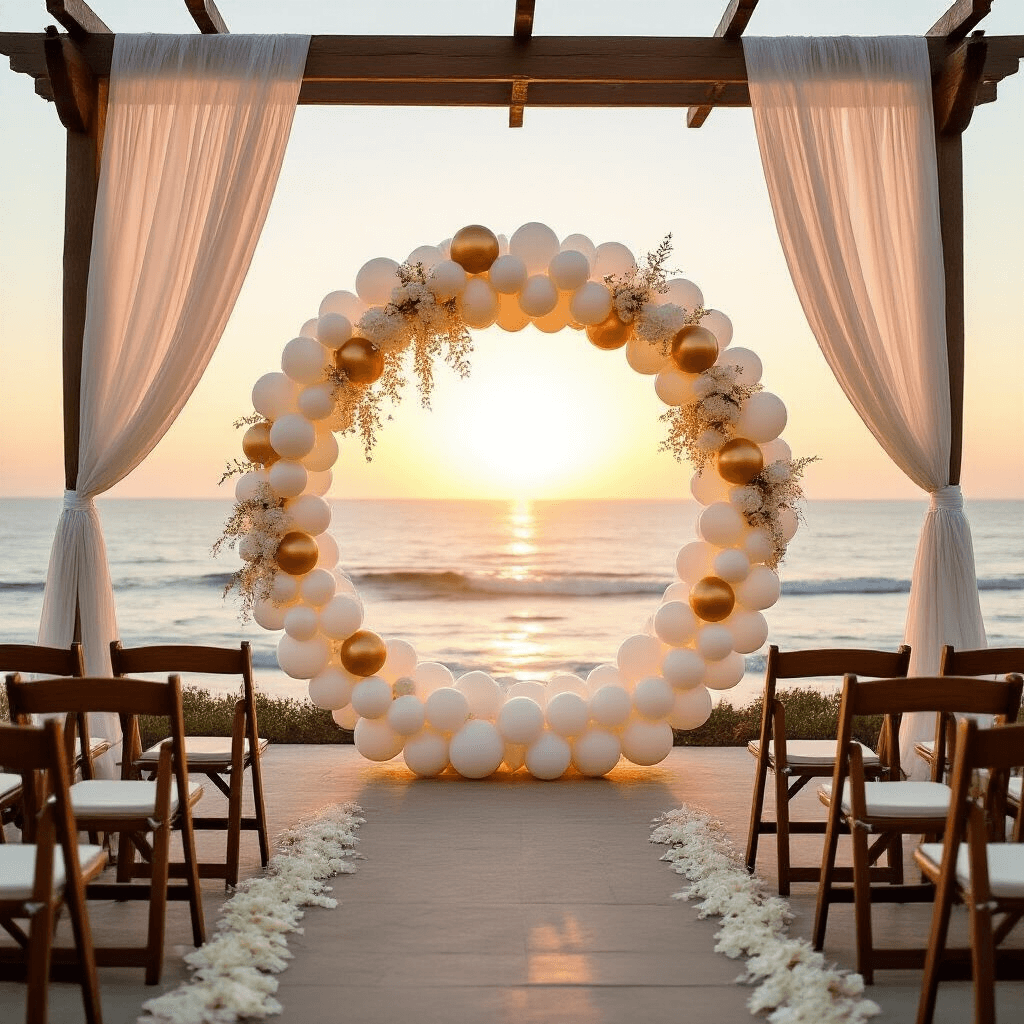
This is where those 5-inch balloons come in clutch.
Create mini quad clusters with the smaller balloons and tuck them into gaps.
Use the 260 modeling balloons to tie them directly to the frame in tight spots.
Add your floral picks and greenery last.
I usually hot glue these directly to balloons or wrap their wire stems around the frame.
The florals break up the balloon monotony and add that expensive-looking touch.