

Linking Balloons: Everything You Need to Know About Creating Stunning Balloon Displays
Linking Balloons: Everything You Need to Know About Creating Stunning Balloon Displays
Contents
- Linking Balloons: Everything You Need to Know About Creating Stunning Balloon Displays
- What the Heck Are Linking Balloons Anyway?
- Why Linking Balloons Beat Regular Balloons Every Single Time
- Sizes That Actually Make Sense for Your Project
- The Color Situation Is Actually Incredible
- Brand Names Worth Remembering
- How to Actually Create Balloon Chains Without Losing Your Mind
**Linking balloons** have completely changed how I approach party decorating, and I’m betting you’ve seen these clever little creations without even realizing what makes them special.
You know that feeling when you’re staring at a bare wall the night before a party, wondering how on earth you’re going to transform your space without breaking the bank or your back?
I’ve been there more times than I’d like to admit.
What the Heck Are Linking Balloons Anyway?
Here’s the deal with linking balloons.
They’re not your average party balloon that flops around sadly at the end of a string.
These specialized latex balloons come with an elongated tip that’s basically designed for one purpose: connecting to other balloons without making you want to throw everything out the window.
The magic happens in that distinctive tip shape.
It lets you tie balloons together in three different ways:
- Neck-to-tip (the most common method)
- Tip-to-tip (for creative patterns)
- Neck-to-neck (for tighter clusters)
I discovered these gems when I was desperate to create a balloon arch for my daughter’s birthday party without hiring a professional decorator.
The regular balloons I’d bought kept slipping apart, and I was ready to give up entirely.
Then a friend mentioned linking balloons, and honestly, it felt like someone had finally handed me the instruction manual to life.
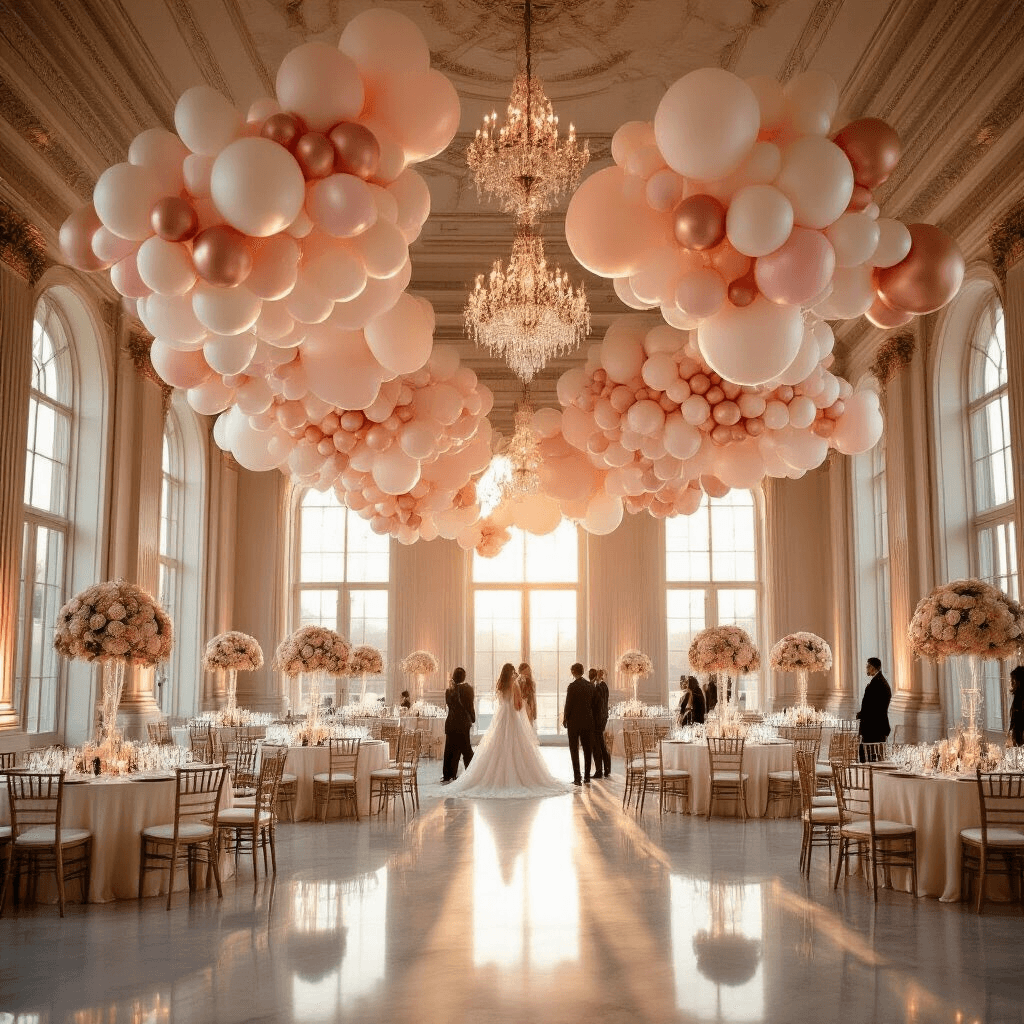
Why Linking Balloons Beat Regular Balloons Every Single Time
Let me be brutally honest here.
Regular balloons are fine if you want to stick them in a corner with some curling ribbon and call it a day.
But if you’re trying to create something that looks like you didn’t throw it together five minutes before guests arrived, linking balloons are your new best friend.
The actual differences that matter:
Structure and Design
That elongated tip isn’t just for show.
It creates a natural connection point that holds tight without slipping.
Regular balloons have rounded ends that slide apart the moment you look at them wrong.
Time Savings
I timed myself once (yes, I’m that person).
Creating a 10-foot balloon chain took me 45 minutes with regular balloons and fishing line.
With linking balloons? 15 minutes flat.
No Extra Supplies Needed
Forget buying balloon tape strips or complicated tools.
You need balloons and your own two hands.
That’s it.
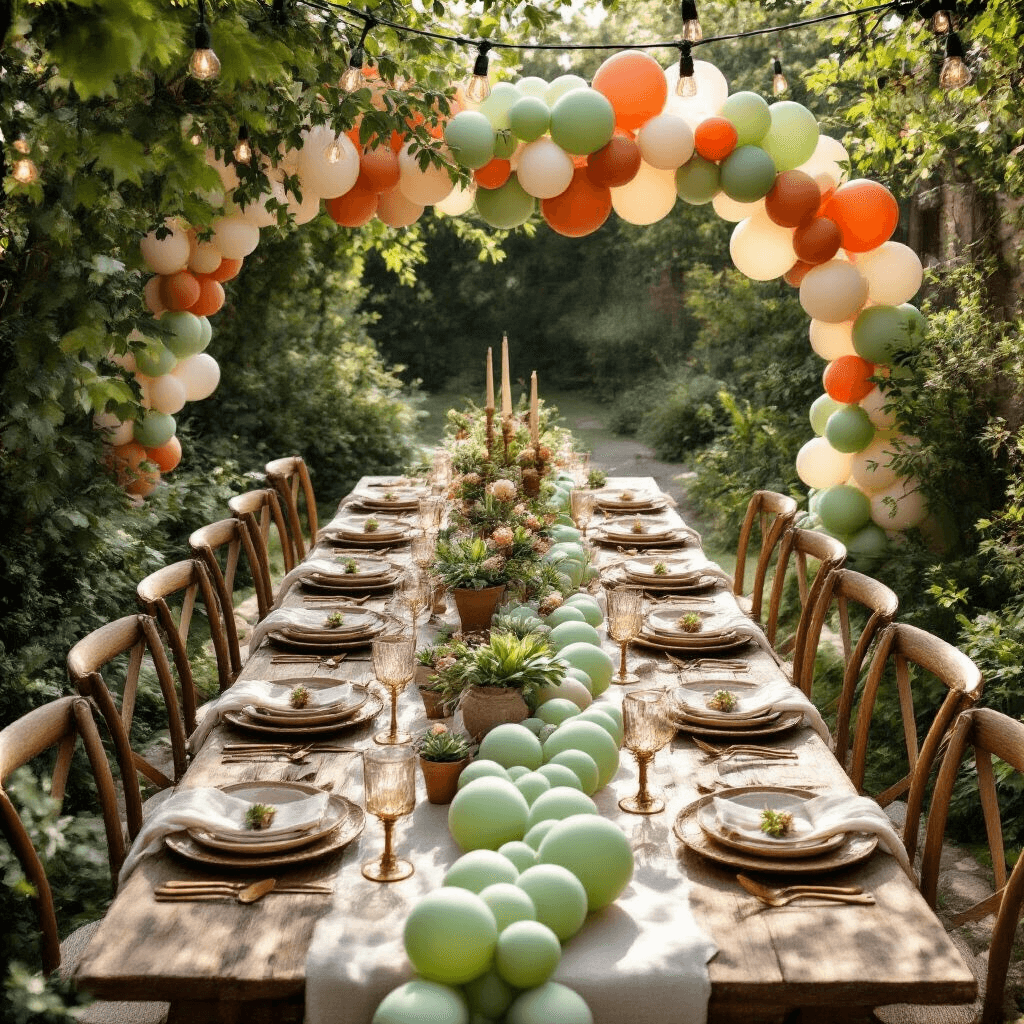
Sizes That Actually Make Sense for Your Project
Linking balloons come in sizes ranging from 6 to 18 inches in diameter.
Here’s what I’ve learned about which size works for what:
6-inch linking balloons
Perfect for delicate garlands and tight spaces.
I use these for table centerpieces or when I want a fuller look without overwhelming a small room.
12-inch linking balloons
The Goldilocks size.
Not too big, not too small.
This is what I reach for 80% of the time because they work for basically everything from arches to photo backdrops.
18-inch linking balloons
These bad boys make a statement.
I save them for outdoor events or when I need to fill a massive space quickly.
Fair warning: they take some serious lung power to inflate without a balloon pump.
The Color Situation Is Actually Incredible
Remember when party supplies came in exactly four colors: red, blue, yellow, and that weird shade of green nobody wanted?
Those days are dead and buried.
Linking balloons now come in every shade you can imagine:
- Classic primaries (red, blue, yellow)
- Pastels that look like they walked out of a Pinterest board
- Metallics including rose gold, silver, and copper
- Bold jewel tones (emerald, sapphire, amethyst)
- Neutrals like white, ivory, black, and gray
- Specialty finishes including matte, chrome, and confetti-filled
I once created an ombré effect for a graduation party using five different shades of purple linking balloons.
People thought I’d hired a professional.
I smiled and said thank you without correcting them.
Brand Names Worth Remembering
Not all linking balloons are created equal, and I learned this the expensive way.
Qualatex Quicklink
The Mercedes of linking balloons.
They’re pricier but hold air longer and have richer colors.
I spring for these when I’m making something that needs to last more than 24 hours.
Sempertex Link-O-Loon
Solid middle-ground option.
Good quality without making your wallet weep.
This is my go-to for most projects.
Decomex
Budget-friendly and perfectly fine for short-term decorations.
If your party is tonight and decorations only need to survive 6 hours, these will do just fine.
The honest truth?
Start with a middle-tier brand and see if you notice the difference before investing in premium options.
You can grab Sempertex linking balloons easily and they’ll serve you well for most occasions.

How to Actually Create Balloon Chains Without Losing Your Mind
The first time I tried making a balloon chain, I thought the internet had collectively pranked me with “easy” tutorials.
It wasn’t easy.
But once I figured out the actual technique, it became stupidly simple.
Step-by-Step That Actually Works:
1. Inflate consistently
Use a balloon sizing template if you’re obsessive like me.
Inconsistent sizes look amateur, and our goal here is Instagram-worthy perfection.
2. Tie the first balloon
Make a simple knot like you would with any balloon.
Nothing fancy here.
3. Inflate the second balloon
Before tying it, wrap the neck around the tied knot of the first balloon.
Then tie the second balloon.
4. Keep going