
How to Master Indian Wedding Aesthetics: Creating Glamorous, Culturally Rich Celebrations That Leave Guests Speechless
Understanding Indian Wedding Aesthetics: What Makes Them So Stunning
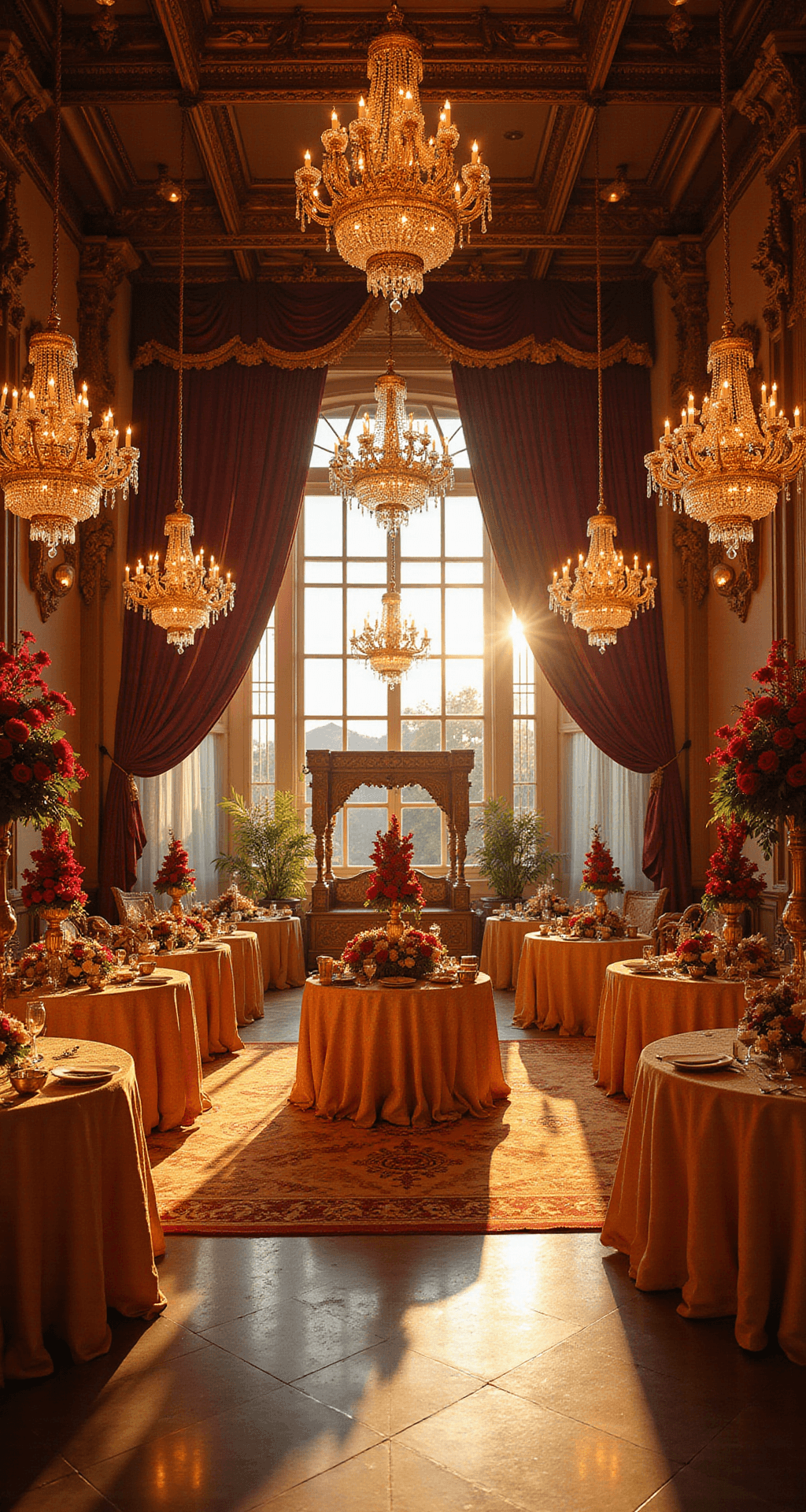
Indian wedding aesthetics are built on glamor, vibrant colors, and deep-rooted traditions that blend cultural significance with modern design. This isn’t just decoration—it’s storytelling. Every color choice, every flower, every light carries meaning and history.
The Foundation: What Sets Indian Weddings Apart
Indian wedding design celebrates ornate details, dramatic lighting, and rich textures in ways that feel both timeless and completely current. You get to blend old and new, traditional and contemporary, bold and subtle—sometimes all in the same ceremony.
The Color Game: Choosing Your Palette Like a Pro
Here’s what most people get wrong about Indian wedding colors. They think it’s all red and gold, period. That’s not remotely true anymore.
Traditional Power Colors
Red and Gold remain the gold standard for a reason. Red symbolizes auspiciousness, prosperity, and celebration in Indian culture. Gold adds richness and luxury. Together, they create instant impact and visual drama.
Contemporary Alternatives That Still Feel Indian
- Soft pastels paired with metallic accents create elegance without feeling heavy
- Rich jewel tones like burgundy, violet, and deep blue add sophistication and modern appeal
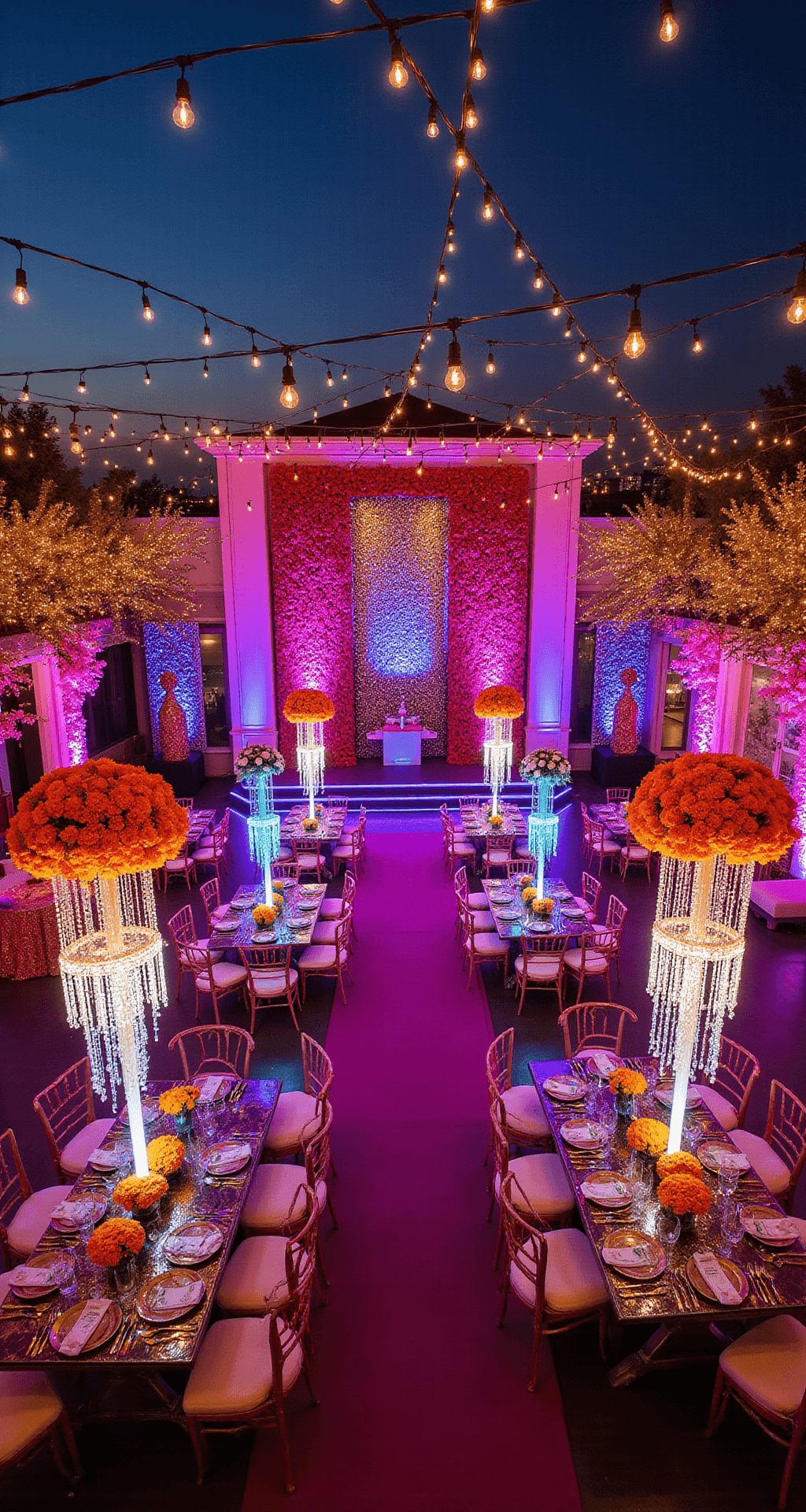
- Bright pink and orange capture that celebratory Indian energy while feeling fresh
- Emerald green and gold combinations give you luxury with a twist
- Blush and rose gold appeal to couples who want Indian aesthetics without the traditional intensity
Creating a Color Story That Works
Don’t just pick colors randomly. Think about the story you’re telling. Are you leaning traditional? Go bold with reds, golds, and deep jewel tones.
The Non-Negotiable Elements: What Every Indian Wedding Needs
Floral Arrangements: The Visual Anchor
Flowers are everything in Indian wedding design. They’re not decorative afterthoughts—they’re the main event.
Lighting: Creating the Magical Atmosphere
Lighting is where good Indian weddings become unforgettable ones. Most people focus on flowers and forget about lighting—then they’re shocked when their beautifully decorated space photographs like a dungeon.
Textiles: Adding Dimension and Movement
Silk drapes, chiffon fabrics, heavy curtains, and embroidered umbrellas aren’t just pretty—they transform the architectural bones of your space.
The Mandap: Your Ceremony’s Star
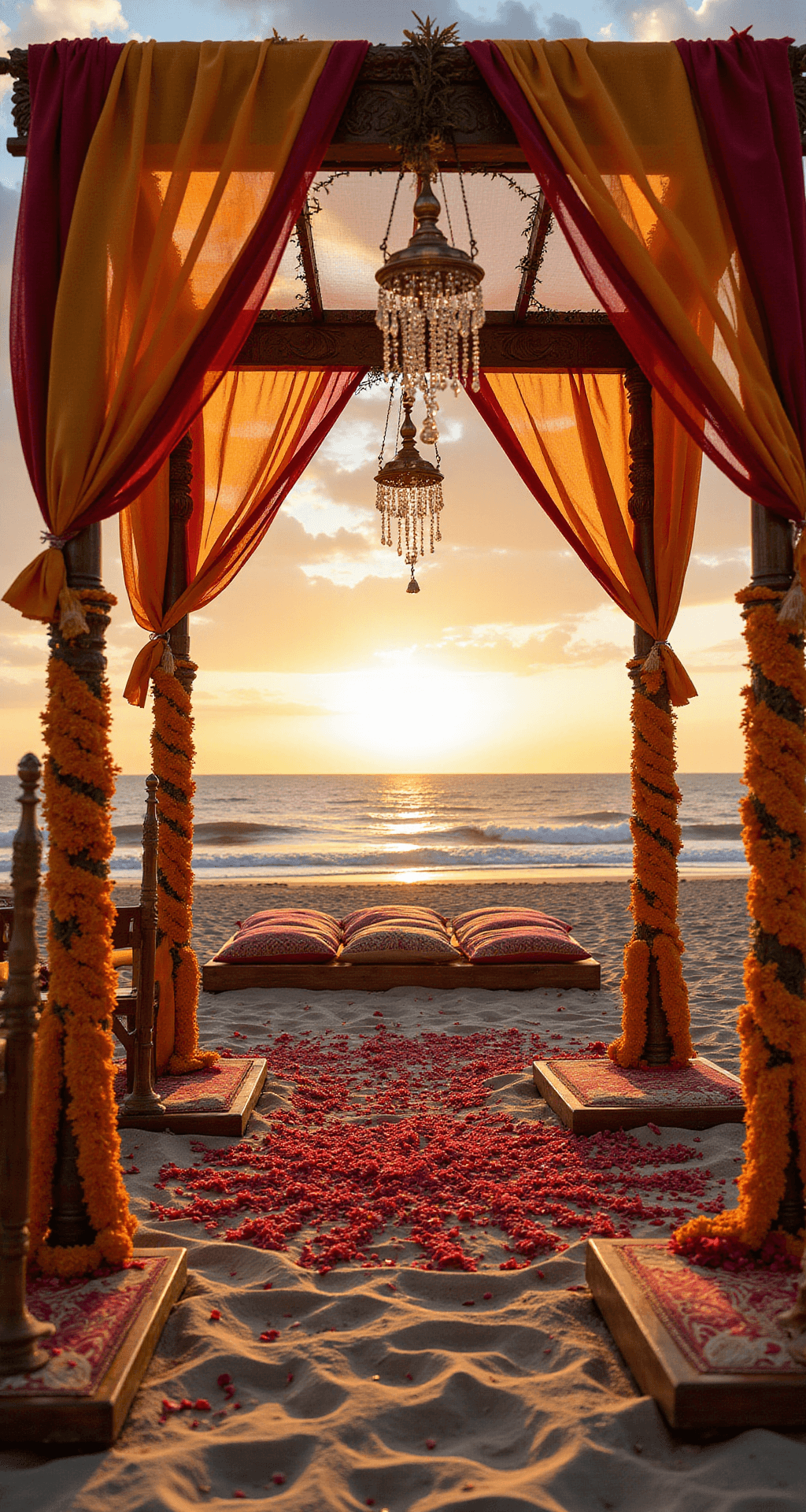
The mandap (ceremonial platform) is where your actual wedding happens. It’s not just decoration—it’s the focal point of your entire celebration.
Rangoli: Traditional Art That Grounds Your Design
Rangoli patterns on floors aren’t just decorative—they connect your celebration to centuries of Indian tradition.
Save this article
Enter your email and we'll send it straight to your inbox.
Signature Decorative Approaches: Finding Your Style
The Royal Indian Theme: Go Big or Go Home
This approach screams luxury. Think opulent decorations, gold touches everywhere, crystal fixtures, and expensive fabrics creating a majestic, almost palatial atmosphere.
Bollywood Glamour: Dramatic, Bold, Unforgettable
This theme takes inspiration from Hindi film production design—drama, shine, bold colors, and pure theatrical energy.
Modern Fusion: Honoring Tradition, Embracing Contemporary Design
Maybe you don’t want full-on traditional or full-on Bollywood. Maybe you want something that feels authentically Indian while still feeling completely current.
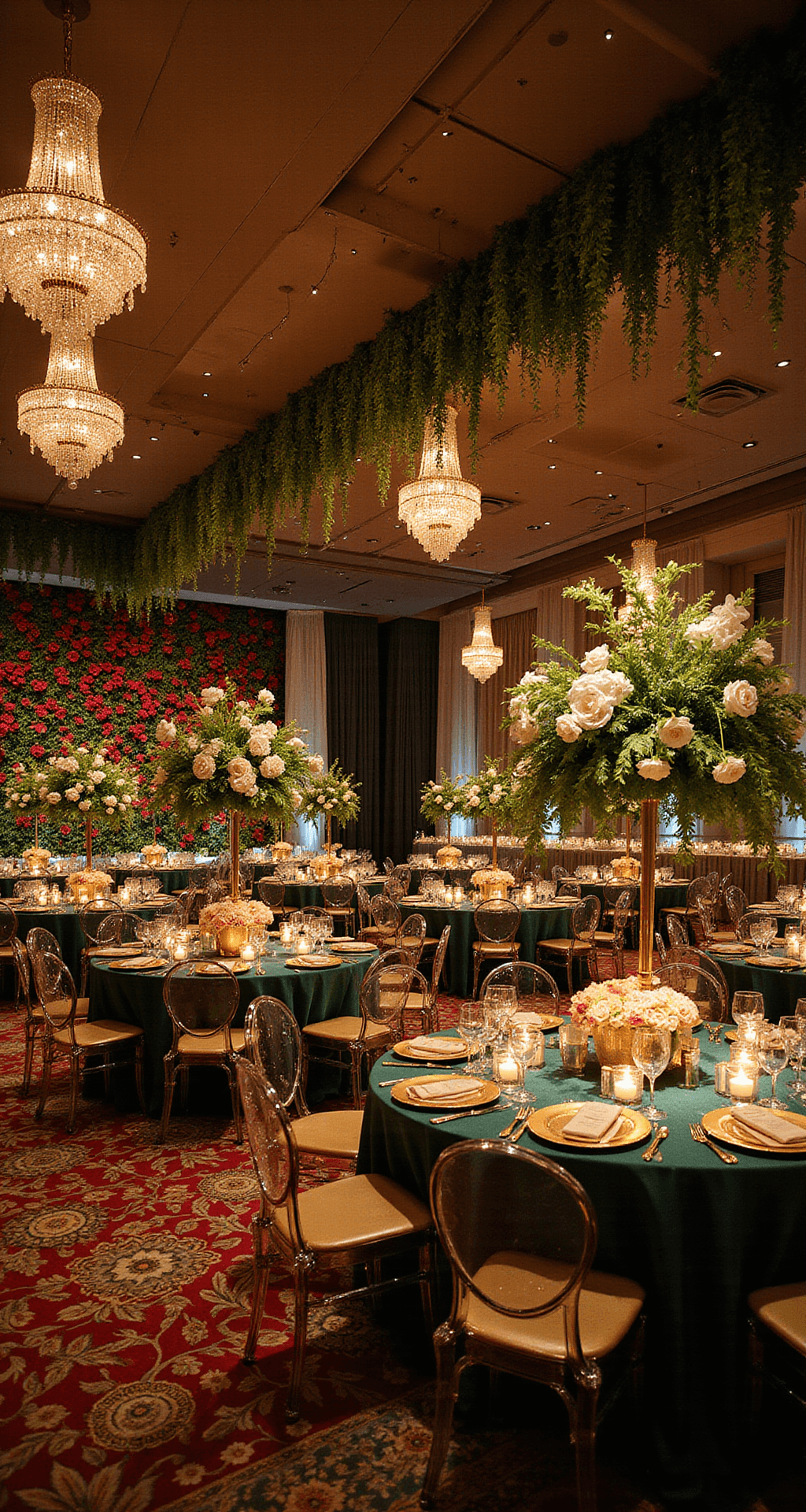
Garden-Inspired: Elegant Meets Natural
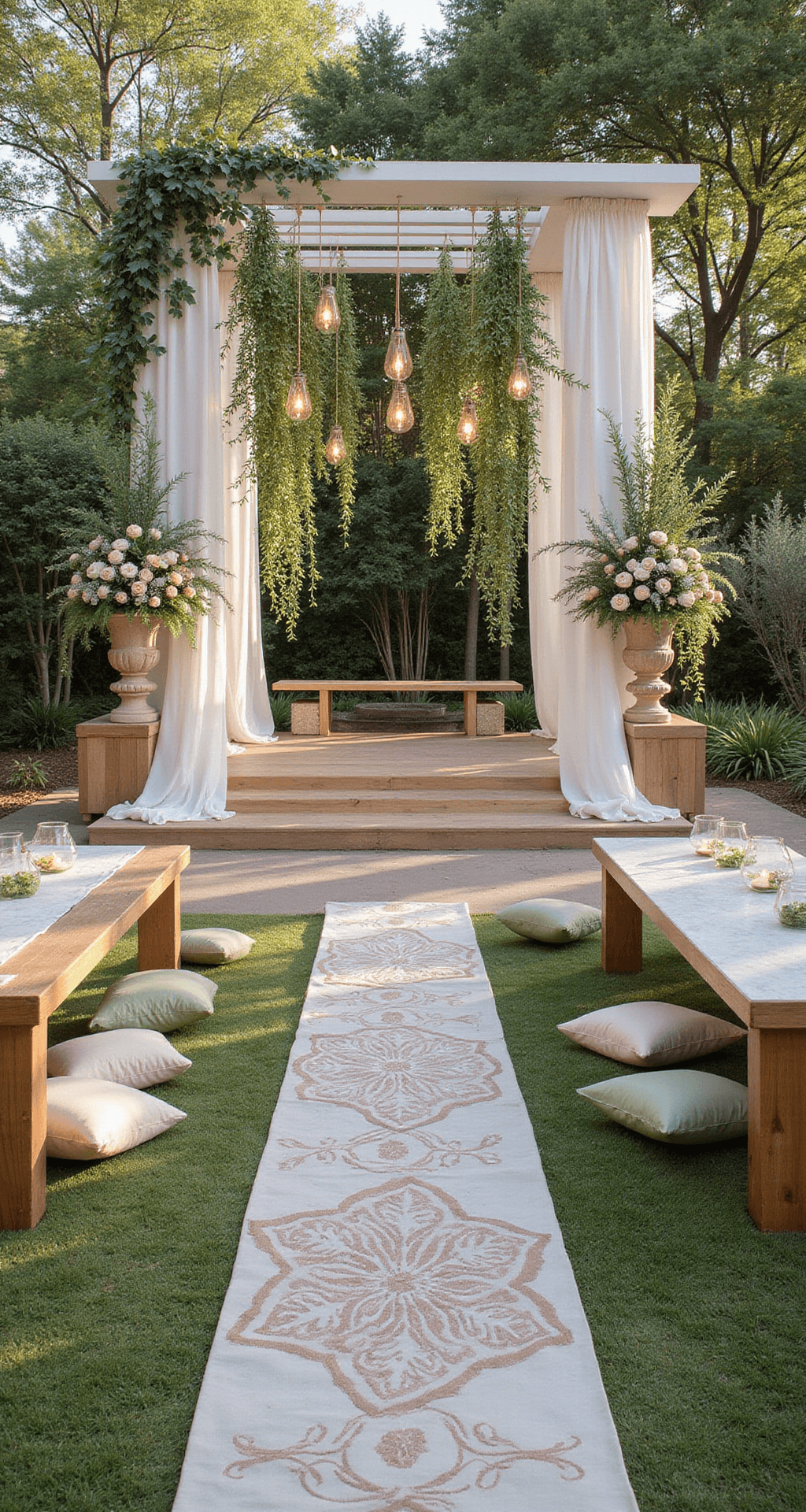
This approach incorporates greenery, hanging lights, and rustic elements for a relaxed yet elegant natural aesthetic.
The Techniques That Actually Transform Spaces
Height Variation: The Secret Most Designers Won’t Tell You
Here’s the honest truth about Indian wedding design: flat spaces feel boring, no matter how much you spend. The moment you introduce height variation, everything changes.
Layering and Texture Mixing: Creating Richness
Indian wedding design isn’t minimalist. It’s rich, layered, and textured. But there’s a right way to do this that feels intentional rather than chaotic.
Pattern and Geometric Design: Modern Meets Traditional
Many couples worry that Indian weddings have to feel “old-fashioned.” They don’t. Incorporating modern geometric patterns, abstract art backdrops, and contemporary design elements keeps your aesthetic feeling current.
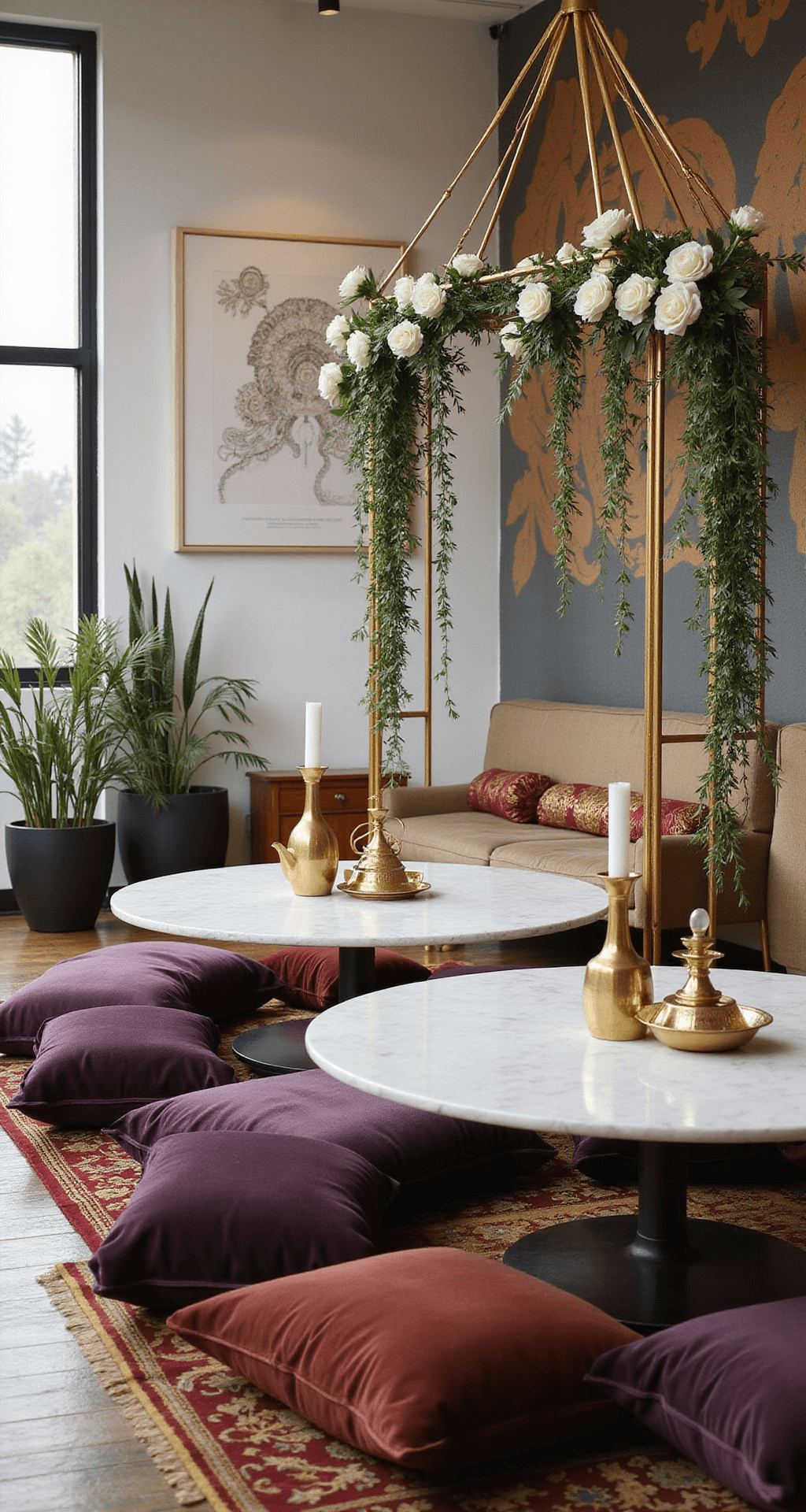
Natural Elements: Surprising Texture and Visual Interest
Here’s something bold: incorporate fruits and unexpected greenery into your design. I know it sounds odd. But a clever mix of flowers, branches, fruits (lemons, pomegranates, oranges), and unusual greenery creates visual interest and depth that traditional flower-only arrangements can’t match.
Bringing It All Together: Design Decisions That Matter
Choosing Your Focal Points
You can’t make everything equally important. Well, you can, but then nothing stands out.
Budget Flexibility: Creating Magic at Any Price Point
Here’s what I love about Indian wedding aesthetics: they’re genuinely flexible on budget. You can create stunning celebrations at various price points.
<img src="https://purelycelebrations.com/wp-content/uploads/2026/04/897rustic-barn-indian-wedding-mandap-marigold-decor.png" alt="A whimsical rustic barn venue adorned for an Indian celebration at dusk, featuring mar
Want to keep this one?
We'll email you the link so you can find it again later.