
How to Pick a Wedding Date That Actually Works for Your Big Day
How to Pick a Wedding Date That Actually Works for Your Big Day
Contents
- How to Pick a Wedding Date That Actually Works for Your Big Day
- Why Your Wedding Date Matters More Than You Think
- Start With Your Season and What You Actually Want
- Budget Reality Check: Peak Season vs. Off-Peak
- Check Venue and Vendor Availability Before You Get Attached
- Personal Significance: Making Your Date Mean Something
I still remember staring at my calendar for what felt like forever, trying to figure out when we should get married.
There were so many dates that looked good on paper, but then I’d realize my cousin’s graduation was that weekend or the venue was charging double because everyone wants a June wedding.
Picking a wedding date isn’t just about circling a random Saturday and calling it done.
It’s this whole thing where you’re trying to balance what you want, what you can afford, and whether Aunt Linda can actually make it without missing her annual cruise.
Look, I’m not gonna pretend this is easy because it’s not.
But once I figured out the actual factors that mattered (and stopped overthinking the ones that didn’t), everything fell into place pretty quick.
So let me walk you through how to pick a wedding date that works for your budget, your vision, and your sanity.
Why Your Wedding Date Matters More Than You Think
Your wedding date affects literally everything.
The price you’ll pay for the venue.
Whether your photographer is available.
If your guests will actually show up or if they’ll be stuck dealing with a blizzard or a heatwave.
It even changes what kind of flowers you can get and what your bridesmaids will be wearing.
Choosing the wrong date can mean you’re spending thousands more than you need to, or that half your guest list can’t come because you picked the same weekend as a major holiday.
And trust me, you don’t want to be the couple who planned a beach wedding in hurricane season and then had to scramble for a backup plan two weeks before the big day.
So yeah, this decision is kind of a big deal.
Start With Your Season and What You Actually Want
Before you even look at a calendar, think about what kind of wedding you’re picturing.
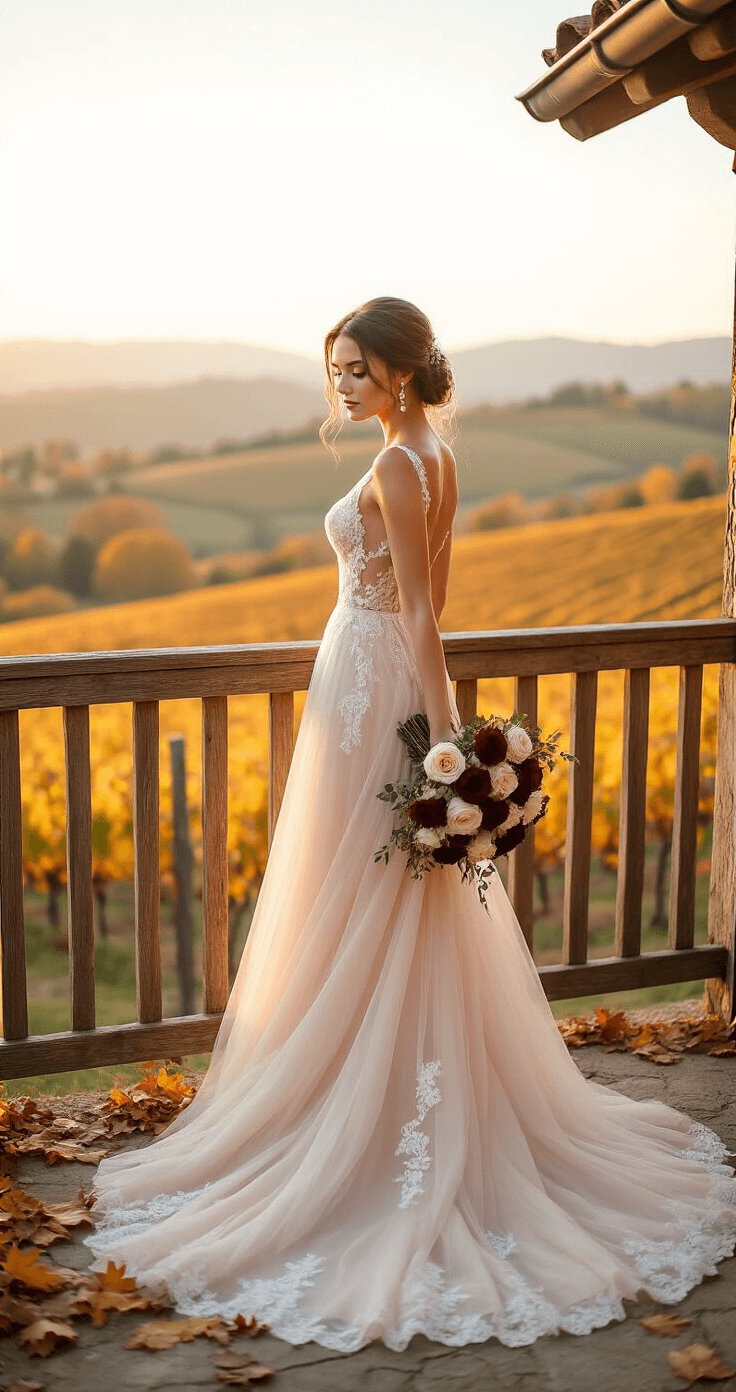
Do you want fall leaves and cozy vibes?
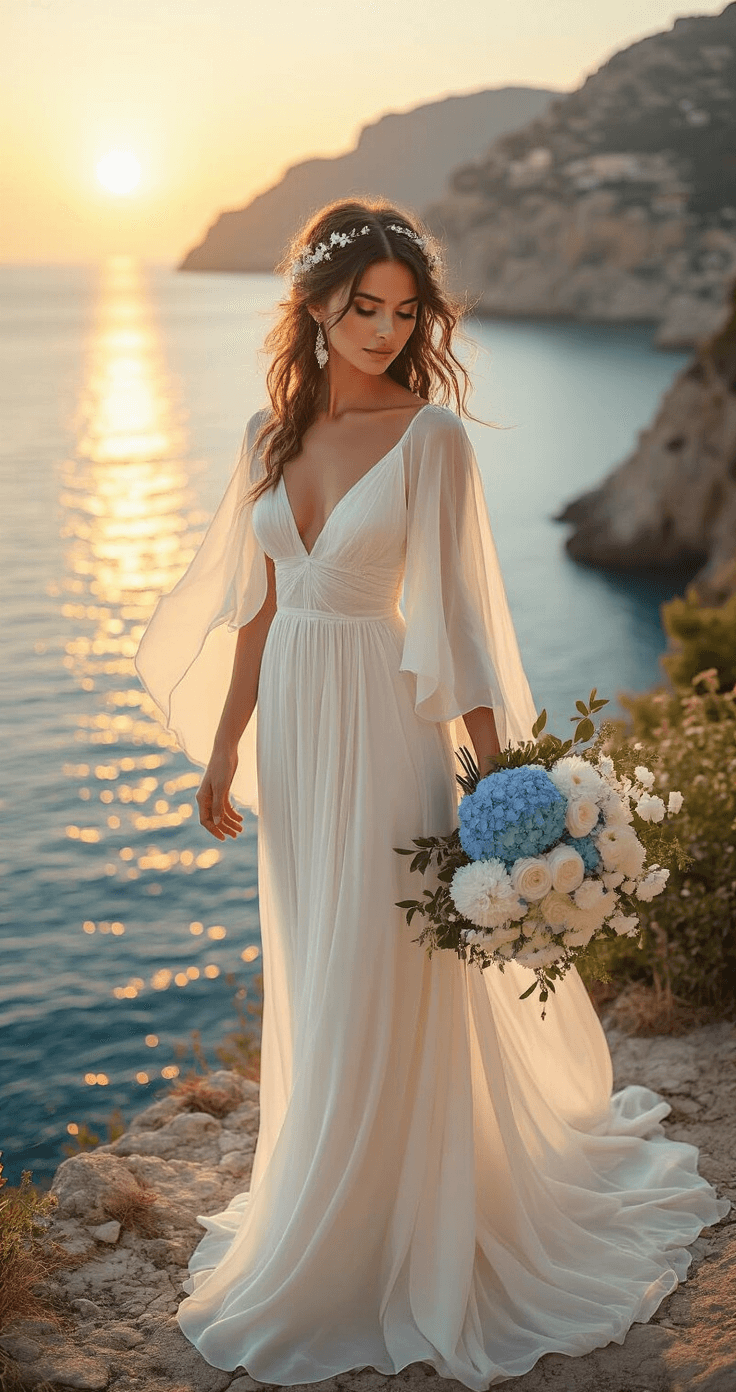
A summer evening with the sun setting during your ceremony?
Spring flowers everywhere?
Or maybe a winter wonderland with twinkling lights and a little bit of snow?
Spring weddings usually happen between March and May, and they’re gorgeous if you love fresh blooms and mild weather.
The downside is that spring can be unpredictable—one day it’s sunny, the next it’s pouring rain.
Summer weddings run from June through August, and they’re the most popular for a reason.
Long days, warm weather, and everyone’s in vacation mode.
But summer also means peak wedding season, which means higher prices and less availability.
Fall weddings (September through November) are my personal favorite because the weather’s usually perfect and the colors are insane.
Plus, it’s slightly less competitive than summer, so you might actually get your first-choice venue.
Winter weddings (December through February) are underrated, in my opinion.

If you can work around the holidays, you’ll save a ton of money and get this romantic, cozy atmosphere that you just can’t replicate in July.
The trick here is to pick a season that matches your vision and then research what the weather’s actually like where you’re getting married.
Don’t just assume “spring is nice”—look up average temperatures and rainfall for your specific location.
Budget Reality Check: Peak Season vs. Off-Peak
Here’s the thing nobody tells you until you start planning: your wedding date can literally make or break your budget.
Peak wedding season is late spring through early fall, especially May through September.
And Saturdays during those months?
Forget about it.
Venues charge premium rates, photographers are booked solid, and even wedding planners cost more because everyone wants those dates.
If you’re trying to save money (and who isn’t?), consider an off-peak date between November and April.
I’ve seen couples save literally thousands of dollars just by moving their wedding from June to January.
Here’s how different days of the week affect pricing:
- Saturday nights: Most expensive, highest demand, books up fastest
- Friday evenings: Slightly cheaper, still pretty popular
- Sunday afternoons: Good middle ground, more availability
- Weekdays (Monday-Thursday): Cheapest option, tons of availability
I know a weekday wedding sounds weird at first, but hear me out.
If most of your guests are local or you’re planning a small wedding anyway, a Thursday evening wedding could save you enough money to upgrade your honeymoon accommodations or splurge on that band you really wanted.
Just make sure you give people plenty of notice so they can request time off work.
Check Venue and Vendor Availability Before You Get Attached
This is where a lot of couples mess up, including me at first.
You fall in love with a specific date because it’s meaningful or it just “feels right,” and then you find out your dream venue is already booked.
Popular venues get reserved about 15 months in advance, sometimes even longer for peak season Saturdays.
So here’s what I learned to do instead: make a list of your top 3-5 dates that could work, then start reaching out to venues and vendors to see what they have available.
Your venue is usually the hardest thing to book, so start there.
Once you know which dates your venue has open, you can check with your photographer, caterer, and other key vendors.

Sometimes you’ll find that moving your date by just one week opens up way more options and better pricing.
And honestly, unless you’re dead-set on a specific date for personal reasons (which is totally valid), being a little flexible here makes the whole process so much easier.
Weekday weddings and off-peak months almost always have better vendor availability, so you get first pick of the best people instead of settling for whoever’s left.
Personal Significance: Making Your Date Mean Something
Okay, so now let’s talk about the fun part—choosing a date that actually means something to you as a couple.
Some people think this is cheesy, but I think it’s sweet.
Plus, it makes your anniversary easy to remember, which is a bonus.
Here are some meaningful date ideas:
- Anniversary of your first date
- The day you got engaged
- Your parents’ or grandparents’ anniversary