

How to Elope: Your Complete Guide to Getting Legally Married
What Does It Actually Mean to Elope?
Contents
Okay so first things first.
Eloping doesn’t mean running away in secret anymore (though you totally can if that’s your vibe). It just means you’re getting married with way fewer people—or sometimes just the two of you—and skipping the big traditional wedding setup. It’s still 100% legal. You still need a marriage license. You still need to follow your state’s rules. But you get to do it your way, on your terms, without spending thousands on centerpieces nobody remembers anyway.

Step 1: Figure Out Where You Wanna Get Married
This is huge because every state has different rules. Some states let you get married the same day you apply for your license. Others make you wait a few days. And some states even let you officiate your own wedding, which is kinda wild but also really cool if you want full control.
Popular Places to Elope:
- California – no waiting period, you can marry the same day, and you can even officiate your own ceremony
- Las Vegas – classic elopement spot, super fast process, tons of chapels
- Colorado – allows self-solemnization, plus gorgeous mountain views
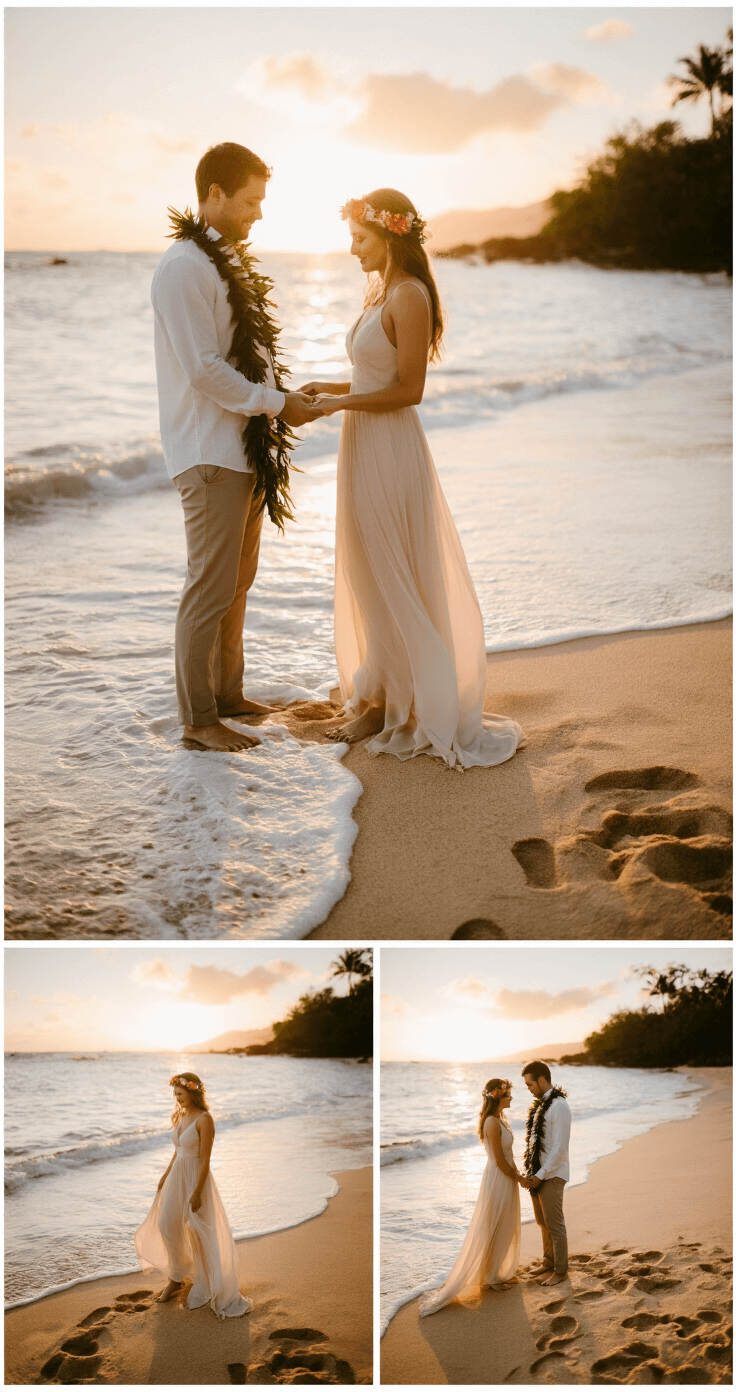
- Hawaii – if you wanna combine your elopement with a vacation
- Your local courthouse – budget-friendly, no frills, gets the job done
If you’re thinking about eloping somewhere scenic like a national park or beach, you might need a permit. In California for example, certain locations require you to apply 30 days in advance and pay around $200 total in fees. So plan ahead if you want that Instagram-worthy backdrop.

Step 2: Get Your Marriage License (This Is the Big One)
You cannot skip this. A marriage license is what makes your marriage legal. Without it, you’re just two people saying nice words to each other.
Go to Your County Clerk’s Office
You usually have to apply in person at the county clerk’s office in the county where you’re getting married. Some states let you apply online now, but most still require you to show up.
Bring the Right Documents
You’ll need:
- A valid photo ID like a driver’s license or passport
- Your birth certificate
- Your Social Security number or card
- If you were married before, bring a certified copy of your divorce decree
Don’t forget these or you’ll waste a trip.

Pay the Fee
Marriage license fees are usually somewhere between $85 and $105, depending on where you are. Bring cash or a card—most places take both now.
Know Your State’s Waiting Period
Here’s where it gets annoying. Some states make you wait before you can actually use your license.
- California – no waiting period, you can get married same day
- Illinois – 1-day wait
- Alaska, Iowa, Kansas, Massachusetts, Michigan, Oregon, Pennsylvania, Washington – 3-day wait
- Wisconsin – 5-day wait
Some states will let you request a waiver if you need to get married right away, but you gotta ask. Also, your marriage license expires after a certain amount of time (usually 30 to 90 days), so don’t wait too long to actually use it.
Step 3: Find an Officiant (Or Be Your Own)
Most states require someone to officiate your wedding—like a judge, a religious leader, or someone ordained online. But here’s the cool part: Colorado, Montana, and Pennsylvania let you officiate your own wedding. It’s called self-solemnization. Basically, you and your partner can say your vows to each other without needing anyone else to make it official. California also allows this, which is why so many people elope there.
If your state doesn’t allow self-solemnization, you can:
- Ask a friend or family member to get ordained online (it’s super easy and usually free or cheap)
- Hire a professional officiant
- Get married at the courthouse by a judge
I’ve seen friends get ordained through places like the Universal Life Church just so they could marry their buddies, and it literally takes like 10 minutes. If you’re going that route, consider looking into online ordination certificates to make it feel more official for the ceremony.

Step 4: Round Up Your Witnesses (If You Need Them)
Some states require witnesses to sign your marriage license. Others don’t care. Here’s a quick breakdown:
- California – 1 witness required for a public license, none for a confidential license
- Alaska – 1 witness
- Washington and Oregon – 2 witnesses
- Florida – no witnesses needed
Check your marriage license when you get it—it’ll usually say right on there how many witnesses you need. Witnesses can literally be anyone over 18. Your best friend, a random stranger at the park, your Uber driver—doesn’t matter as long as they can sign their name.

Step 5: Actually Get Married
This is the fun part. You can keep it super simple or make it as special as you want.
What Your Ceremony Needs:
- You and your partner (obviously)
- Your marriage license
- Your officiant (unless you’re self-solemnizing)
- Your witnesses (if required)
- Your vows (can be traditional or totally made up on the spot)
That’s it. You don’t need