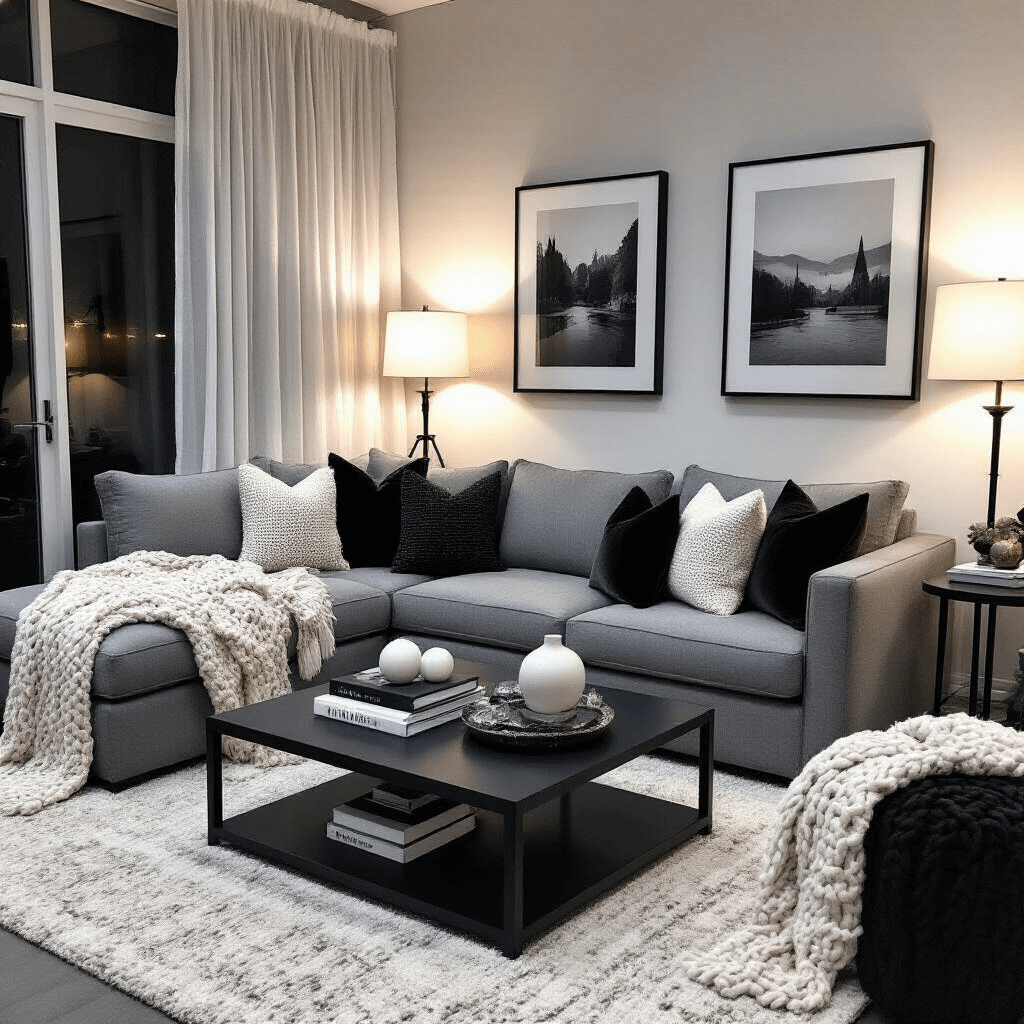

How to Bring the House of Balloons Aesthetic Into Your Home (Without Looking Like You Raided a Record Store)
How to Bring the House of Balloons Aesthetic Into Your Home
Contents
House of Balloons aesthetic hit me like a ton of bricks back in 2011, and honestly, I haven’t been able to shake it since.
You know that feeling when you see something so effortlessly cool that you immediately want your entire living space to look like it?
That’s what happened the first time I saw The Weeknd’s debut mixtape cover.
The stark black-and-white photography, the clean lines, that minimalist vibe that somehow feels both empty and full at the same time.
I spent the better part of three months trying to recreate that moody, monochromatic magic in my apartment, and let me tell you—I made every mistake in the book.
But I also figured out what actually works.
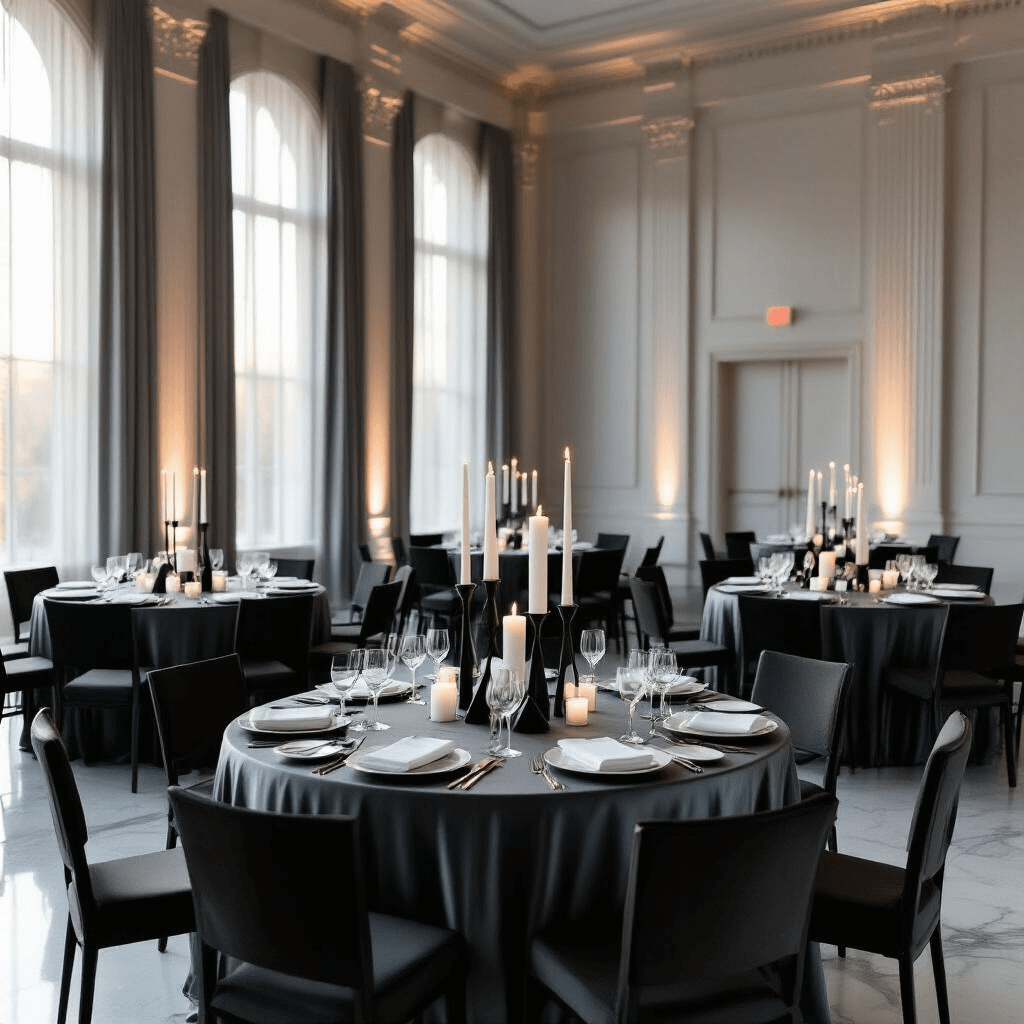
What Makes This Aesthetic So Damn Compelling?
The House of Balloons look isn’t about throwing random black and white stuff together and calling it a day. It’s about restraint. It’s about knowing when to stop adding things.
I learned this the hard way after buying my seventh black and white throw pillow and realizing my couch looked like a checkerboard exploded.
The core principles that actually matter:
- Monochromatic doesn’t mean boring – it means intentional
- Typography as art – words become visual elements, not just text
- Negative space is your best friend – don’t fill every corner
- Grainy, soft photography over crisp perfection – think Polaroid, not iPhone
- No pure black – use charcoals, grays, and off-blacks instead
The beauty is in what you don’t include.
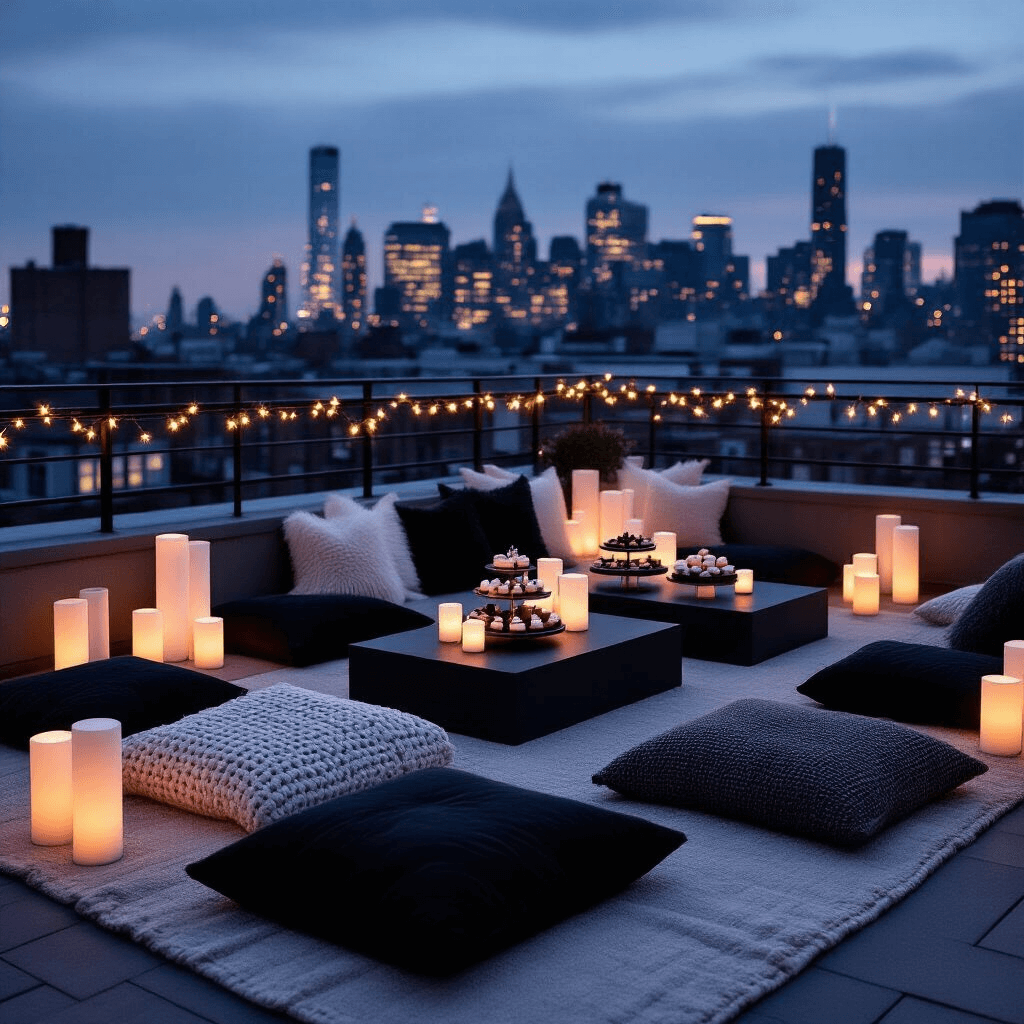
Starting With Your Walls (Because That’s Where Everyone Looks First)
Your walls set the entire mood.
I painted my living room what I thought was “white” but was actually “eggshell cream” and wondered why nothing looked right for weeks.
Here’s what you need to know:
Choose true whites or soft grays for your base. Not cream, not beige, not “warm white.” Cool-toned neutrals only. I swear by Benjamin Moore’s “Chantilly Lace” or Sherwin Williams’ “Extra White.”
Then comes the fun part—the wall art.
Your wall art should include:
- Large-scale black and white photography (the grainier, the better)
- Minimalist typography prints with bold Helvetica-style fonts
- Abstract monochromatic pieces with texture
- Nothing with color (obviously, but you’d be surprised how many people cheat here)
I found this incredible large black and white canvas print of an urban cityscape that became the anchor piece in my space. The soft grain quality mimics that Polaroid camera effect perfectly.
Pro tip: Avoid symmetrical arrangements. The House of Balloons cover has that three-tier layout that feels balanced but not rigid. Your walls should do the same.
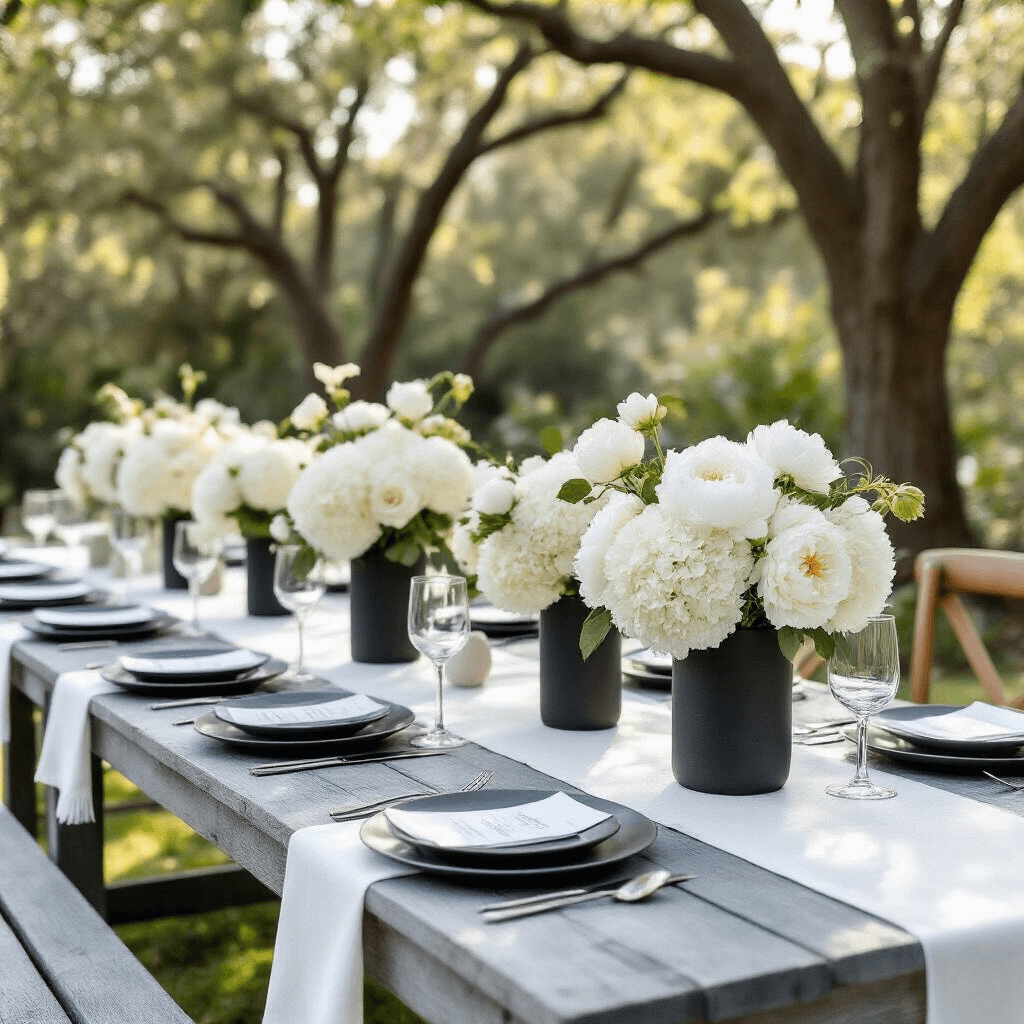
Furniture That Doesn’t Scream “I’m Trying Too Hard”
I once bought an all-black leather couch thinking it would nail the aesthetic. It looked like a funeral home.
The trick is mixing textures and shades within your monochromatic palette.
Furniture guidelines that saved my sanity:
- Mix matte blacks with glossy charcoals
- Add gray-toned wood (not brown-toned)
- Choose clean-lined pieces without ornate details
- Incorporate metal accents in gunmetal or brushed steel
A modern gray sectional sofa became my starting point. Not pure white (too clinical), not black (too heavy), but that perfect middle gray that anchors everything else.
Layer in a black coffee table with clean lines and suddenly you’ve got contrast without chaos.
Avoid these furniture mistakes:
- Anything with visible logos or branding
- Overly distressed or “rustic” pieces
- Furniture with warm wood tones
- Pieces with too many curves (straight lines win here)
The aesthetic is about that typography-driven simplicity. Your furniture should feel like punctuation marks in a sentence, not exclamation points.
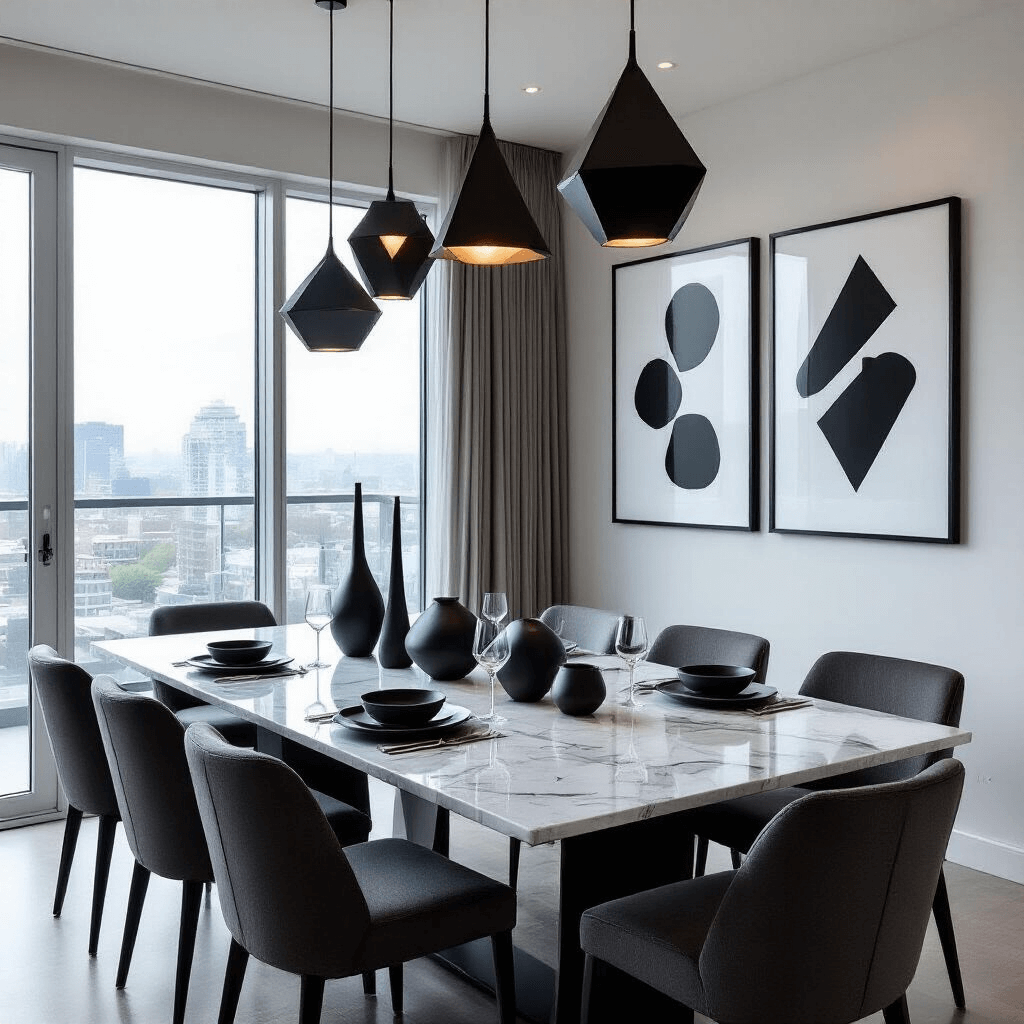
Lighting Makes or Breaks This Whole Thing
I ignored lighting for my first attempt. Big mistake. Massive.
You can have perfect furniture and wall colors, but bad lighting will make everything look like a sad office building.
The lighting strategy that works:
Soft, diffused light sources at multiple heights. No harsh overhead fluorescents. No single central ceiling light doing all the work.
I installed dimmer switches on everything first. Game changer.
Being able to control your light intensity lets you shift from crisp minimalism during the day to that moody, grainy quality at night.
Layer your lighting like this:
- Floor lamps with fabric shades in corners
- Table lamps with cylindrical or geometric bases
- LED strip lighting behind furniture for subtle backlighting
- Window treatments that filter rather than block light
Natural light is your secret weapon. Those soft, grainy qualities in the original album aesthetic? That’s what happens when natural light filters through sheer curtains onto monochromatic surfaces.
Skip heavy blackout curtains. Go for sheer white or gray panels that soften daylight without eliminating it.